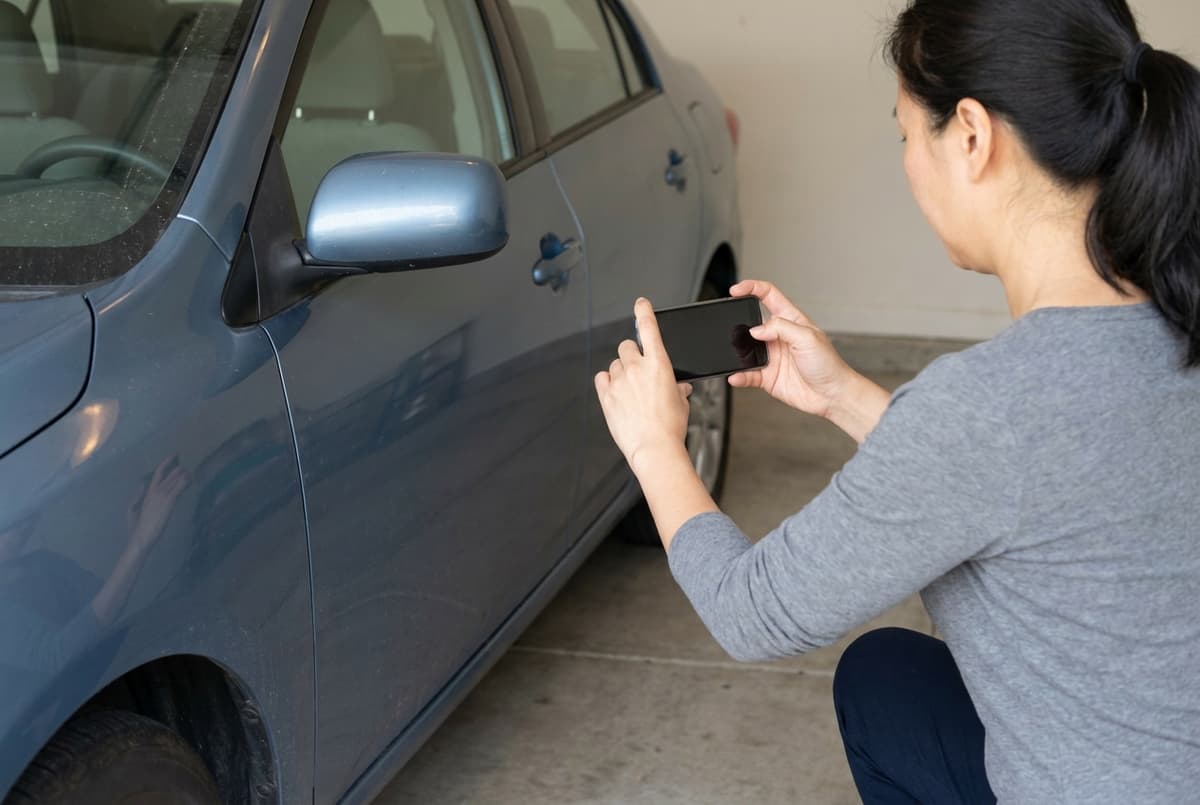
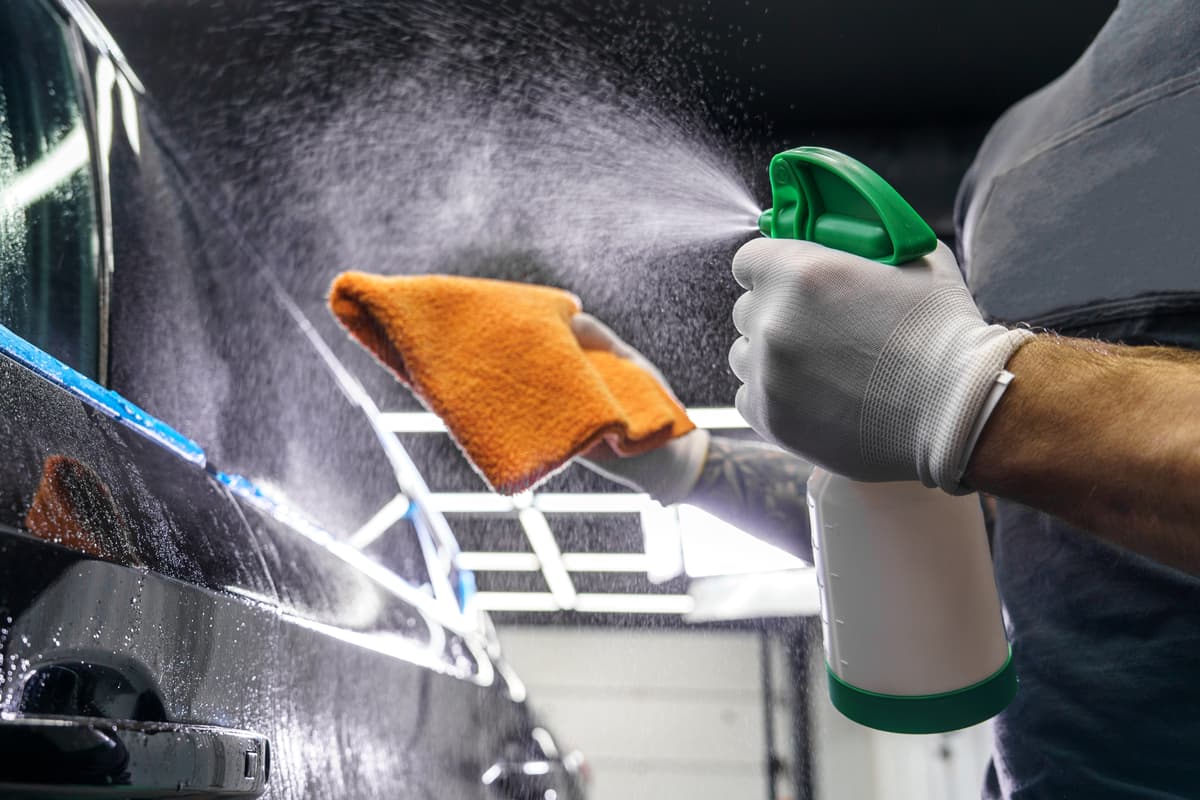
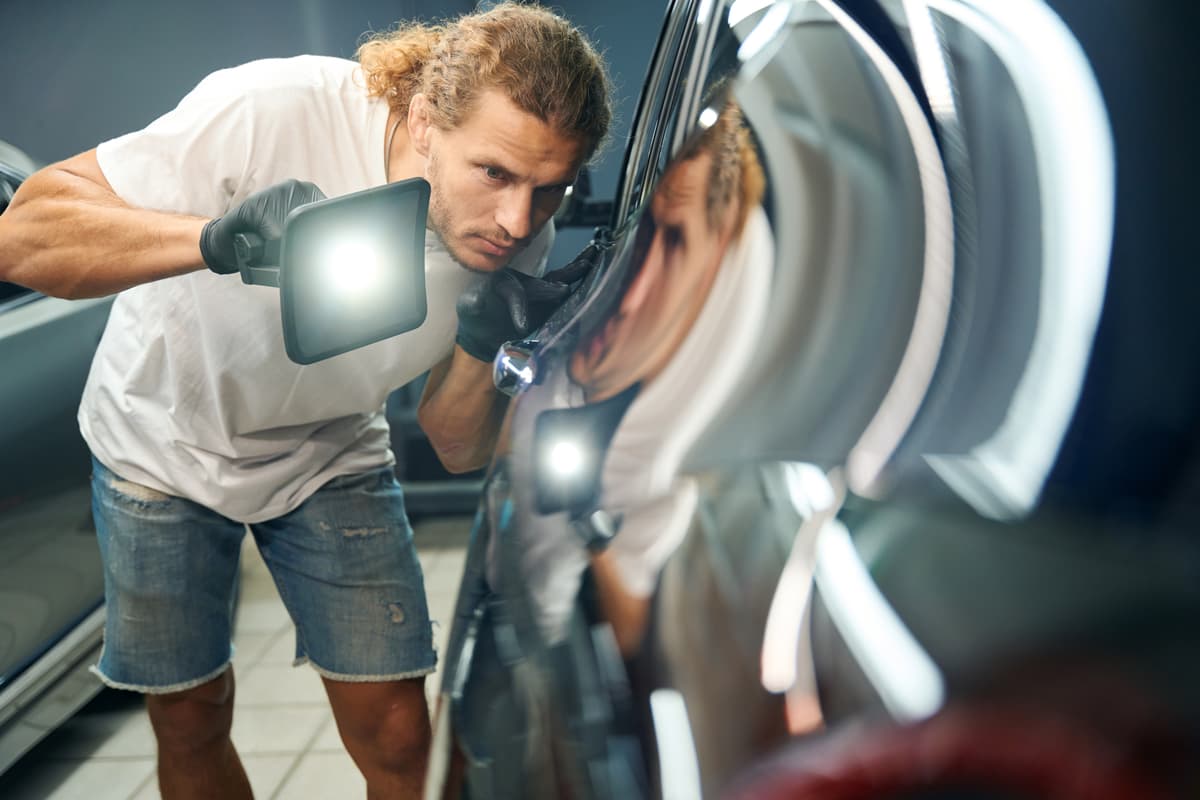
Clay and polishing do different jobs. Clay removes surface contamination that a normal wash hasn’t shifted. Abrasive polishing works on the finish itself to improve defects that are worth pursuing. Paint that feels rough doesn’t tell you which one you need, what’s actually on the surface, or whether the surface can handle the proposed work.
Start with what you know: which panels are affected, what finish or protection the car has, and what care it’s already had. If the surface is intact, needs a wash and its instructions allow one, a compatible normal wash may be enough. If the roughness is still there afterward, more washing, then clay, then polishing isn’t an automatic sequence.
If there’s fresh contamination, follow the finish or protection maker’s approved care promptly, and ask the installer or manufacturer right away if you’re not sure what’s appropriate. If something is lifting, flaking, damaged or unidentified, get handling advice before you rub or wash it to investigate.
Start with care, not a tool
Fresh contamination
Follow approved care promptly. Ask immediately if unsure.
Lifting, damaged or unidentified material
Get handling guidance before washing or rubbing to investigate.
Intact surface; routine care is allowed and needed
Use compatible normal care. Roughness alone does not justify clay or polish.
Already washed, or concern persists or changes
Record care already tried. Ask for assessment before stronger or repeated treatment.
Four different jobs, not four required steps
“Decontamination” just means dealing with unwanted material on a surface. This table compares purposes; it isn’t a treatment order.
Scroll to see all columns.
| Operation | What it’s for | What it doesn’t prove |
|---|---|---|
| Compatible normal washing | Removing routine dirt with the surface’s approved care. | That every remaining spot or rough area needs stronger treatment. |
| Targeted chemical decontamination | Using a product made for the specific contaminant. | That one chemical treats every deposit, or that a reaction identifies every mark. |
| Clay (mechanical decontamination) | Removing bonded surface contamination that washing hasn’t shifted. | That paint defects were corrected, or that existing protection is unchanged. |
| Abrasive polishing | Working on the finish to improve defects worth pursuing. | That missing paint is replaced, that every scratch disappears or that more abrasion is always the right call. |
On the chemical side, GYEON describes Iron REDEFINED as targeting ferrous deposits, including brake and rail dust. That specific purpose is the point: a rough patch doesn’t announce itself as iron.
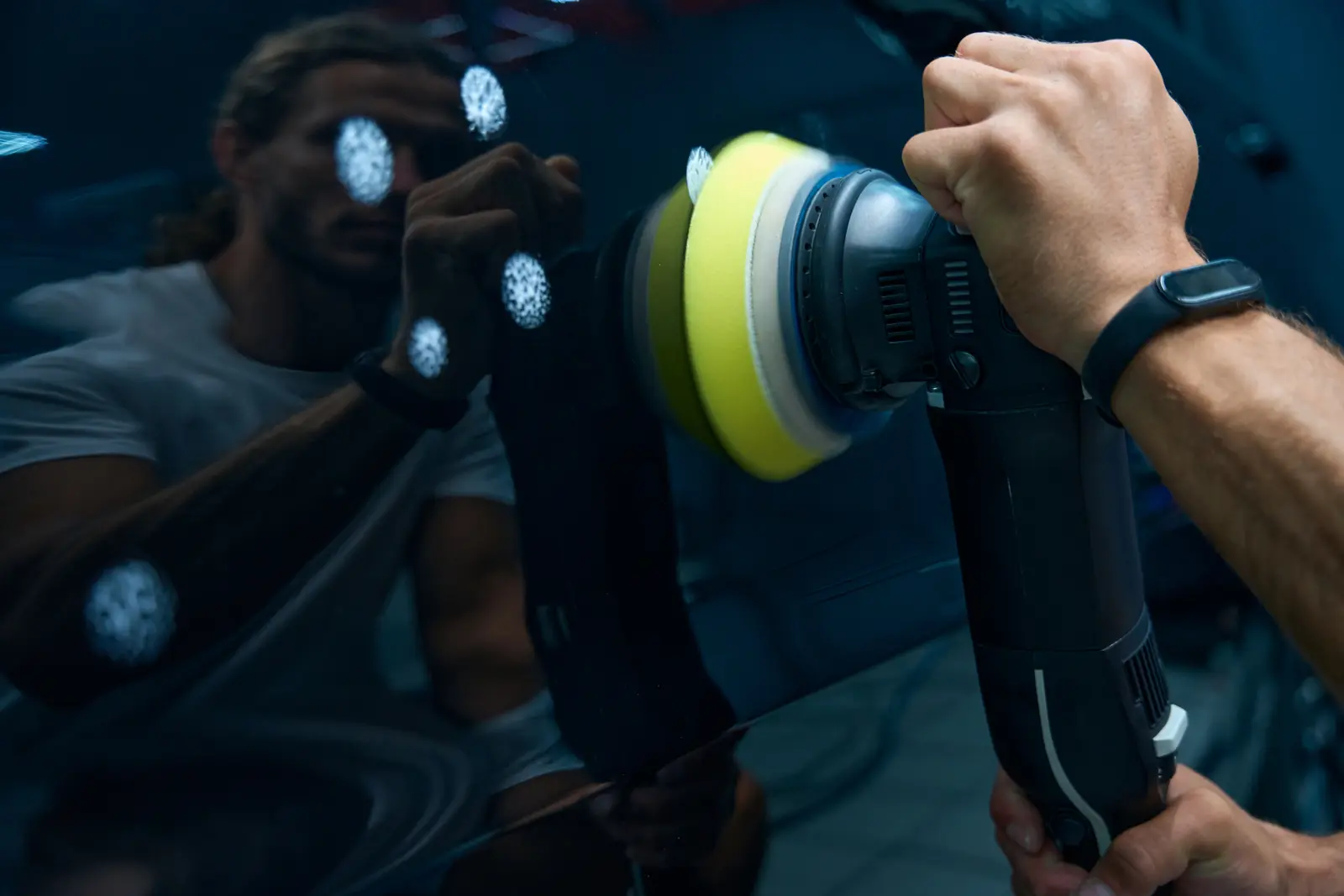
On the abrasive side, RUPES UNO PURE is described as an ultra-fine abrasive polish for extremely fine defects and finishing, and its instructions call for proper decontamination before polishing. Our guide to what polishing can actually improve explains the difference between cleaning, filling and correcting defects.
What clay can and can’t do
GYEON’s clay guidance and Meguiar’s UK FAQ both describe clay as removing contamination that washing leaves behind. Paint feeling smoother afterward isn’t the same as a scratch being corrected.
Which clay is used, and how, matters too. GYEON specifically warns that its Clay Coarse may cause light marring (fine, unwanted marks) and recommends using that version before correction.
Ask why clay is being proposed for your car and what risk or follow-up work it might bring. If a mark remains or the appearance changes after an attempt, mention that before anyone tries something more aggressive.
Know what surface you’re treating
A glossy painted panel, a matte finish, an applied coating and paint protection film don’t automatically share the same care rules. Give the provider any product names you know and the repair history. If there’s a coating over film, mention both.
A few manufacturer examples show why:
- Matte paint: PPG’s owner guidance says polishing must be avoided because it produces higher, uneven gloss (PPG matte-finish care, page 5).
- Film vs. coating: XPEL allows detailing clay for contaminants on its ULTIMATE PLUS and ULTIMATE FUSION films. Its separate FUSION PLUS ceramic-coating section warns against aggressive products for polishing or contamination removal and directs questions to the installer (XPEL’s product-specific care).
- Dealer-applied protection: Meguiar’s UK FAQ advises avoiding clay on the dealer protection systems it discusses, because clay is described as removing them (Meguiar’s protection advice).
The useful question is what a proposed treatment is expected to remove or change, including any existing protection. If changed beading is your main concern, see our guide to when a coating stops beading.
Not knowing the history is fine; say so rather than guessing a product name. A newly bought car isn’t automatically bare paint either; our guide to prepping a new car for coating covers that separate decision.
What Las Vegas dust changes, and what it doesn’t
The National Weather Service describes winds that bring blowing dust and sand to the valley, so recent exposure is worth mentioning. But it doesn’t tell you what a particular rough patch is, and it doesn’t put you on a fixed clay schedule.
Two hypothetical situations:
The car is dusty and hasn’t had needed routine care yet. Follow the surface’s compatible care directions. Skip the dry rub or bag test just to get a verdict on roughness, and don’t buy a clay-and-polish package based on the weather alone.
The car has had a proper wash, but the concern remains. Note which panels are affected, what you used and what you noticed afterward. You don’t need another wash before asking for an assessment. If clay or another treatment has already been tried, mention that too.
GYEON’s iron-remover FAQ says use depends on the level of contamination, which points to a condition-based decision rather than a standard annual or monthly decontamination appointment.
Ask exactly what the treatment is for
Bring a short note covering the concern, the known finish and protection, and any products or work already tried. Mark missing details “unknown.” Then ask:
- What is this treatment meant to remove or change, and why does the assessment support it?
- Which areas are included, what may remain, and what’s expected to happen to existing protection?
- Is any abrasive correction justified? If so, what are the limits, the aftercare and the current price for the agreed scope?
Bring the facts. Agree the scope.
The answer might be compatible cleaning, a specific decontamination method, suitable correction, separate advice about the material, or no extra treatment at all. If correction is proposed, our guide to one-step vs. multi-stage correction quotes explains how to compare them.
ZNT’s Paint Correction description includes decontamination and clay, but that doesn’t mean your car needs the full correction service.
Tell ZNT about your vehicle, the affected panels, known protection, care already tried and location, and ask for a recommendation and current quote for the actual concern before choosing a treatment by name.