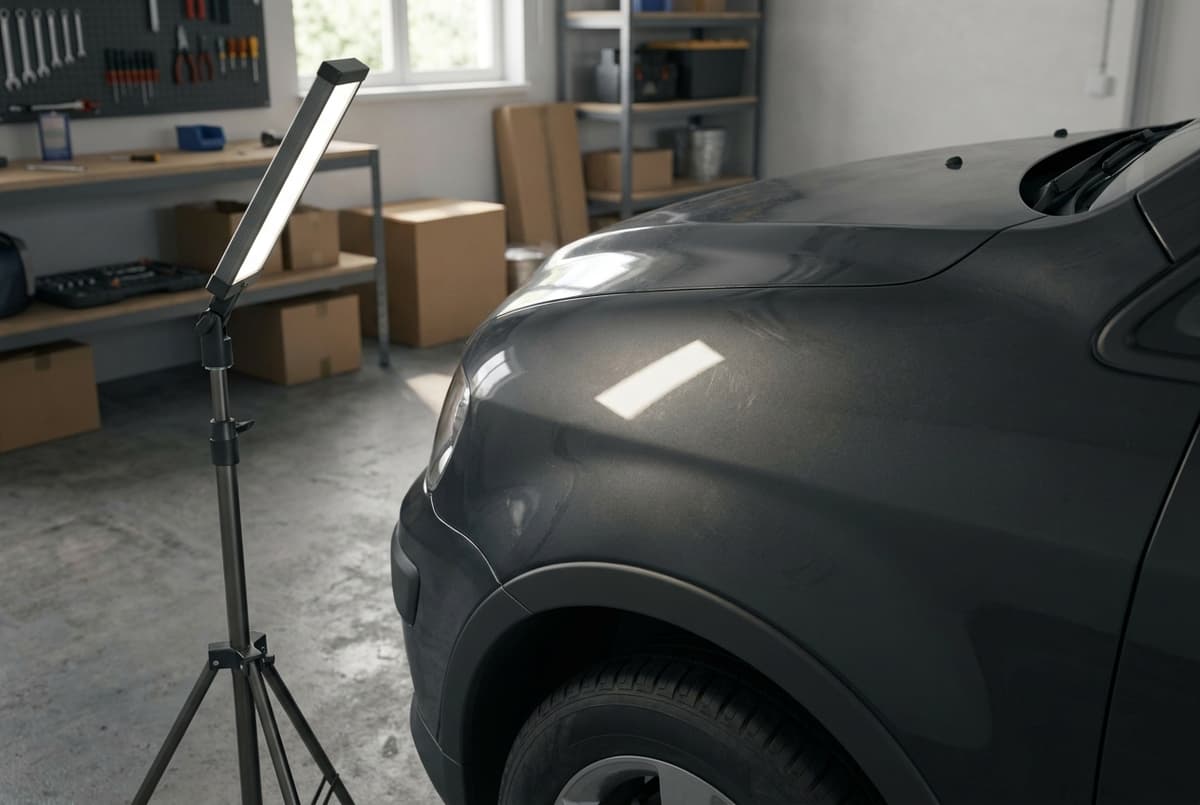
Yes, a new car still needs preparation before it’s coated, but that doesn’t automatically mean abrasive paint correction. The right prep depends on the car’s finish and the coating being applied. Before agreeing to any work, it helps to separate three questions: Is the surface ready for coating? What prep does this particular product require? And do you want extra work to improve how the paint looks?
For example, Gtechniq’s UK Crystal Serum Light application instructions require washing and decontamination but treat polishing as conditional. So for that product, polishing is a decision made after inspecting the paint, not a given.
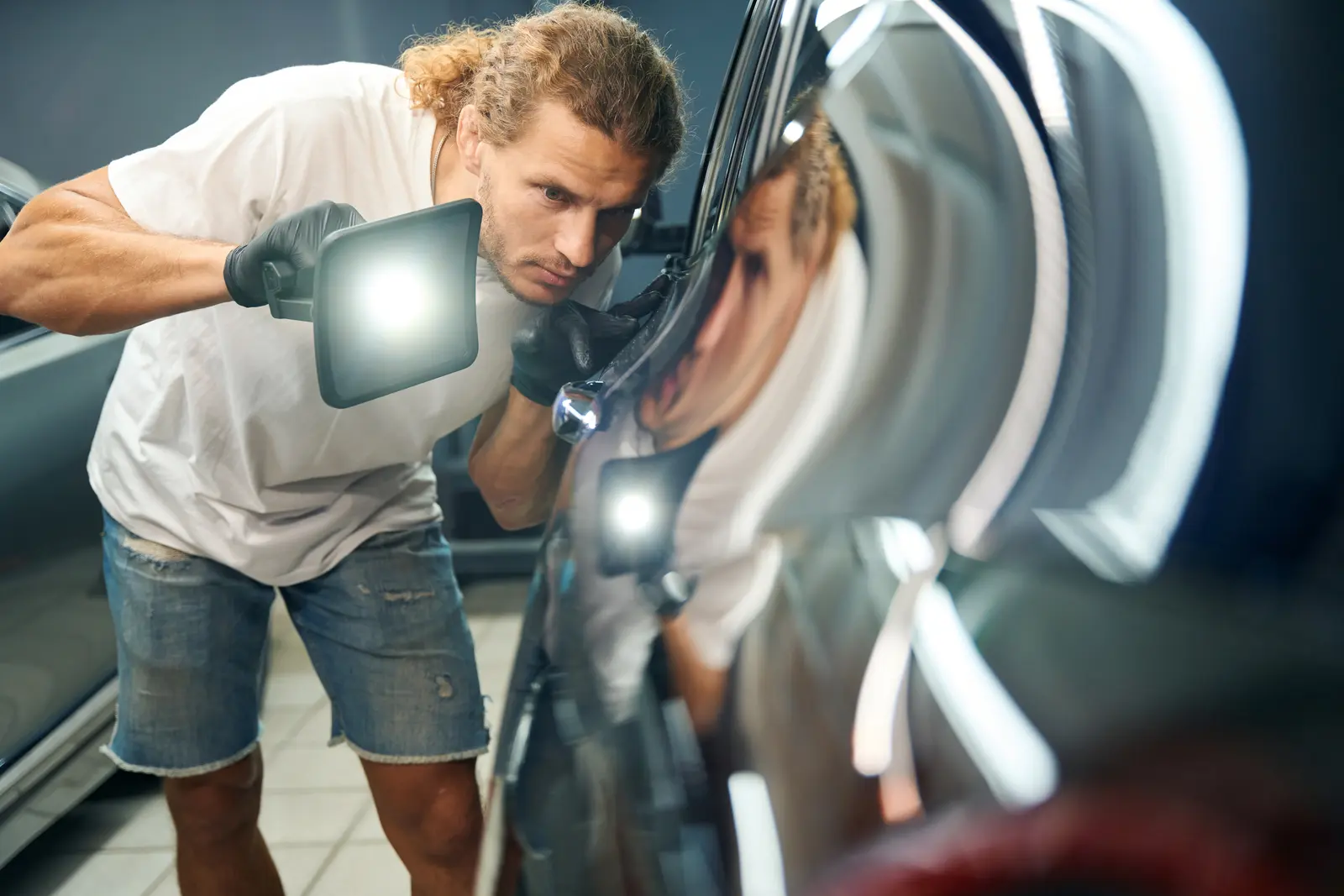
Getting the paint ready isn’t the same as making it look better
“New” tells the detailer something about your purchase. It doesn’t tell them every material on the exterior, what prep has already been done, or what you’d be happy with. A useful conversation starts there, not with the name of a correction package.
Scroll to see all columns.
| Question | What you need to find out | What the answer won’t tell you |
|---|---|---|
| Is the surface ready? | The actual finish, known repairs and existing protection, plus the relevant care and coating instructions. | That every panel can get the same treatment. |
| What prep does the coating require? | The chosen coating’s requirements for the surface being treated. | That you can skip required prep because you’re OK with a few visible marks. |
| Is cosmetic improvement worth it? | What bothers you, what improvement makes sense and what may remain. | That buying more polishing guarantees a mark-free result. |
If the paint already looks good to you, say so. You can ask for a coating assessment without asking for the most correction possible. If you’re still deciding whether to coat the car at all, start with our guide to whether ceramic coating is worth it.
Preparation has more than one route
Clarify first
A finish, repair or restriction question is still open. Get answers before agreeing to treatment.
Prepare
You like the look, and the finish and coating do not call for correction. Complete all required preparation.
Prepare and improve
A specific cosmetic goal and assessment support correction. Agree on prep, improvement and what may remain.
Tell the detailer what you know about the finish
Give the make, model and delivery date, and be clear about what you know versus what you suspect. Helpful details include:
- Whether the finish is gloss, matte or something else, and any film or wrap you know about.
- Any dealer-applied protection, with its product information if you have it.
- Known paint repairs, touch-ups or panel work, plus any instructions that came with that work.
- The areas you want looked at and what you’d like to look different.
Ask whether any dealer-applied protection affects the proposed coating or its prep. If you don’t know what product was used, say so. Don’t assume the car needs a particular stripping, clay or polishing step just because the dealer applied something.
The finish itself can change the plan. PPG’s matte-finish owner guidance, for example, says polishing must be avoided because it produces higher, uneven gloss (PPG matte-finish care, page 5). So identify the actual surface before anyone talks about gloss-boosting correction.
If a panel has been repaired, ask for guidance that fits that repair and the proposed coating, rather than relying on a generic number of days after repainting. Missing paperwork doesn’t end the conversation.
Agree on what the prep includes
Ask the provider to explain the prep the coating requires separately from any appearance improvement they suggest, and how each one shows up in the quote. Service names alone won’t tell you whether a given step is included, optional or charged separately.
There are three reasonable outcomes:
Prep without a polishing stage. This can fit when you’re happy with how the paint looks and the finish and coating requirements allow it. All the required prep still happens.
Prep plus an agreed cosmetic improvement. This can fit when there’s a specific concern and an assessment supports correcting it. Agree on which areas are included, what improvement you’re after and which marks you’re OK with remaining.
Clear up questions before any treatment. An open question about the finish, a repair or existing protection may need an answer before anyone commits to a process. The fix is to settle that question, not to buy a bigger correction package in place of an assessment.
A useful way to ask: “Please tell me what prep this coating requires, any extra correction you’d recommend and why, what may remain, and what would change the quote.” To compare one-step and multi-stage proposals in more detail, see our paint correction quote guide.
Plan where the coating goes on, and where the car waits after
Where the coating is applied is part of the prep, and manufacturer rules differ. The Crystal Serum Light instructions specify indoor application and indoor storage at first. GYEON Mohs EVO guidance allows outdoor application with restrictions, including avoiding direct sunlight and early water exposure, and it requires a cool, dust-free surface.
In Las Vegas, this deserves a real conversation. The National Weather Service describes hot, sunny summers and winds that can bring blowing dust and sand (NWS Las Vegas climate summary). That makes the actual work space and where the car stays afterward important.
Tell the provider where you’d like the work done and where the car can stay afterward. Ask whether that setup meets the chosen product’s requirements, what needs checking on the day, and what happens if conditions aren’t right. For the bigger choice between mobile service and a shop, see our mobile-versus-shop guide.
Know when you need the car back before picking a date
Before you book, figure out when you next have to drive the car. If you must leave for work the next morning, for example, say so before agreeing to an appointment, and ask whether the installation and storage plan can work around it.
Keep a short planning note: the exact coating, the agreed prep and cosmetic goal, where the work happens, where the car will be stored, when you next need it, and who will give you written care instructions. Ask who to contact if plans or conditions change.
Our first-days aftercare guide covers product-specific restrictions, unexpected exposure and the first wash. Get those instructions for your actual installation before you take the car back.
Before choosing a coating date
Ask ZNT for a preparation recommendation
ZNT lists Ceramic Coating and Paint Correction as separate services (ZNT service overview). Its terms of service also say that results depend on the vehicle’s condition and previous maintenance, and that correction can’t fix every imperfection or damage.
Tell ZNT about the new car, any known finish or dealer protection, repair history, the look you want, your location and when you next need the car. Request a preparation recommendation and current quote, and ask what the chosen coating requires and what extra work, if any, an assessment supports.