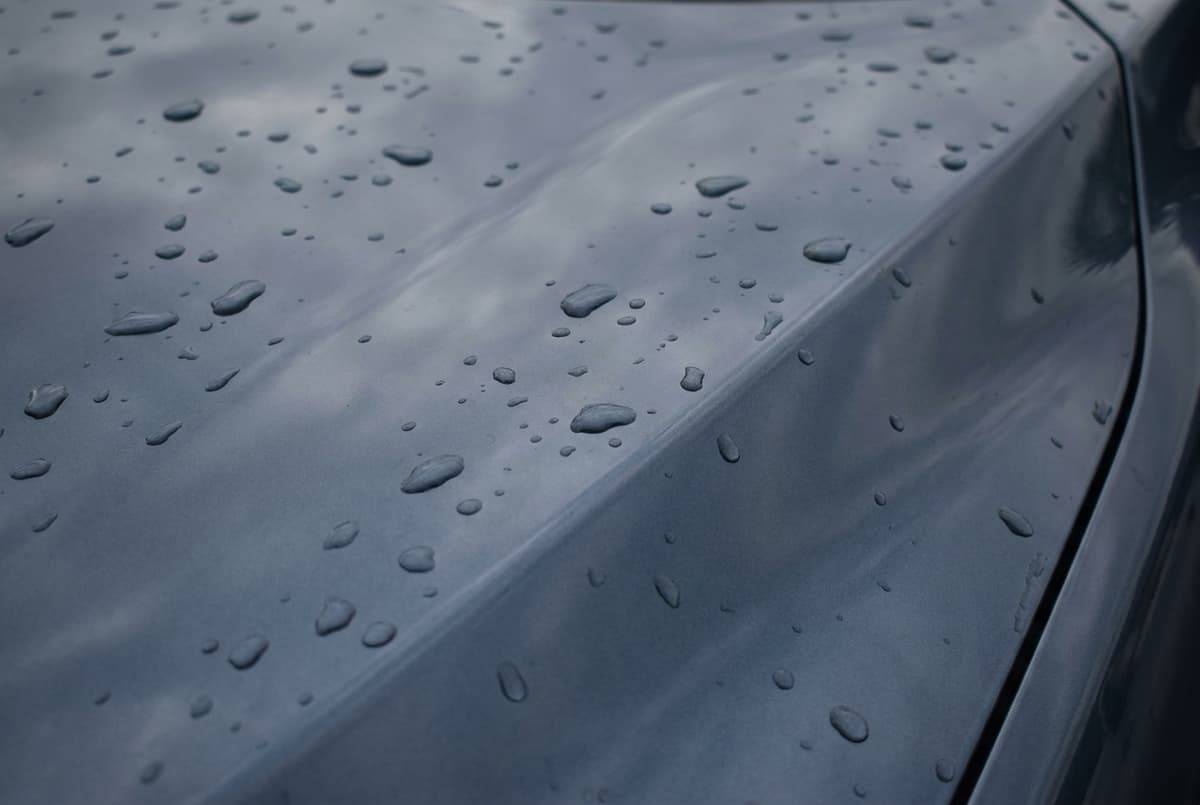
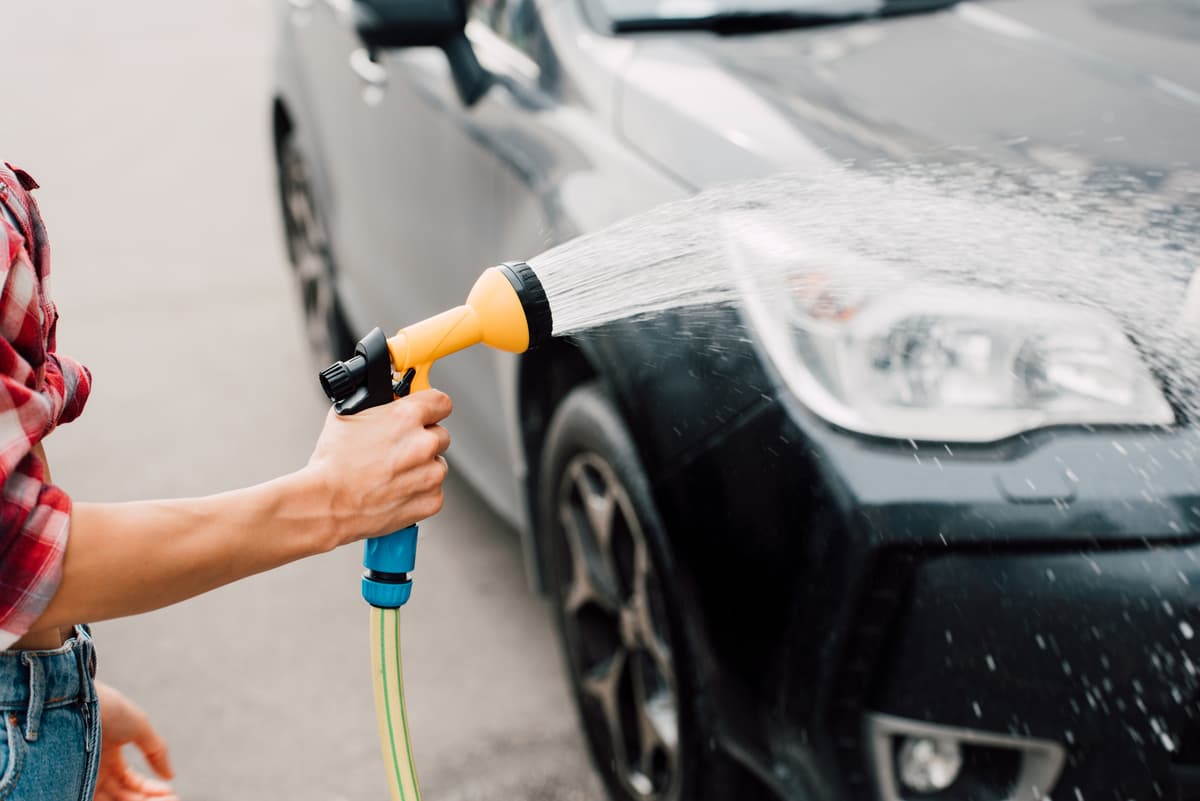
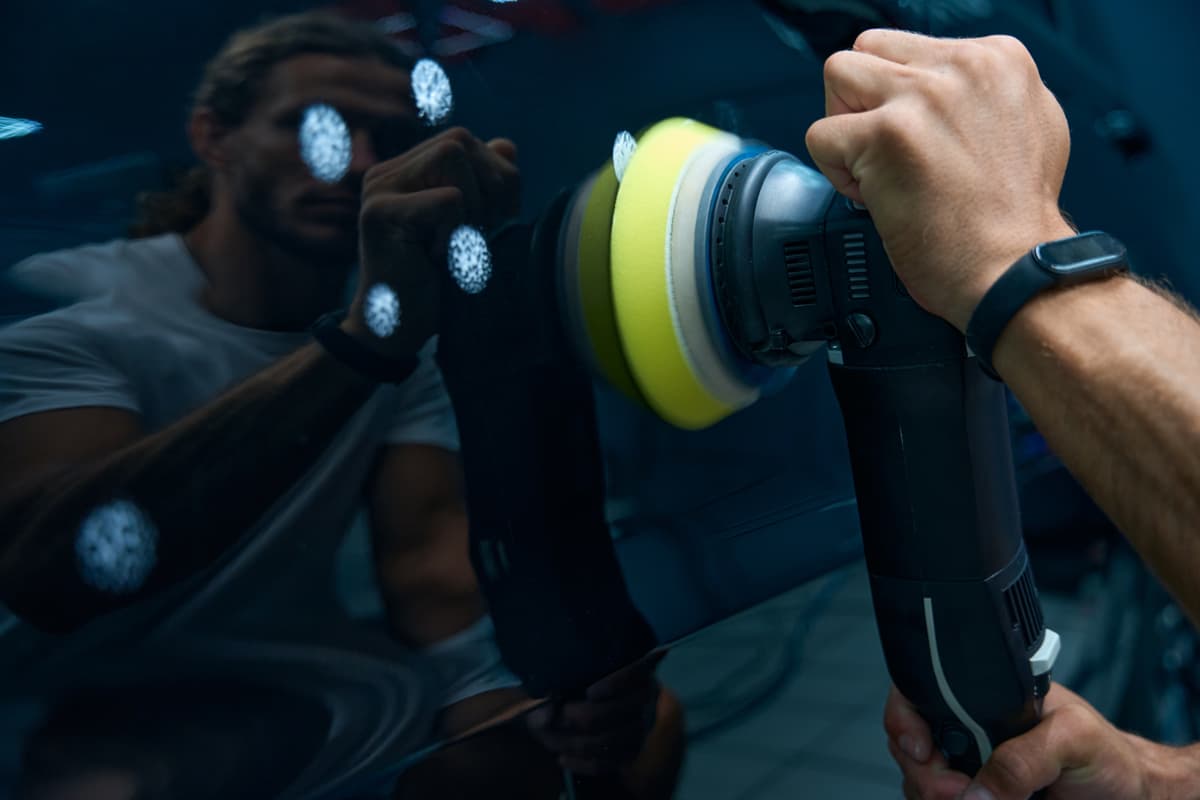
Water sheeting where it used to bead is worth looking into, but it doesn’t mean your ceramic coating has failed. Surface contamination and a worn water-repellent layer are both possibilities, as Gtechniq’s coating FAQ discusses.
First, take care of anything that can’t wait. If there’s fresh contamination on the paint, deal with it promptly the way your coating’s instructions say, or ask the installer or manufacturer what’s safe to use. If the coating is recent, check what’s allowed in the first days before washing or trying anything; our first-days aftercare guide covers that.
Otherwise, start simple: note what changed and think back over the car’s products and care. If it needs a wash and washing is allowed, a normal wash may be the right next step. If the beading still looks off after a proper wash, washing it again and again or reaching for stronger products isn’t the automatic answer.
Changed beading: choose the next step
Fresh contamination
Use approved care promptly or ask the installer or maker. Do not wait for records or photos.
Recently installed protection
Check early-care instructions before washing or experimenting.
A wash is needed and allowed
Use approved routine care. A wash alone does not prove the coating is intact.
Already washed, or history is uncertain
Record what you saw and ask about assessment before another wash, topper or stronger product.
Describe what you saw before guessing the cause
“The hood held a broad sheet of water after the last wash, but the doors still had small drops” is useful information. “The coating is dead” isn’t.
Note which panels changed, when you first noticed, and whether it followed a wash, rain, sprinklers or another product. Were you comparing the same area, or a different panel? Was there still shampoo on the surface?
Photos or a short video you already have can help, but don’t leave water or product sitting on a panel just to get a better photo. XPEL’s FUSION PLUS care instructions specifically warn against letting tap water evaporate on the coating and against aggressive wiping.
There’s more than one possible explanation
Sometimes the coating is fine and just dirty. GYEON notes that contamination can keep a coating from beading the way it should (RestartWash guidance). That’s a good reason not to write the coating off yet.
The opposite can be true too. Gtechniq’s FAQ also discusses the possibility that the water-repellent layer is no longer there. That’s one more reason to find out exactly which coating is on your car. Keep three things separate: what you saw, what might explain it, and what a proper assessment actually finds.
Has anything been added on top?
Ask what went on the car at the last wash or detail. Besides shampoo, it might have been a wax, drying aid, detail spray, sealant or coating booster. Get exact product names if you can; “ceramic spray” doesn’t tell anyone much.
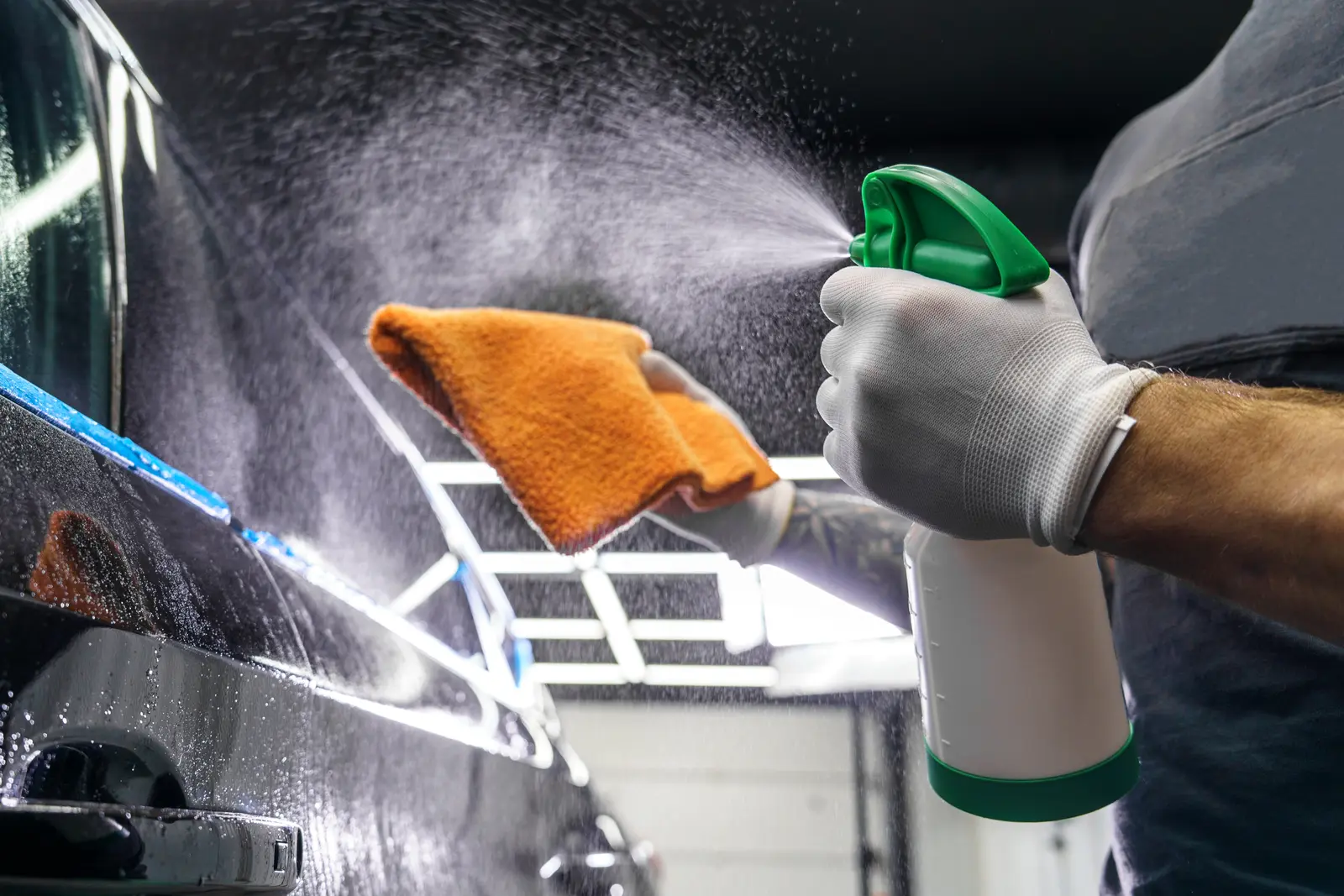
This matters because some of these products add water repellency of their own. GYEON, for example, describes WetCoat as adding water repellency on coated and uncoated cars. So beads that appear after a product like that don’t tell you much about the coating underneath. Tell the installer about any topper you’ve already used, and ask whether a proposed maintenance treatment would change what they’re trying to assess.
Las Vegas water and dust: worth mentioning
Local conditions add a few questions. The Las Vegas Valley Water District names calcium and magnesium as contributors to local water hardness, and the National Weather Service’s Las Vegas climate summary describes windblown dust. So think back: Did sprinkler water reach the car? Did wash water dry on it? Was there a dusty stretch before you noticed the change? Share what you know; a ring or haze in a photo can’t tell anyone what the substance is or how deep a mark goes.
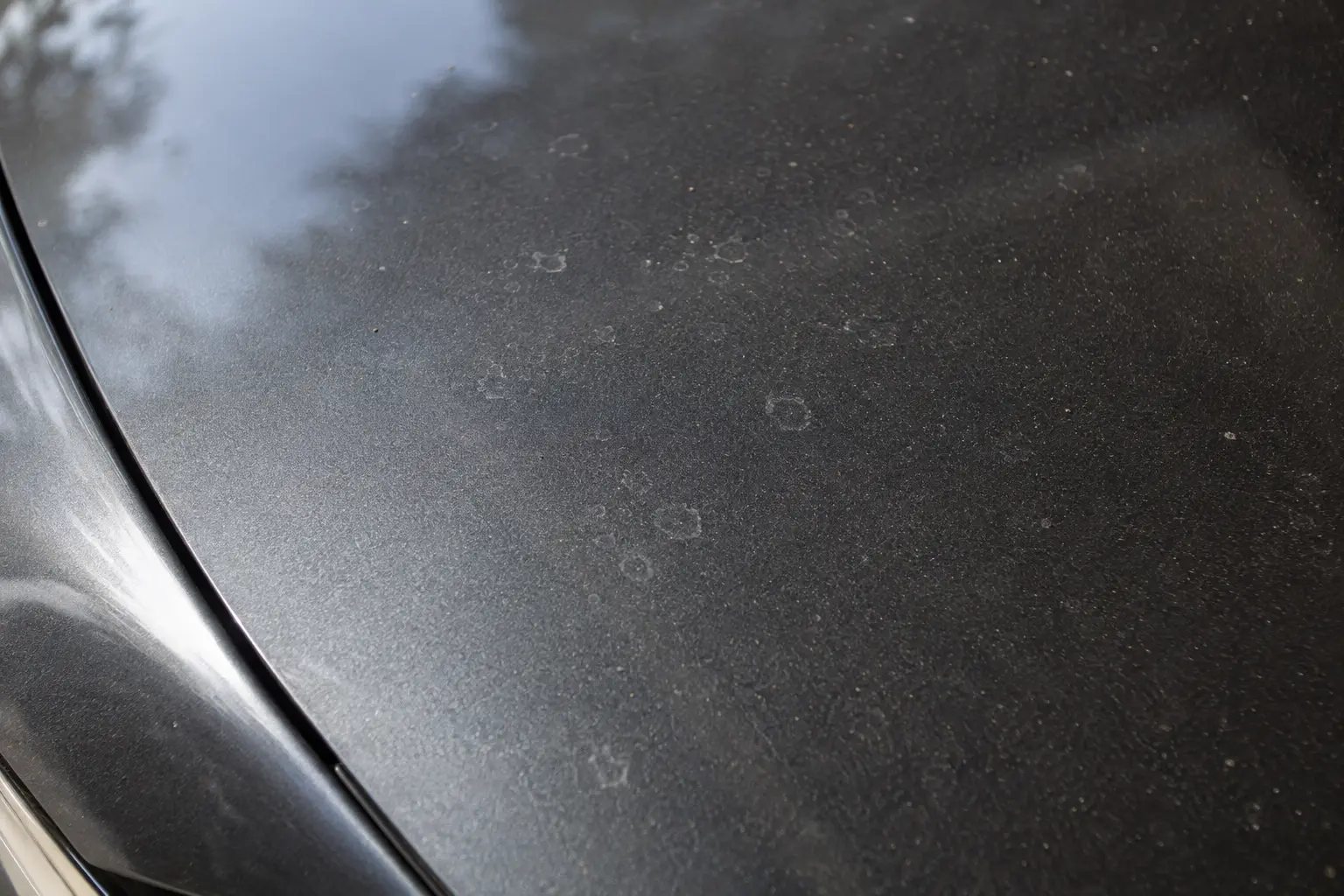
Pick the next step from what’s already been done
If the car is simply dirty and routine washing is allowed, follow your coating’s approved maintenance directions. Our guide to washing a coated car walks through that.
If you’ve already done a compatible wash and the beading still bothers you, there’s no need to keep rewashing. Ask the installer or manufacturer what kind of assessment makes sense for your product and surface. If you don’t know the product, say so.
Don’t treat acid cleaners, iron removers, clay and polishing as a standard routine for chasing beads. XPEL’s coating-care section points owners with contamination questions to their authorized installer and warns against aggressive products.
If the paint feels rough, that’s a separate decision, and our guide to decontamination, clay and polishing explains the options. A change in beading on its own isn’t a reason to jump to paint correction.
Make it easy for the installer to help
Gather what you have, and mark anything missing as “unknown” rather than guessing. A useful record includes:
- The coating name, application date and surfaces covered, if you know them.
- Which panels changed, when it started and any relevant exposure.
- Recent wash products, toppers and maintenance visits.
- Any cleaning or other treatment you’ve already tried, and what changed afterward.
- Photos you already have, plus the invoice and any care or warranty documents.
Then ask what the proposed assessment can tell you, what care is fine in the meantime, and whether the next step is cleaning, maintenance or a closer look. Before you approve a visit or treatment, confirm what it includes and what it costs.
Bring the history you have
Read your actual warranty before expecting a fix
A warranty’s length doesn’t answer every maintenance question. For example, XPEL’s FUSION PLUS PREMIUM v2 warranty, revision R1224 excludes water spots and calls for inspection records. Read the version that applies to your coating: what’s covered, what’s excluded, what maintenance is required and how to file a claim.
Keep the original installer’s or manufacturer’s claim route open. ZNT’s published terms tie any specific service warranty to the express written warranty provided, so don’t assume a free restoration visit or a guaranteed fix.
To ask about a suitable service, contact ZNT with your vehicle, location, what you know about the existing coating and the change you noticed. If the conversation turns to buying new or replacement protection, our ceramic coating value guide covers that decision.