Before you pick up a freshly coated car, get written instructions covering three things: when you can drive it, how to protect it from early exposure, and when and how to do the first wash. Those are separate questions. A pickup time, or being told the coating has “hardened,” doesn’t answer all of them.
Also find out what to do if rain, sprinkler water, bird droppings or something else lands on the paint. Not being allowed to wash the car yet doesn’t necessarily mean leaving contamination alone. Follow your coating’s early-care directions promptly, and if they’re missing or unclear, get guidance from the installer or manufacturer right away.
Write down each milestone, not one countdown
Ask for the exact coating system and the instructions for the surfaces that were treated. Then note these separately:
Scroll to see all columns.
| Milestone | What the written instructions should tell you |
|---|---|
| Pickup and driving | When you can collect or drive the car, and what restrictions still apply afterward. |
| Early exposure protection | What water or other exposure to avoid, for how long and under what conditions. |
| First routine wash | When washing is allowed, and which method and products to use. |
| Full cure, if the maker defines one | What the manufacturer means by it, and whether it changes any remaining restrictions. |
For each restriction, find out when the clock starts. Is it from application, the end of a particular step, or when you picked up the car? If the instructions don’t say, ask.
System X’s current aftercare page shows why this matters. It describes roughly two to three days to reach full strength, depending on environmental conditions, but separately says not to wash during the first two weeks, without saying whether that counts from application or delivery (System X aftercare).
Ceramic Pro’s current guidance, by contrast, explicitly ties its minimum no-wash period to delivery (Ceramic Pro aftercare). Don’t blend different manufacturers’ numbers into your own timetable.
Record each coating care milestone
For appointment timing in general, see our guide to how long detailing takes. Prepping the paint before installation is covered in our new-car preparation guide.
Plan your parking around the restrictions
Think about where the car will sit at home, at work and in between. If you can’t give it the required protection at one of those places, sort that out before pickup. Ask what arrangements will work; don’t assume the provider offers storage or that any covered space meets every requirement.
Las Vegas adds a few things to plan for. The National Weather Service describes hot, sunny summers, windblown dust during strong winds, and monsoon thunderstorms (NWS Las Vegas climate summary). Check the forecast and your actual parking when you plan the drive home and the first few days. Local heat isn’t a reason to shorten the product’s restrictions.
Don’t forget sprinklers. The Water District identifies calcium and magnesium as the minerals behind local hard water, and XPEL’s coating-care guidance explains that evaporating tap water can leave mineral deposits on a coating (LVVWD hard-water information, XPEL ceramic-coating care). So irrigation is worth planning around.
A roof can be useful shelter. Talk through the space and likely exposure with the provider, using the written directions as your guide.

If water or residue lands on the car early
Follow the early-response instructions you were given. Don’t hold off on approved care to take photos or write up what happened.
Routine washing and spot care really are different things. Ceramic Pro’s early-care guidance includes a specific spot-cleaning method for contamination alongside its no-wash rule, and it directs owners to their installer for guidance (Ceramic Pro early-care instructions).
Work through it in this order:
- Follow the early-care response promptly. Within what your instructions allow for using the car, limit further exposure where you can.
- Get guidance quickly if you’re unsure what to do. Contact the installer or manufacturer with what you’ve seen.
- Make notes when it won’t slow you down. Write down the product, the relevant installation or delivery time, when you noticed the exposure, the area affected and anything already done. Clear photos can show the location and appearance without touching the surface.
- Report a mark that won’t go away or an unexpected result. Don’t jump to an unapproved remover, clay or polishing just because a first attempt didn’t settle it.
A generic “ceramic-safe” label isn’t an early-care instruction. Products for routine maintenance after the coating has cured may come with different conditions from those approved for the first days. Ask for the exact approved response, including what to do without the named supplies.
Dust on a new coating? Don’t reach for a towel
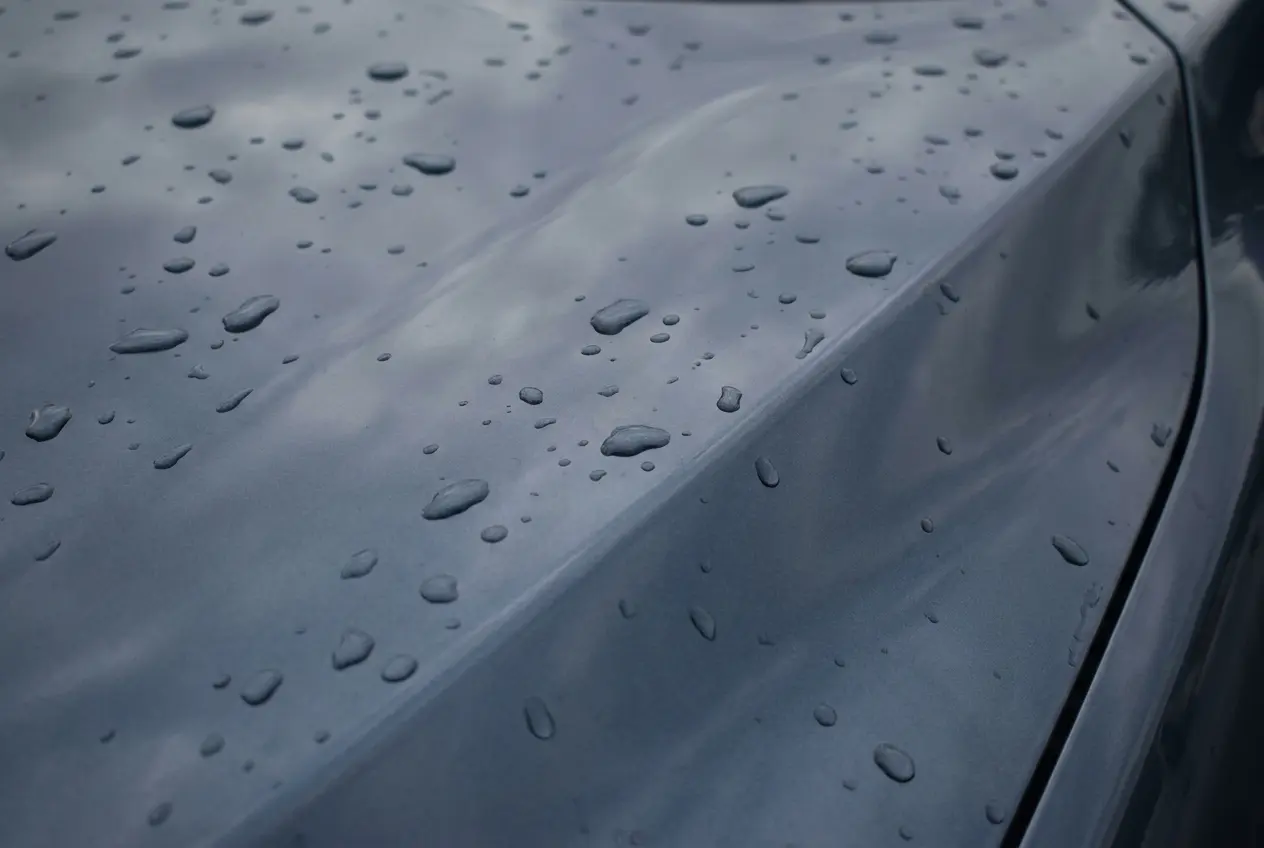
Avoid touching the surface more than necessary while you find out what’s allowed. Ceramic Pro specifically cautions against using towels to wipe debris off a dry surface (Ceramic Pro care precautions). Loose dust and bird or insect residue aren’t the same problem and don’t get the same response.
If water behaves differently after an exposure, note it without deciding the coating has failed. Our guide to when a coating stops beading covers that separate question.
Leave with instructions you can actually use
Here’s what an incomplete handoff sounds like: “Pick the car up this afternoon,” with nothing about when the first-wash clock starts or what to do if a bird leaves a mess on it that evening. Ask for the missing directions before you leave if you can, along with a way to reach someone with questions.
Keep the product’s written instructions and the installer’s handoff notes together. If something lands on the car, a short message can cover the installed product, the relevant times, what happened and where, the directions you followed and how it looks now.
A useful exposure record
Once your instructions allow the first wash, our guide to washing a coated car will help you plan the routine.
ZNT lists Ceramic Coating as a service (ZNT service overview). When you request coating and aftercare guidance, tell ZNT about your parking, when you next need the car and any likely exposure. Ask for the exact system, the written instructions that apply and an agreed handoff plan before the work is confirmed.