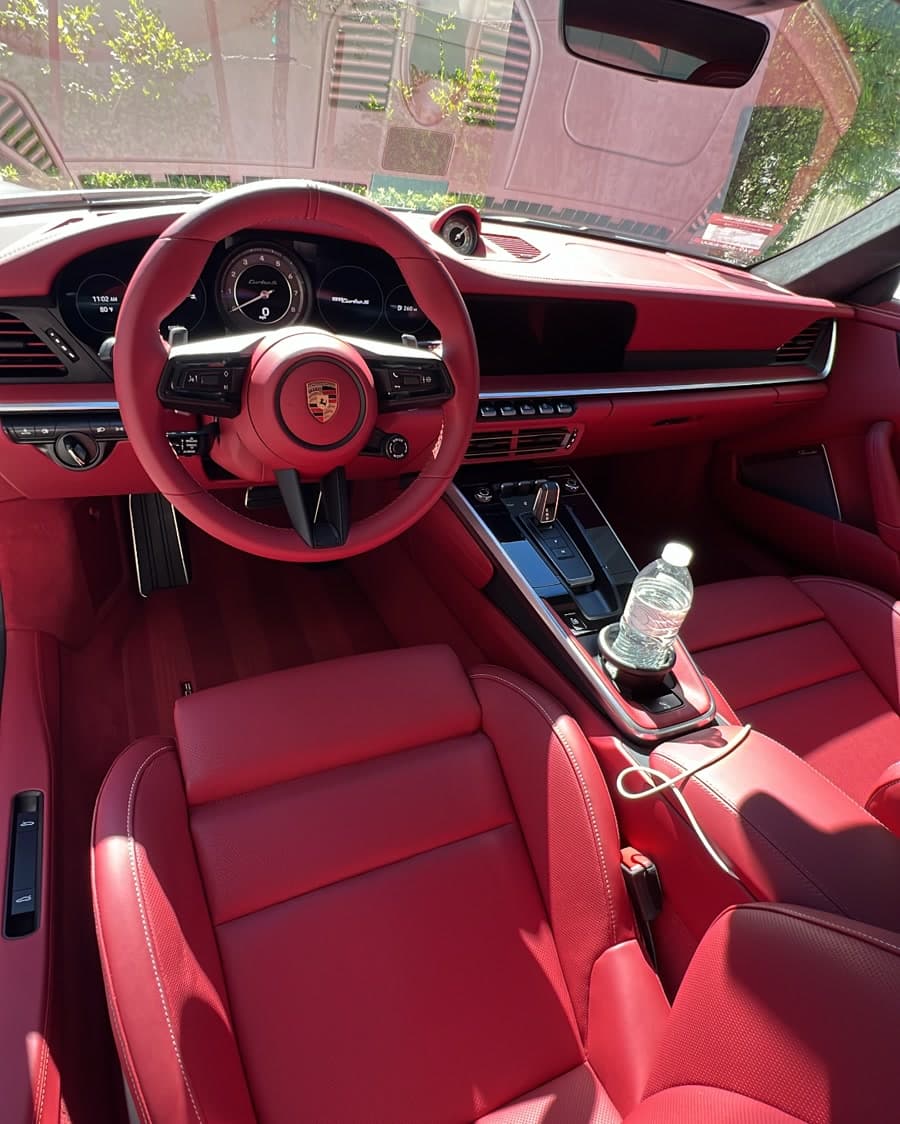
There isn’t one number that fits every car. How long a detail takes depends on your vehicle, its condition and the work you agree on, and ZNT’s service and terms pages don’t publish a standard time range. So instead of leaning on a generic hour count, ask the question that actually matters for your plans: Will the car be ready for what I need it for, by the time I need it?
“The work is done” and “the car is ready to use” aren’t always the same moment. If your appointment includes wet interior cleaning, a coating or window film, ask whether drying time or aftercare rules affect your next trip.
Find out what the estimate covers
ZNT’s service list includes interior and exterior detailing, paint correction, ceramic coating and window tinting.
Tell the detailer which areas you want done and what shape they’re in. Ask what the estimate includes, what still needs a look in person and what could change the plan.
Then ask three separate questions:
- The work: When is the agreed work expected to finish?
- Drying, if it applies: When can the affected interior areas be used, and how will the detailer check they’re ready?
- What still applies afterward: Which product or film instructions are still in effect once the work ends?
These can overlap, and some may not apply to you at all, so don’t simply add them up.
Ask three separate timing questions
- Work finish
When is the agreed work expected to finish? Confirm scope and condition.
- Drying, if relevant
When can wet-cleaned areas be used, and how will readiness be assessed?
- Product instructions
Which restrictions continue after work ends for the actual product and conditions?
For the belongings, access and vehicle details to sort out before the visit, see how to prepare for a mobile detailing appointment.
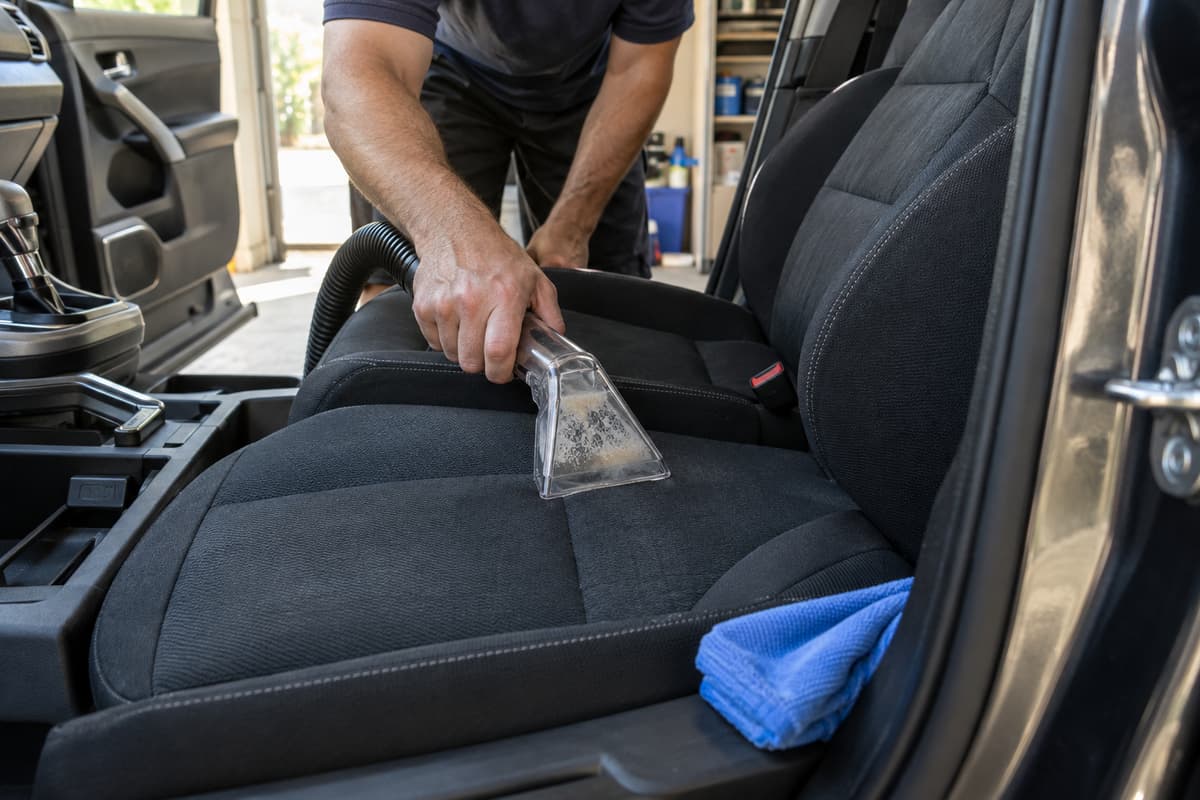
Wet interior cleaning: when can you use the seats?
If the interior work involves moisture, find out which seats, carpets or other areas are involved. For a passenger pickup, what matters is whether those particular seats are ready, not whether the detailer has finished some other part of the car.
As one example, BISSELL’s upholstery guidance, which covers car interiors, says to let things air dry completely before use after the wet-cleaning process it describes.
Kärcher’s extractor guidance notes that absorbent or foam-backed materials hold more moisture and need longer to dry. In practice, a spot that feels dry on top can’t tell you about all the material underneath. Ask the detailer how they’ll check it’s ready for what you need.
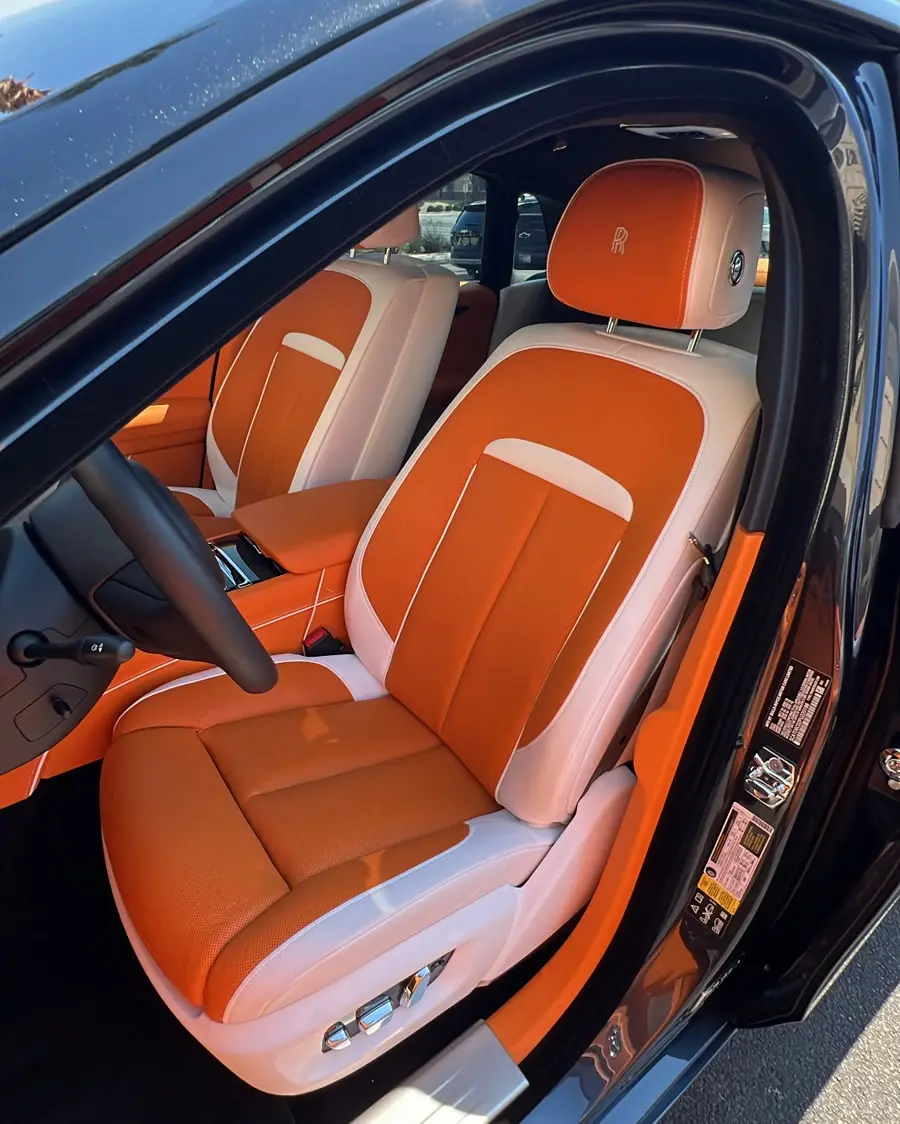
If something is still damp when you get the car back, or stays damp longer than you were told to expect, ask the detailer to take another look before you assume the passenger plan still works. Our guide to interior cleaning methods and drying goes deeper on methods and moisture.
Coatings and tint can come with their own rules
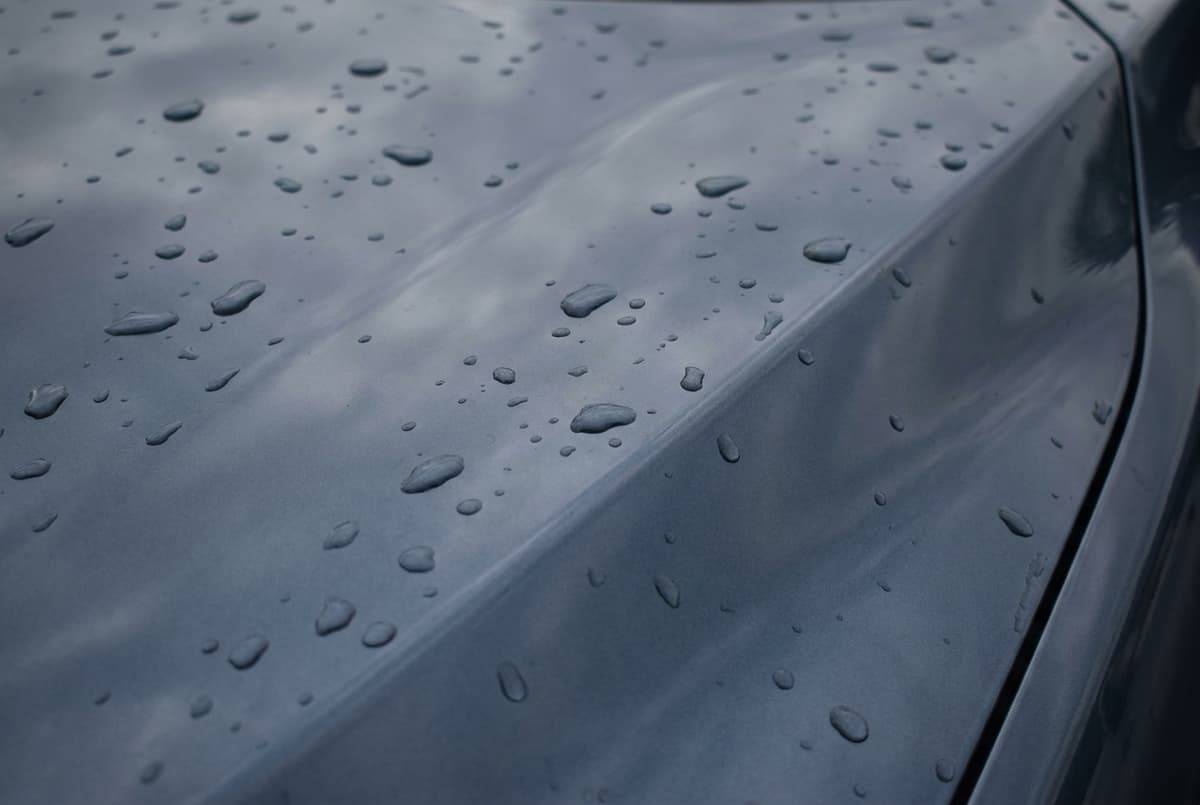
Gtechniq’s Crystal Serum Light instructions call for an indoor period after application, so where the car will be parked becomes part of the plan with that product. Don’t assume a detailer has indoor space available.
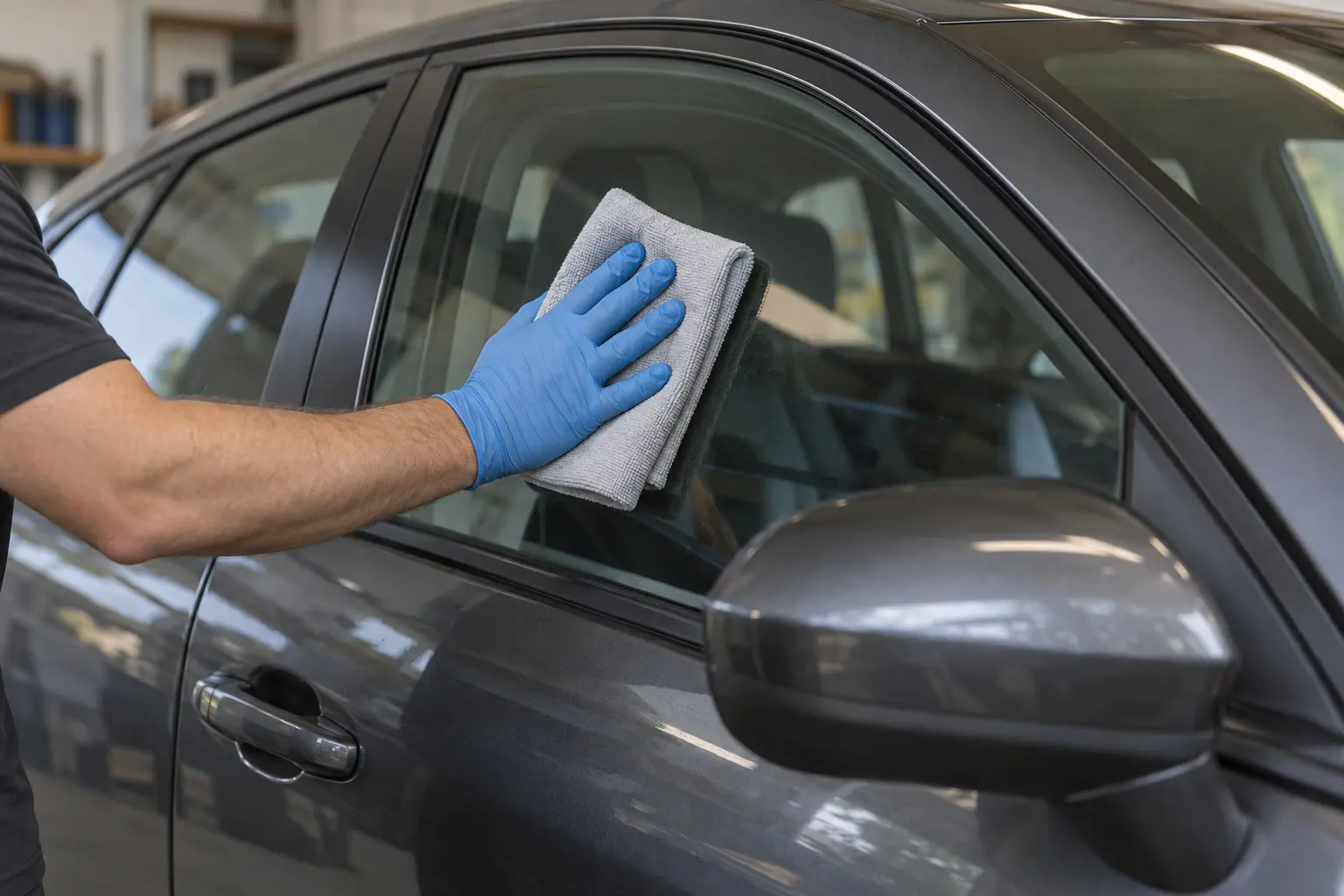
Likewise, 3M’s automotive window-film care guide says not to open, close or clean the windows for a set period after its tint is installed.
Ask for the actual product name and its instructions, then confirm when each restriction starts and ends and whether you can keep up with any conditions it requires.
Ask separately about driving, carrying passengers, lowering windows, parking and washing. For coating aftercare, see the first days after a ceramic coating.
Work backward from when you next need the car
Before agreeing to the work, tell the detailer both the deadline and what you need the car for. “I need the car back” leaves room for misunderstanding; “I need the rear seats ready for a passenger pickup” doesn’t.
Here’s a message you can adapt:
I need the rear seats usable by [day and time] for a passenger pickup. Does the proposed work, including drying, fit that? When will you let me know if anything changes, and what backup have we actually agreed on?
The same approach works for other plans. If you can only park outdoors after a coating, check whether that meets the chosen product’s requirements before the work starts. If your next trip means lowering a freshly tinted window, bring that up when you go over the film instructions.
Can the plan fit your next use?
State the activity and deadline
Be specific about which areas or actions must be ready.
The confirmed plan fits
Record the estimate and intended-use expectations. Agree who provides updates and when.
The plan does not fit
Change scope, date or transport only if suitable, available and agreed. Otherwise defer affected work.
If what you need can’t fit the confirmed plan, talk about changing the scope or date, or arranging other transportation. If nothing workable is confirmed, put off the affected work.
Get the timing in writing
A short record keeps the estimate tied to your plans:
- Vehicle, relevant condition, agreed work and affected areas
- Estimated finish and what’s been confirmed about using the car for your purpose
- Product instructions, required conditions and what starts each restriction
- Your next essential trip and its deadline
- Who will tell you about changes, when to expect an update and any agreed backup
- Anything still unresolved before the work is confirmed
Timing details to record
Las Vegas weather belongs in that conversation. The National Weather Service’s climate overview describes hot summers along with monsoon moisture and higher humidity. Talk about conditions on your actual appointment day.
When you pick up the car, compare the estimate with how things actually turned out and note any instructions still in effect. If you’re still unsure about your next use, sort it out with the detailer and adjust the plan before relying on it.
To get a current estimate, send ZNT’s contact team your vehicle details, its condition, the work you want and what you need the car for next. Ask for the expected work window and anything that affects that use, then settle on a plan that fits both.