A water tank on the van or the words “low-water” don’t tell you the whole story. Before you book a mobile detail, ask four simple questions:
- Where will the water come from?
- How will the work use it?
- What happens to the used water and anything else left over?
- Which rules apply at this address?
Get the answers for your car, its condition and the spot where the work would happen before you agree to a service or offer up your hose.
A water source is only part of the answer
- Source
What supplies the wash?
- Method
What work is proposed, and what is the basis for a volume claim?
- Destination
What happens to the used water and other material?
- Conditions
What applies at this address?
Separate where the water comes from and where it goes
A short conversation beats guessing from a van, a tank or a hose hookup.
Scroll to see all columns.
| Ask the detailer | What you’re trying to find out |
|---|---|
| What supplies the wash and any final rinse? | What they bring, what access they need from you, and whether you’re allowed to give it |
| What method will you use for this car and this job? | The proposed work, whether it suits your finish and condition, and what any water-volume claim is based on |
| What happens to the used water and other material? | How it’s actually handled and where it ends up, including any collection and any sign-off needed where it goes |
| What still needs checking for this address? | Who will confirm property conditions and any utility or local requirements before the work |
ZNT’s terms explain that its mobile detailing service brings spot-free water, power and equipment. ZNT does not use your water or electricity; confirm suitable space, access and property permission for the visit.
Three answers, plus the actual address
If water treatment matters for your finish care, ask what water will actually touch the car. For that side of things, see hard-water washing and drying in Las Vegas.
Know which local rule applies
Here’s a summary of the vehicle-washing guidance as checked on October 22, 2026. SNWA treats three situations differently:
- Personal vehicles at home: once a week per vehicle, with a positive shut-off nozzle on the garden hose. The guidance also describes options with no frequency limit if you follow the commercial-vehicle guidelines or use a high-pressure, low-volume sprayer.
- Commercial vehicle washing: an approved method of capture to a sanitary sewer, or a high-pressure, low-volume sprayer using less than 10 gallons per vehicle.
- Mobile car washing: high-pressure, low-volume equipment and less than 10 gallons per vehicle.
Read the current SNWA vehicle-washing guidance and LVVWD conservation measures, and confirm what applies with the water provider and jurisdiction for your address. Your property’s permission doesn’t replace those requirements.
Two mix-ups to avoid. The home-hose rule doesn’t cover a paid mobile visit just because it’s your car at your house. And the mobile-washing rule isn’t a complete rulebook for everything called “detailing.” SNWA does list waterless partners in its car-wash program (SNWA Water Smart Car Wash information).
Ask about wastewater, even when it’s a small amount
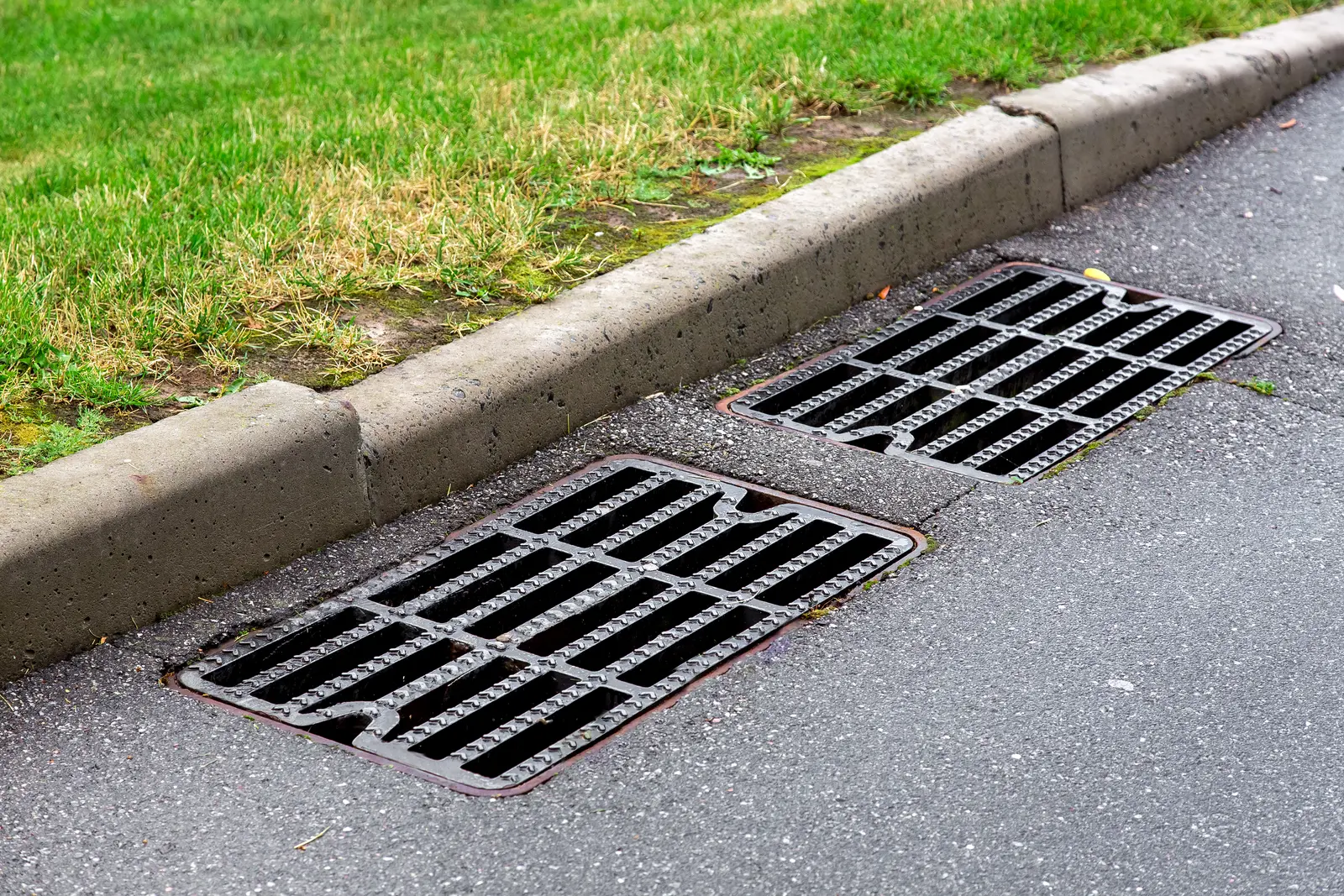
Saving water and dealing with what runs off are two different questions. Clark County’s stormwater information explains that stormwater and sanitary sewage use separate collection systems, and storm runoff doesn’t get the treatment the sanitary system provides.
Ask the detailer how the used water will be handled and where it will go on this job. If an approved discharge route is part of the answer, ask who confirmed it can be used and under what conditions. A nearby grate, a hose that reaches a drain or a small puddle isn’t enough to go on.
Ask what the eco-friendly labels really mean
Words like low-water, rinseless, waterless, biodegradable and eco-friendly need explaining for your car and the work you want. Ask what the method involves, why it suits your finish and the dirt on the car, and what liquid, residue or used materials will be left to deal with.
SNWA’s Water Smart program describes participating car washes that recycle water onsite or send it for treatment and return to Lake Mead (how the Water Smart program works).
Keep two kinds of claims apart:
- Program participation: Check the current listing and the exact status being claimed. A listing confirms that status, but it doesn’t measure savings on your appointment.
- A water-saving comparison: Ask what was measured, which work was included and what comparable service it was measured against. A tank’s size or a regulatory limit isn’t a measurement of savings on your job.
Match each description to its evidence
Scroll across to compare all columns.
| Claim | Question to ask |
|---|---|
| Brought water | What is supplied, what access is needed, and who authorizes it? |
| Low-water method | How does the actual method fit this vehicle and agreed work? |
| Recycled water | What route is used, and what reaches this wash or rinse? |
| Program participation | What is the current listing and exact status claimed? |
| Water savings | What was measured, for which work, against which comparable baseline? |
You don’t need a marketing percentage. A clear explanation of source, method, handling and what’s still to be checked beats a number nobody can back up.
When you only get half an answer
“We bring our own water.” That may cover the supply, but not how the used water is handled or where it goes. Ask the detailer to fill in those parts.
“You can use my hose.” Your OK doesn’t settle whether the commercial method and site meet the rules that apply. Tell the detailer what access you can give, then have the method and address-specific requirements confirmed. At a condo, apartment or office, our shared-property mobile detailing guide covers who can approve the work and the spot.
If an important answer is still missing, you can agree on a different method, scope or location. Otherwise, put that work off.
If the car already has marks, that’s a separate question. Describe the marks and any known protection; our guide to water-spot assessment covers that decision.
Send one clear inquiry
Here’s a message to get the conversation started:
I’m considering an exterior detail for my [vehicle and known finish/protection], which is [condition], at [address and setting]. What water would you bring or need access to? What method would you recommend, and what’s behind any water volume you mention? How would used water and other material be handled? What property or local requirements still need confirming, and who will check them? Please flag anything still open before quoting the work.
Record the proposed water arrangement
Write down what you agree on and what’s still open.
ZNT lists hand washing as part of its Mobile Detailing Service. To talk through the water arrangement for your car, contact ZNT with your vehicle, its condition and location, and ask for a service recommendation and current quote.