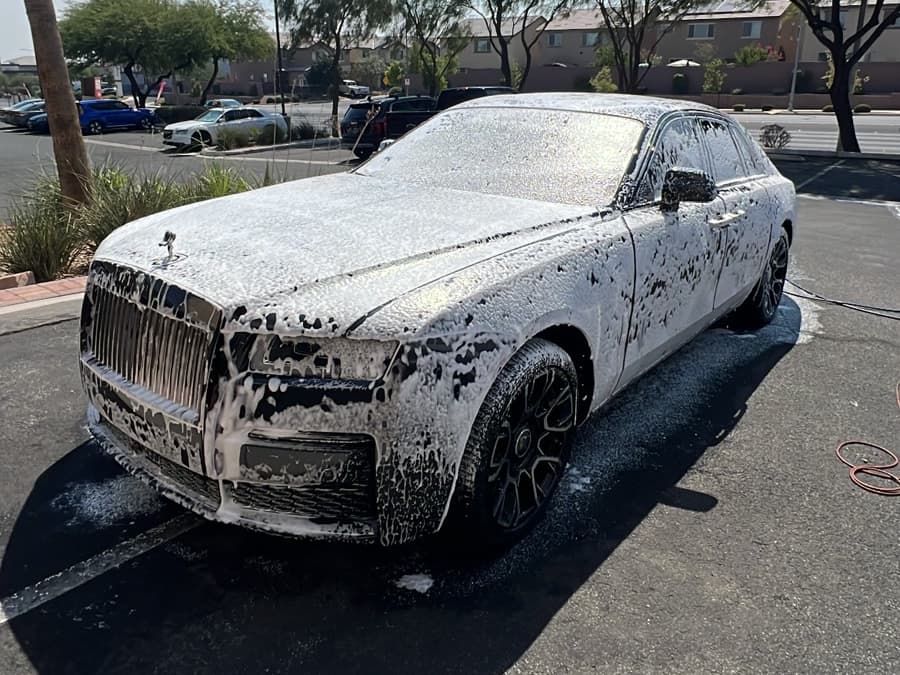
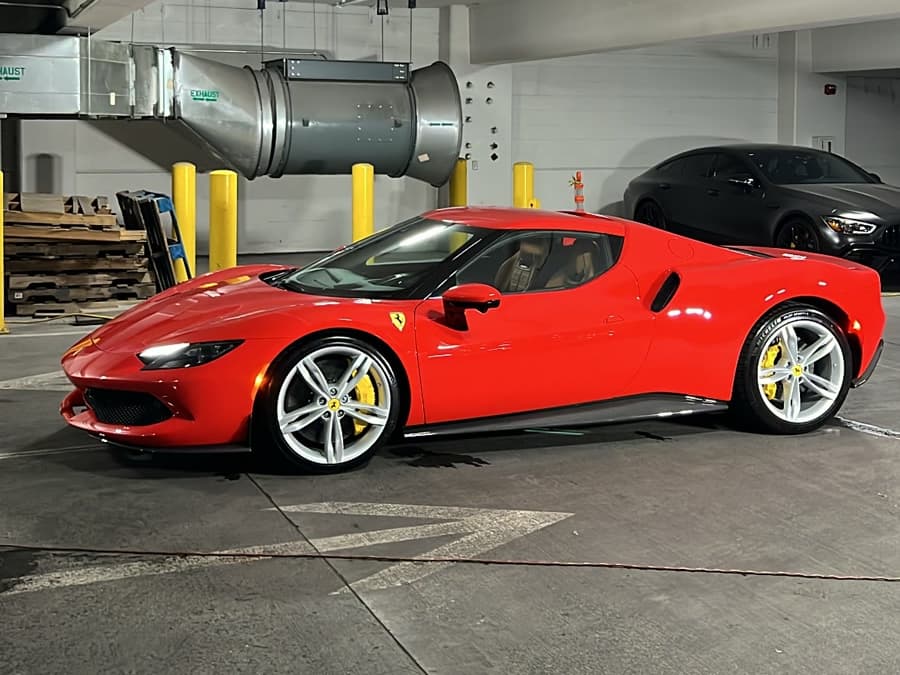
It can work, but two people need to say yes first: whoever is responsible for the property has to approve the work, and the detailer has to confirm your actual space and setup suit the service. Local rules still apply too.
So describe the work and the exact spot to both of them first. You want a confirmed plan, or a clear reason to choose another option, before anyone arrives with equipment.
Shared property, shared decisions
- Property permission
Confirm that the proposed service is allowed in the actual space.
- Provider suitability
Confirm that the location supports the service and equipment.
- Common access
Account for neighboring spaces and routes other people still need.
Start with the property: who can say yes?
Talk first to whoever runs the property or parking area: management, an association representative or a parking operator. Ask who can approve the work. Your right to park there doesn’t mean you can approve a commercial service in that spot or offer up the building’s water and power.
“Can someone clean my car?” leaves too much open. Explain the service, the spot and the timing, then ask:
- Is this work allowed here, or is there a designated service area?
- Does the vendor need to provide any documents before arriving?
- What approval do I need, including anything in writing, and who gives it?
- Are there rules about hours, noise, equipment, nearby cars or keeping walkways clear?
- Can any of the property’s water or electricity be used for this job?
Keep the actual approval and any conditions handy for the detailer. If the property asks for documents, let the detailer respond directly instead of assuming a generic insurance statement will cover it.
Who can authorize the proposed work?
Show the detailer how to get in and where they’d work
The detailer needs to know how equipment will reach your car, not just where it’s parked. Describe the entry route, gate procedure, garage level, posted height limits and where a service vehicle can park. Then describe the space around the car: columns, walls, neighboring cars, door room and any paths people need to keep using.
ZNT’s location requirements call for at least 10 feet of clearance around the vehicle, safe working conditions and authorization to work there. That’s 10 feet around the car, not a 10-foot-wide stall. Ask ZNT how it applies to your spot.
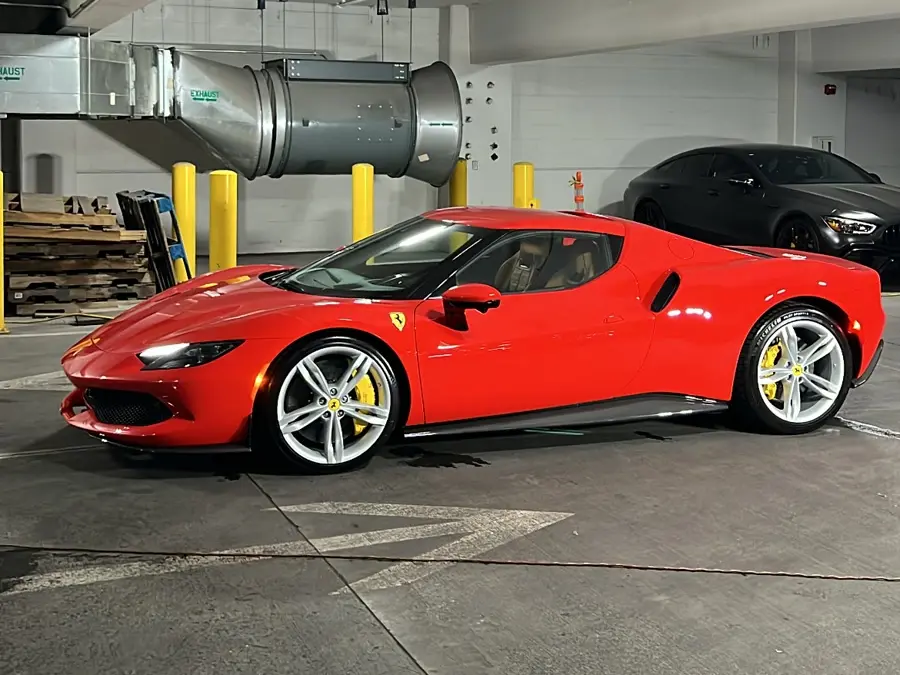
Photos help: one wide shot of the approach and surroundings, and a closer one of any obstacle. Ask what else the detailer wants to see.
Mention lighting, shade and anything that might change during the visit; an empty stall next to yours might be taken later.
Describe the approach and working area
Sort out water, power and equipment
ZNT’s terms explain that its mobile detailing service brings spot-free water, power and equipment, without using the property’s water or electricity. Confirm the space and property permission for that equipment. If you choose another provider, ask what it brings and whether any property utilities would need separate approval.
Even if the detailer brings water or power, space, equipment placement, noise and wastewater still need sorting out. Don’t improvise a hookup or volunteer someone else’s outlet; let the detailer work out a suitable, approved setup.
One firm safety line: if anyone suggests an engine-powered portable generator, a garage is not a workaround for missing power. Honda’s generator safety guidance rules out enclosed and partially enclosed spaces, including garages, and the CPSC warns against garage use even with the door open.
A visible fixture leaves three questions
Ask where the wash water goes
Where water comes from and where it ends up are separate questions. A floor drain isn’t proof that wash water can go there. Clark County’s stormwater information explains why: sanitary sewage gets treated, while the storm drain system carries runoff untreated.
Ask the detailer how they’d handle wastewater and which property and local rules apply at your address. SNWA’s vehicle-washing guidance (checked October 21, 2026) treats washing your own car at home differently from commercial and mobile washing.
Our guide to water-conscious mobile detailing goes deeper into methods, water sources and wastewater.
Three examples: apartment, condo and office
An apartment with an assigned stall. Ask management whether the service is allowed there, then show the detailer how much room there really is. If the job would need the next stall, don’t assume you can use it.
A condo garage with an outlet nearby. Confirm entry and height limits, whether you may use that outlet and what equipment the detailer plans to bring.
An office where your employer is on board. Find out who controls the parking area and approves vendors, and agree on the work, location, check-in procedure and allowed hours with them. Tell the detailer when you need the car next.
If your first plan won’t work, talk through an approved alternative. If nothing is confirmed, put that work off.
Still deciding whether mobile is right at all? See mobile detailing vs. a shop, or ask ZNT whether an appointment at its Henderson facility would suit the work.
Send each side a short note
To the property contact:
I’d like [service] done on my vehicle in [proposed area] around [proposed time]. Who can approve this, and what conditions, vendor documents, utility permissions and approval records do you need?
To the detailer:
My vehicle is [details] and I’m looking for [goal]. The proposed spot is [location and setting]. The property has confirmed [details]; still unknown: [unknowns]. Here’s what I know about access, working room, utilities and wastewater. I need the car next for [use]. Can this space work for the service and your equipment? What still needs sorting out?
Keep the property and provider answers together
Scroll across to compare all columns.
| Property confirms | Provider confirms |
|---|---|
| Who may authorize the activity | Vehicle and requested work |
| What is authorized and when | Entry, restrictions and working room |
| Vendor documents and conditions | Service and equipment suitability |
| Permission for water or power | Actual utilities and used-water requirements |
| Open items and next steps | Next vehicle use and confirmed arrangement |
Share gate codes and key arrangements through a direct channel you’ve agreed on, not in site photos. Once the spot and service are settled, how to prepare for a mobile detailing appointment covers getting the car and your belongings ready.
If the parking area, access or conditions change, check in again. ZNT’s terms allow it to cancel for weather or safety reasons, and a new date or location needs confirming. When you’re ready, contact ZNT with your vehicle, goal, proposed spot and open questions to request a location assessment, service recommendation and current quote.