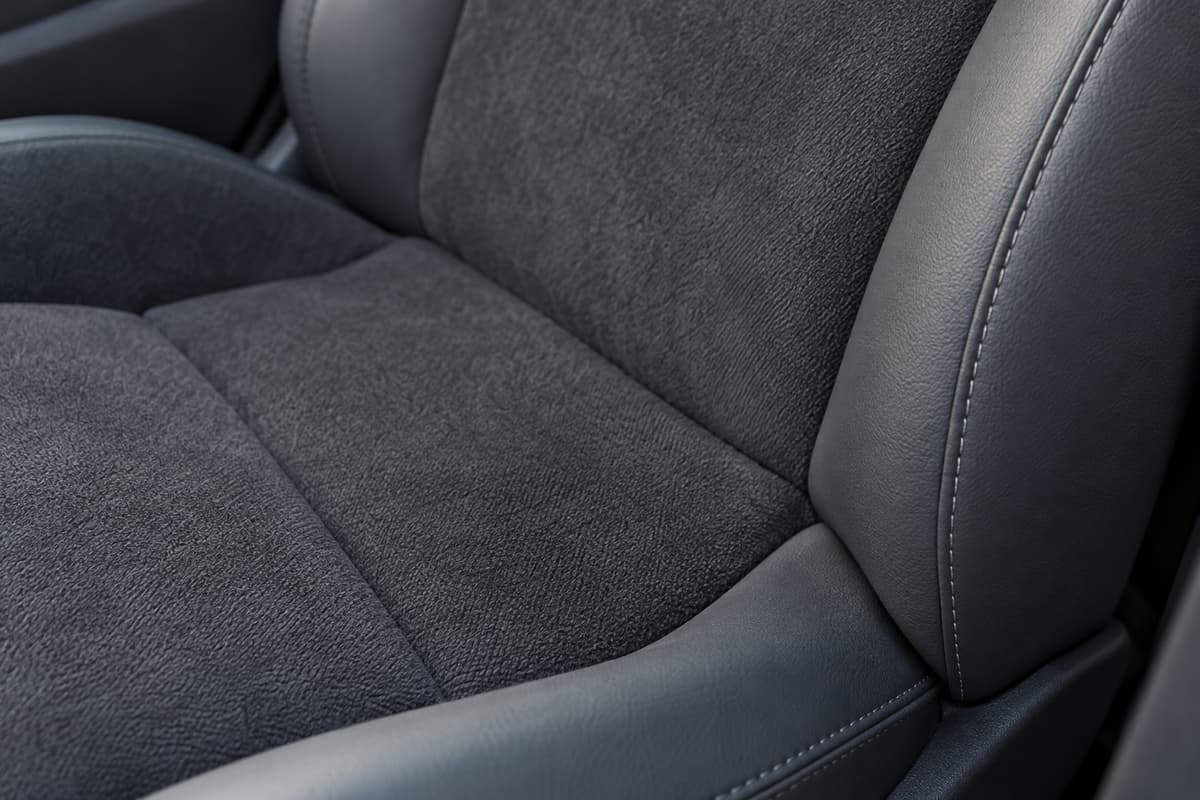
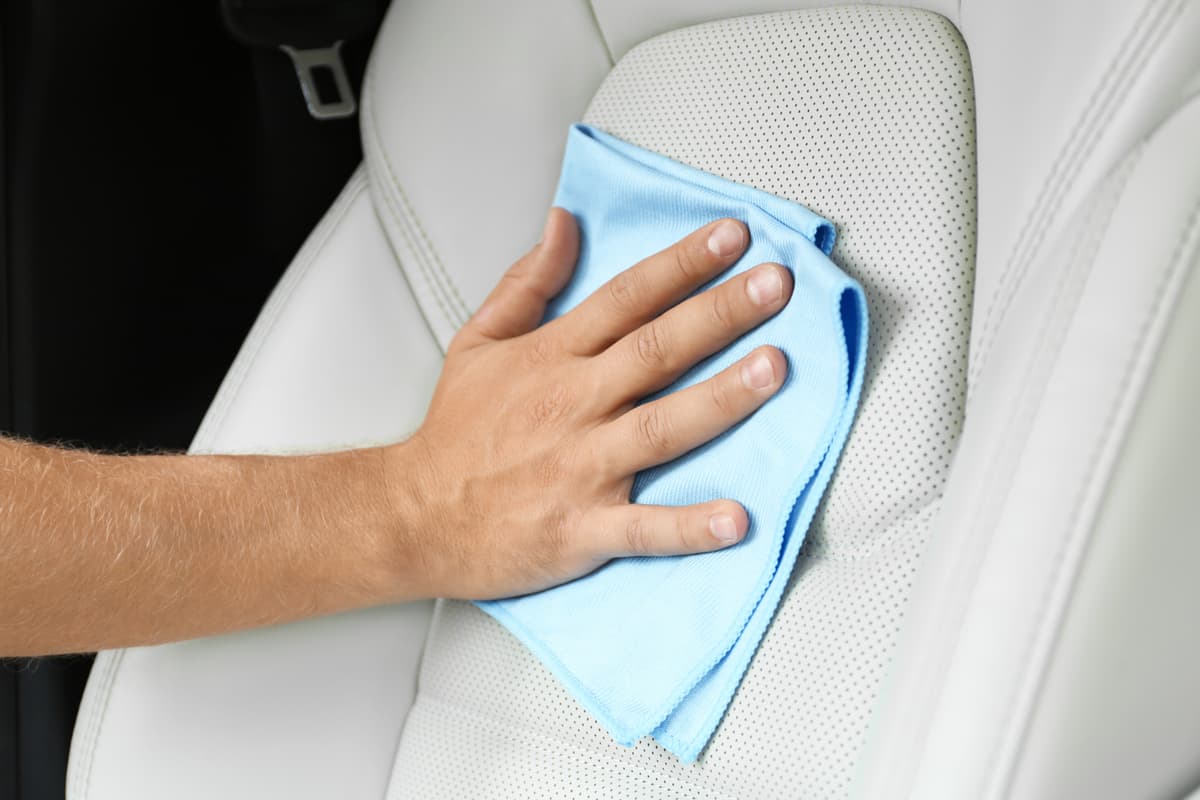
Got a sunscreen smear on your armrest? Only reach for a convenience wipe if both your car’s care instructions for that exact part and the wipe’s full directions allow it. “Alcohol-free,” “baby” or “interior” on the package isn’t enough. For a small mark on a known surface in good shape, the ordinary care your instructions allow may be all you need. If you’re unsure of the material, the surface has changed or a cleaning attempt didn’t work, pause and get better information.
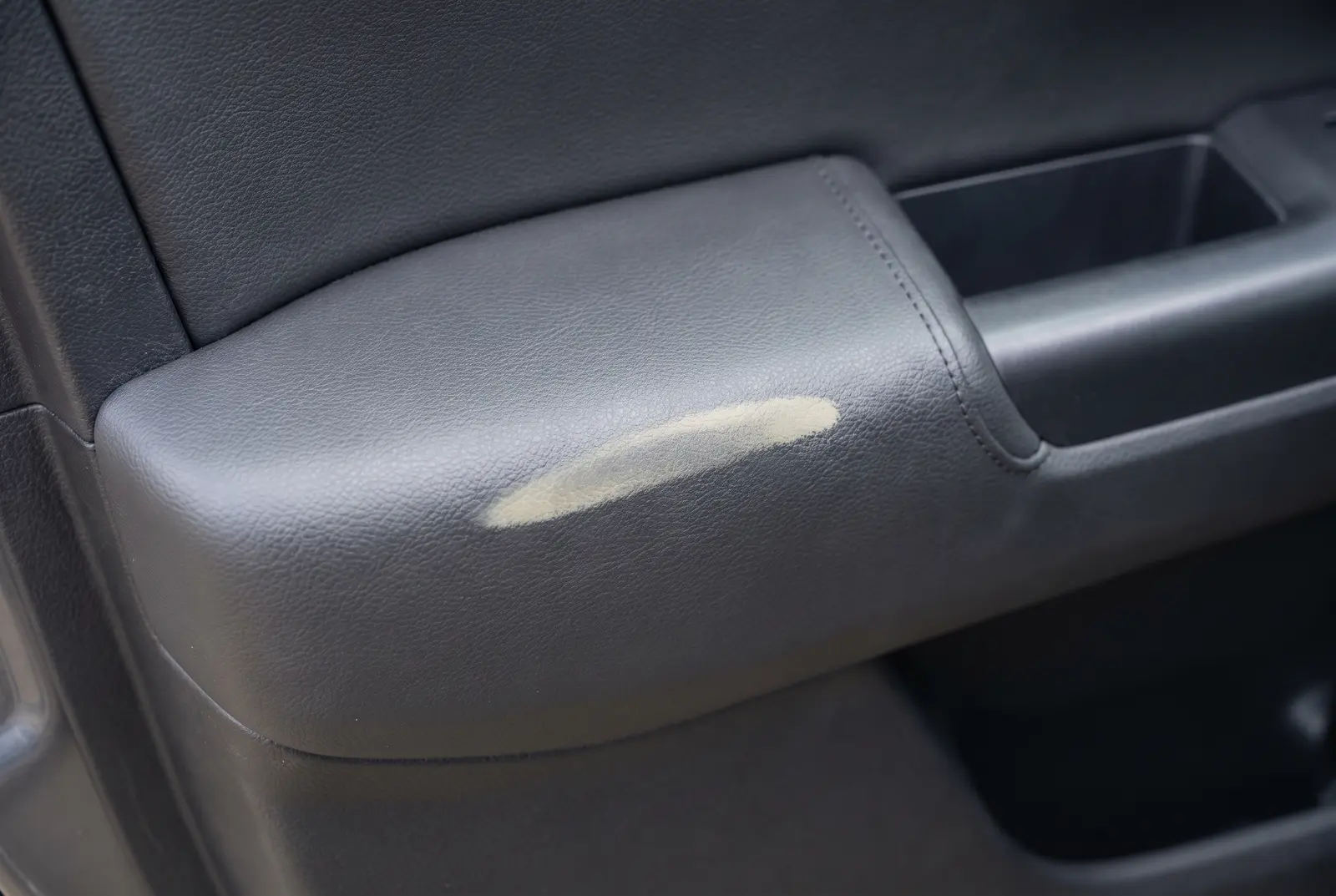
Start with what touched the car and where. A pale smear or oily-looking patch doesn’t tell you what’s in it or mean there’s permanent damage.
Write down what happened, not a diagnosis
Before you try another product, describe the area. Note the sunscreen or lotion’s name if you know it, and keep its label handy. If the mark was there when you bought the car, just say the history is unknown.
Scroll to see all columns.
| What to note | Details that help |
|---|---|
| Where exactly | Door armrest, seat bolster, console lid or another specific part |
| What it looks like, and when | Pale streak, darker patch or changed sheen; when you first noticed it |
| What touched it | The actual sunscreen, lotion or other product (don’t guess ingredients from the color) |
| What you’ve tried | Wipes, cleaners, tools and repeat attempts, plus any change afterward |
| Any existing treatment | Coating or retrim paperwork, or simply “unknown” |
Take a wide photo to show which part it is and a close-up of the mark.
Describe the mark, not the cause
Scroll across to compare all columns.
| Useful to record | Appearance cannot establish |
|---|---|
| Exact panel; wider and closer photos | Ingredients or cause of the mark |
| Known product contact, timing and previous attempts | Whether the finish is damaged |
| Care instructions, coating or retrim records | Whether a coating exists or has failed |
| What you know, with gaps marked unknown | How much cleaning can change |
Figure out what surface you’re dealing with
A seat and a door armrest can look alike yet have different coverings and care instructions. Note your car’s year, model and trim, the exact panel and any replacement upholstery. Our guide to leather and synthetic seats walks through the fuller material check. If it’s a suede-like insert, don’t assume your leather-cleaner routine applies; our guide to Alcantara and suede-like interiors covers those.
Manufacturer warnings are a good reason to act promptly. The 2024 Nissan ARIYA UK owner manual warns that sunscreen and other cosmetics can cause changes to the interior depending on their ingredients, and calls for prompt removal with a soft cloth (Nissan interior-care guidance).
Check the part itself, not just its covering. Nearby controls, lights, screens and restraint components have their own restrictions, and permission to clean a seat doesn’t automatically cover everything around it. Tesla’s component-specific care overview shows that distinction and points owners to their manual.
Start with the gentlest step your instructions allow
Park the car first. For a known surface in good shape, find the instructions for removing loose dirt, applying product and drying, and remove loose dirt only the way they allow. If they call for a test in a hidden spot, do it.
As a narrow example, the vegan-seat section of Tesla’s current online US Model 3 manual describes gentle cleaning with a soft cloth moistened with warm water and mild soap, then drying with a soft, lint-free cloth. It says not to spray seats directly or blow-dry them (Tesla Model 3 seat-care instructions).
Follow the directions as written. Don’t mix something stronger, let it soak longer or add extra scrubbing just because the mark is obvious.
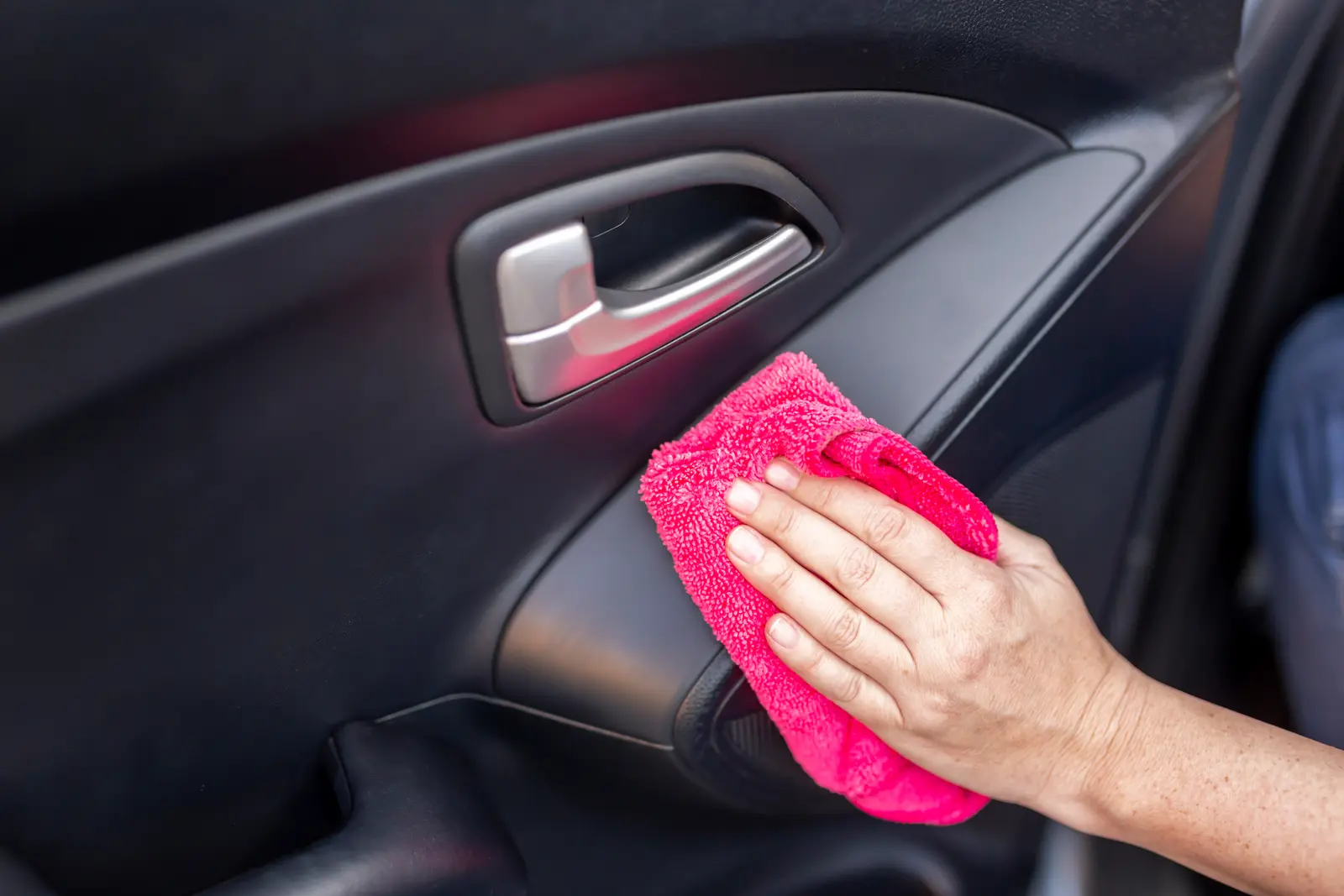
Is a convenience wipe OK?
Only if both your car’s instructions for that part and the wipe’s full directions allow it. Check for surface exclusions and any directions about wiping off residue or drying afterward.
If you can’t confirm compatibility, or the directions conflict, ask the vehicle manufacturer or material supplier before you use it. If there’s a documented aftermarket coating, bring its care instructions into that conversation too.
When the mark won’t budge
If the care your instructions allow doesn’t help, make a note of it. Do the same if an attempt changes the gloss, color or texture, or the surface looks like it’s lifting or peeling. Stop experimenting and ask whether more cleaning makes sense. Color on your cloth isn’t a reliable test of what came off, either.
A household degreaser, abrasive pad, facial cleanser, stronger solvent, more pressure or added heat isn’t the default next step. Covering the mark with a dressing doesn’t mean the problem is solved, either. Tesla’s seat guidance above even acknowledges that transferred cosmetic oils or dyes can’t always be safely cleaned off.
An assessment might recommend limited cleaning, living with some visible difference or getting separate advice about the finish. And if the history points to dye from clothing instead, our guide to denim transfer covers that different problem.
Let the care directions choose the next step
Known, intact surface; both instructions allow the method
Follow the allowed application and drying directions.
Wipe permission is unclear or conflicting
Ask the vehicle maker or material supplier before using it.
Care did not help or the surface changed
Stop experimenting and ask whether further cleaning makes sense.
Cut down on accidental contact
A few cabin habits help:
- Close containers and carry them in a separate pouch instead of loose on the seats.
- Avoid accidental squirts or overspray inside the car.
- When you park, check the armrests, door pulls and other spots that actually got touched, and deal with them as their care instructions allow.
- Keep clean cloths away from loose grit, and follow the storage directions for sunscreen and cleaning products.
What Las Vegas conditions mean here
The National Weather Service describes abundant sunshine, hot summers and episodes of blowing dust and sand in Las Vegas (NWS Las Vegas climate summary). That makes where you park and any loose grit worth mentioning.
After a day outdoors, check for loose grit and use the allowed dust-removal step before working on the mark. If a cleaning product’s directions mention surface or storage conditions, follow those limits. And tell your detailer where the car is parked and about any workspace restrictions.
What to send ZNT
ZNT’s Mobile Detailing Service includes interior surface cleaning. Ask which tasks and products suit the affected material and are included in your quote. The service overview doesn’t list a special sunscreen-removal package. ZNT’s terms ask owners to mention known issues.
Send your vehicle and panel details, the material (or “unknown”), photos, the product that touched it, what you’ve tried and any care instructions you have. Include any coating records, your location and access limits. Ask what compatible cleaning can reasonably address, what should be left out and what might still show afterward. Then contact ZNT for a recommendation and current quote.