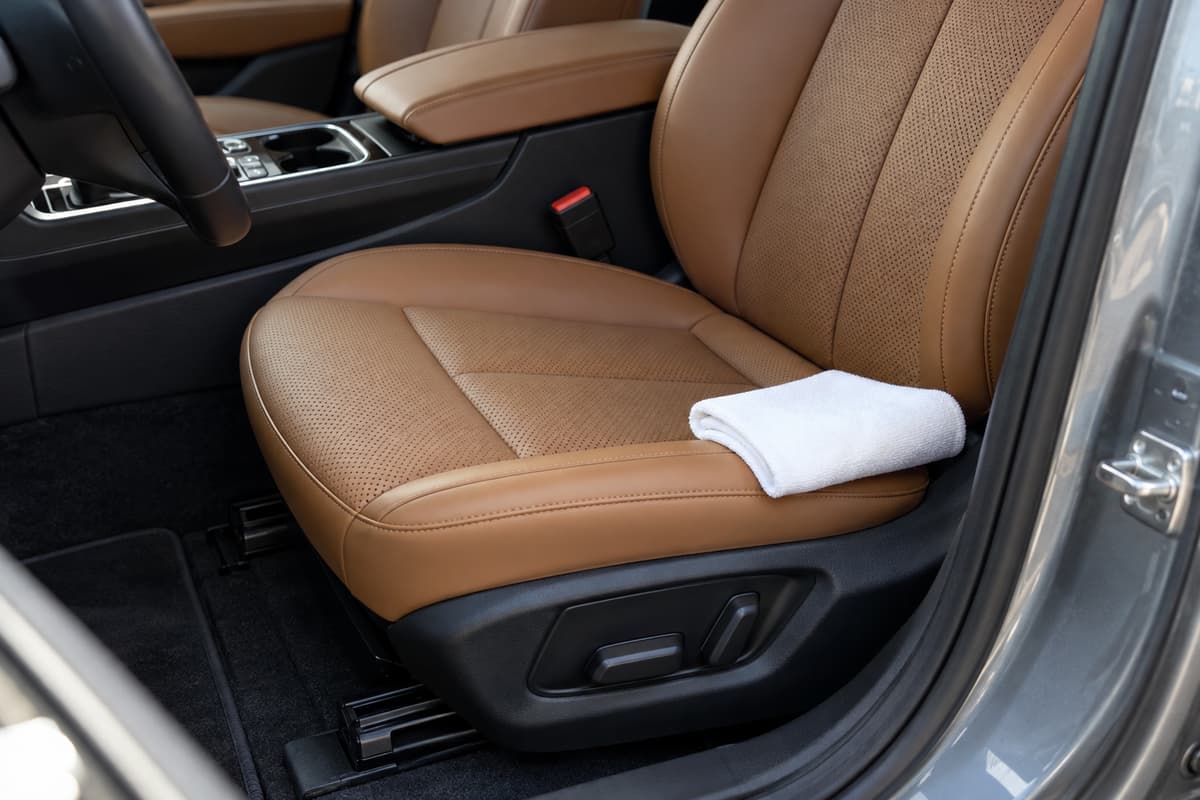
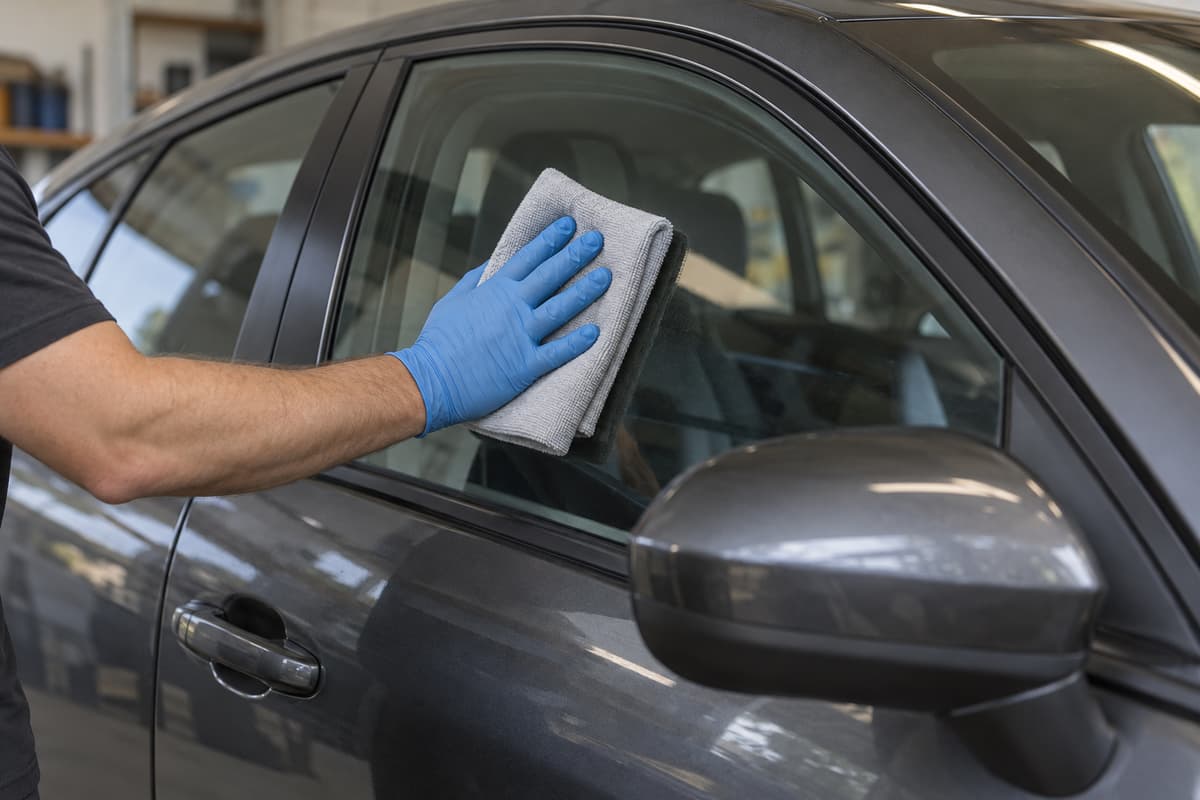
Pick an interior cleaning approach based on the surface, the kind of dirt and the drying plan, not on which machine sounds most powerful. Steam, shampoo and extraction are different actions, and they can be combined. A good proposal tells you what will be applied, how the loosened dirt will be removed and when you can use those areas again.
For everyday crumbs and loose dust, ask whether vacuuming and compatible surface cleaning will do. A wet process isn’t automatically an upgrade. If the seats or carpet need something more involved, sort out the material restrictions and drying plan before you agree to the work.
What each method name actually means
Here’s what each term means in a proposal, and a good question to ask about it:
Scroll to see all columns.
| Action | What it involves | What to ask |
|---|---|---|
| Surface wiping | A suitable cloth and a compatible cleaning approach for the exposed surface. | What’s right for this particular finish? |
| Shampoo or cleaner | A cleaning product is applied as part of the process. The name alone doesn’t tell you how it’s removed. | How will the product and loosened dirt be removed? |
| Steam | Hot water vapor is applied through a tool. The surface has to be able to tolerate it. | Is steam allowed here, and how will moisture and loosened dirt be collected? |
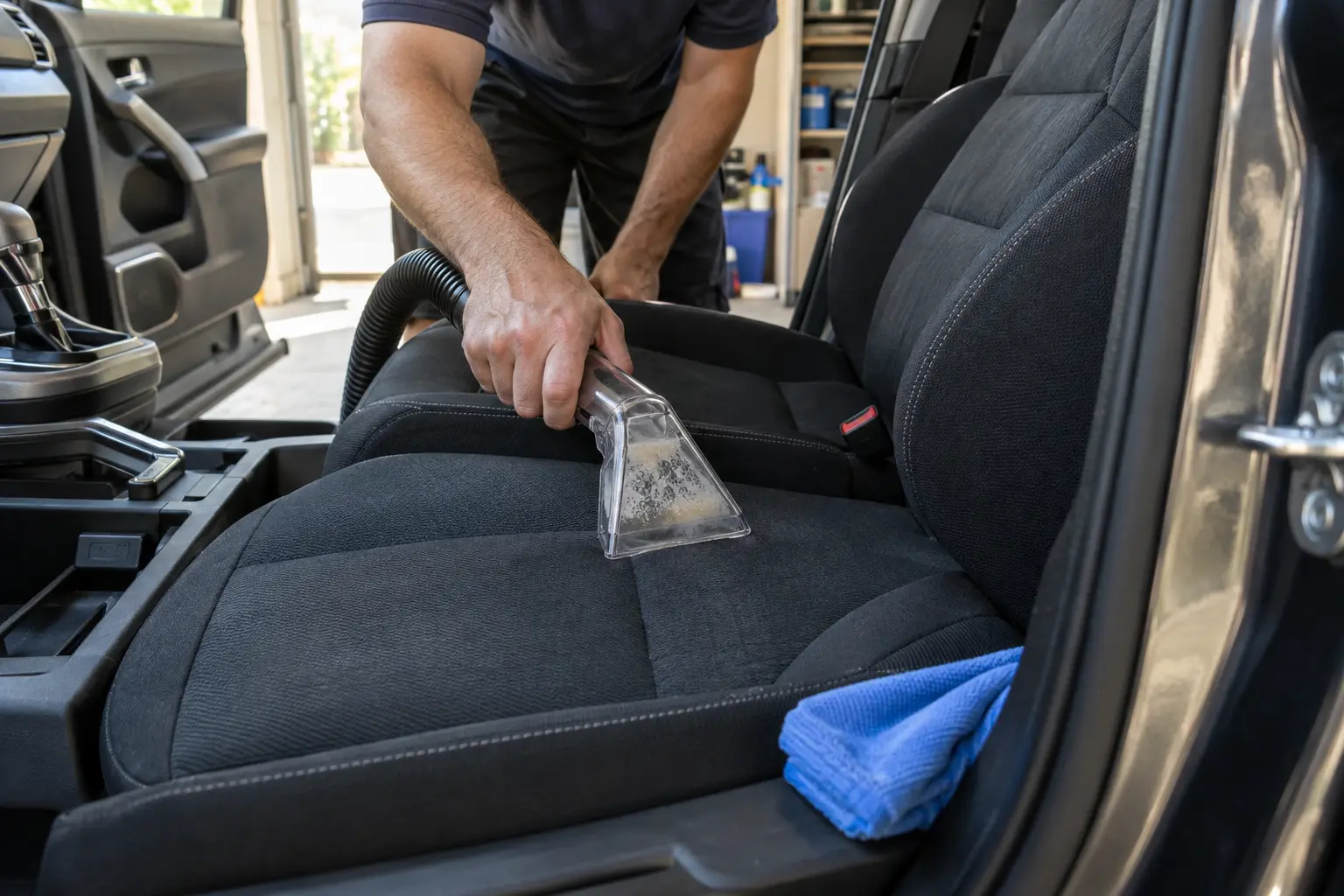
| Spray extraction | Liquid is applied, then recovered by suction along with loosened dirt. | Which areas will be wet-cleaned, and what drying follows? |
Kärcher’s spray-extraction guidance describes applying and recovering liquid as parts of one process. BISSELL’s household equipment guide uses “carpet cleaner” and “shampooer” interchangeably. That’s why “shampoo” on its own doesn’t tell you much about a car-interior service.
Steam doesn’t tell the whole story either. Kärcher’s SGV equipment manual, for example, describes steam and suction working together, while other steam setups rely on separate collection or wiping. So ask about the actual process rather than assuming all steam tools work alike.
Ask what each cleaning method will do
Scroll across to compare all columns.
| Action | Function | Ask the provider |
|---|---|---|
| Surface wiping | Compatible cloth cleaning of the exposed surface | What suits this finish? |
| Cleaner or shampoo application | Product is applied within a cleaning process | How will product and loosened soil be removed? |
| Steam application | Hot water vapor; the surface must tolerate it | Is it permitted here? How are moisture and soil collected? |
| Spray extraction | Liquid is applied and recovered by suction with loosened soil | Which areas are wet-cleaned, and what drying follows? |
Check the surface before the equipment
Just because a machine can deliver liquid, steam or suction doesn’t mean a particular seat or trim piece should get it. Start with your car’s instructions and what the material actually is. Tell the detailer about any repairs, aftermarket upholstery, existing damage and seat features you know of, and say when you don’t know.
Two manufacturer examples show why this matters:
- Tesla’s current US Model 3 manual says not to spray directly onto the seats or blow-dry them, and cautions against over-wetting carpets. Its seat and carpet instructions are separate (Tesla interior-cleaning guidance).
- Alcantara doesn’t recommend steam machines for its material. But a suede-like look doesn’t mean a surface is Alcantara, so identify it before applying that advice (Alcantara cleaning instructions).
Go by the guidance for your own car and surface. A successful test in a hidden spot doesn’t override a manufacturer’s restriction.
If you’re dealing with a fresh liquid spill, especially on a perforated seat, start with our guide to spills on perforated seats.
Getting the liquid out and drying are two different things
An extractor’s suction is part of getting the moisture out, but it doesn’t guarantee the cleaned seat or carpet is ready to use right away. Kärcher notes that absorbent or foam-backed materials can hold more moisture and need longer to dry (Kärcher textile and backing guidance).
BISSELL’s carpet guidance lists construction, recovery passes, humidity and air circulation as things that affect drying. Its separate upholstery-cleaning guidance, which includes car interiors, says to let things air-dry completely before use.
For any wet clean, ask about three things:
- Which areas: a removable mat, fitted carpet and a seat cushion are different items to assess.
- The moisture plan: what will be applied, what will be recovered and what will be left to dry, and how will the detailer check those areas?
- When you can use it: what needs to be dry before anyone sits there, before normal use or before a removable item goes back in, and who confirms that?
A clean-looking photo, a patch that feels dry or no visible liquid in the tool can’t tell you the state of the padding underneath.
Make the Las Vegas drying plan specific
Las Vegas has abundant sunshine and hot summers, but summer monsoon weather can also bring higher humidity (National Weather Service climate summary).
Ask where the affected items will dry, what air circulation is available and how changing conditions will be handled. Describe your real location: covered parking, a garage and an exposed work area are different situations.
Tell the provider when you need the car back before you agree on the scope. If the wet work and drying won’t fit, talk about a lighter clean or a different appointment. Our guide to detailing time and vehicle availability covers downtime and transportation planning more broadly.
Follow the drying instructions you’re given for your car. Don’t try to speed things up with a hair dryer, heat gun or seat heater.
Agree on the handover, and what to do if it stays damp
Before work starts, ask who’s responsible for drying and what condition the wet-cleaned areas should be in at handover. When the job’s done, confirm which areas were actually treated, any drying still to come, how to use or reinstall things and who to contact with questions.
If the seats are already damp and you weren’t given a clear plan, contact the provider before assuming you can use them normally. Tell them where they feel damp, when the work finished and what instructions you followed. If they stay damp longer than the provider’s guidance, report that and ask what should be reassessed before adding another treatment. If a smell comes back, our guide to car odors can help you describe it without guessing at the cause.
Agree on the drying plan
What to ask ZNT
ZNT’s Mobile Detailing Service lists interior vacuuming and surface cleaning. It doesn’t say that steam, shampoo extraction or a particular drying setup is included for your car. Its terms also note that estimates depend on condition.
Use our interior detail scope checklist for the whole cabin. For this decision, try something like: “These are the affected surfaces and the dirt or spill history. Which compatible approach would you suggest, what does the quote include, and how will drying and getting the car back in use be handled?”
Add your vehicle details, location, helpful photos and when you need the car, then contact ZNT for a service recommendation and current quote.