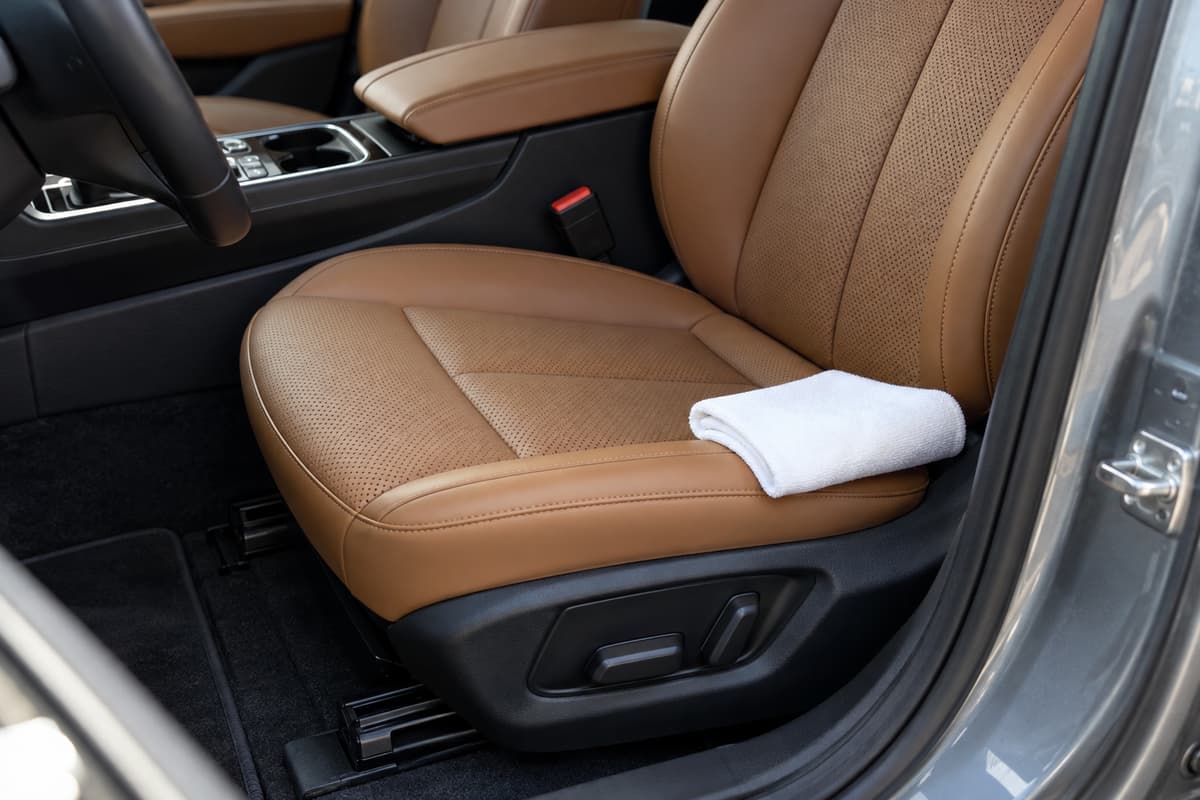
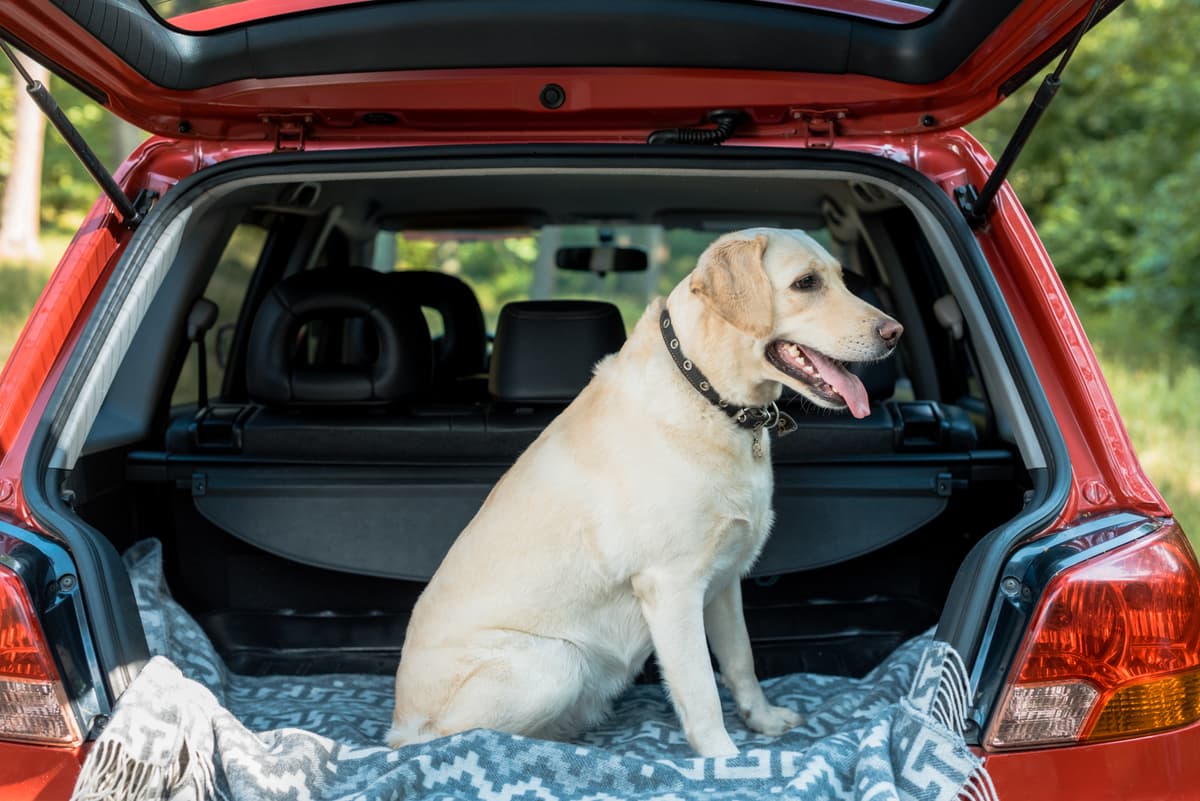
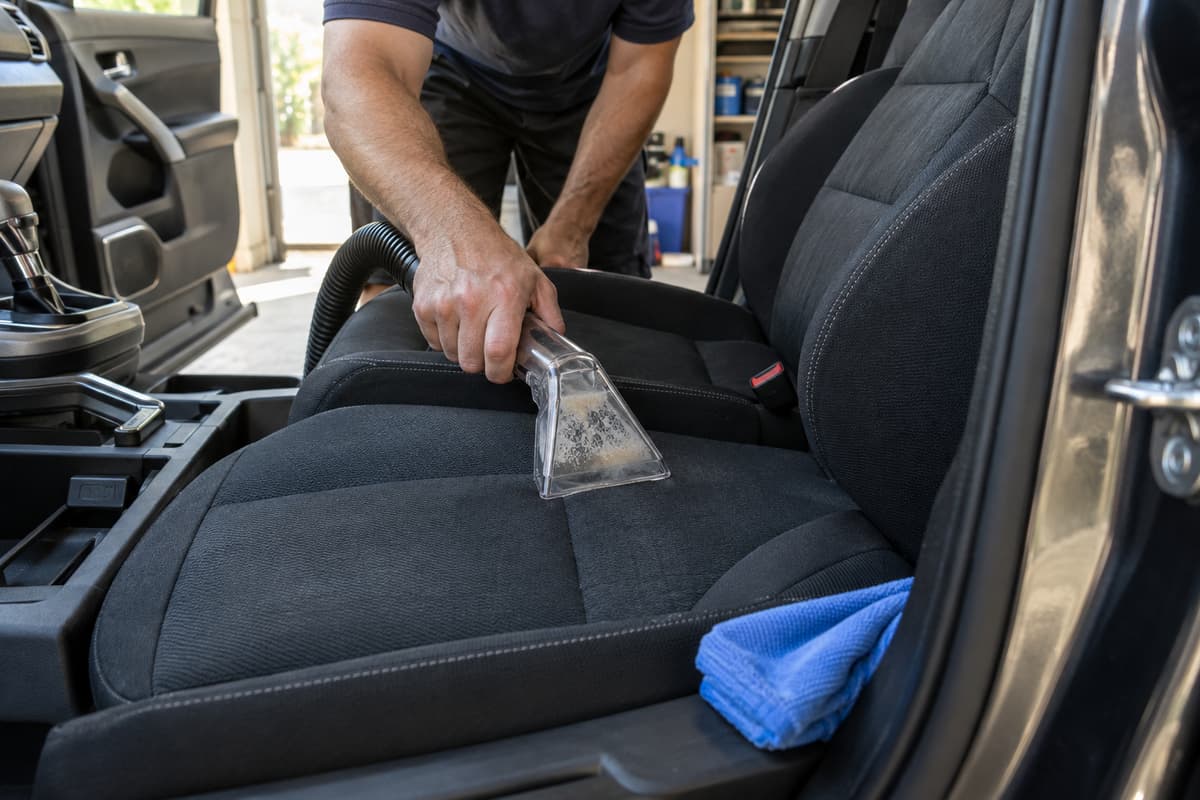
If a smell comes back after a detail, don’t reach straight for a stronger air freshener or a harsher treatment. Start with three questions: what changed, where do you notice it, and what work was actually done? A good assessment ties the smell to the car’s history and to the areas that can reasonably be inspected and cleaned. A fresh scent and a tidy cabin don’t prove the original problem is gone.
This guide is about ordinary lingering cabin smells. Exhaust fumes are a different story and belong with vehicle service. The US 2024 Lincoln Corsair manual, for example, calls for an immediate inspection and says not to drive if you smell exhaust fumes inside (Lincoln exhaust-fume guidance).
Note the pattern before picking a treatment
A few quick notes beat asking for the strongest deodorizer. Just describe what you’ve noticed in normal driving; there’s no need to recreate the smell or work out the chemistry.
Scroll to see all columns.
| What to note | Helpful details |
|---|---|
| When it started | When you first noticed it, plus any known spill, smoking history, pet trip or recent cleaning. |
| Where | Where it seems strongest: a seat, footwell, cargo area or near the vents. It’s fine to say you can’t pin it down. |
| When you notice it | After parking outdoors, when the fan comes on, the whole trip, or only now and then. |
| What you can see | Any reachable residue, damp item or spot that keeps getting wet. Photos help show where. |
| Previous work | What was cleaned or applied, what got better and when the smell came back. Leave blanks if you don’t know. |
“Near the rear footwell after a drink spill” and “noticeable when the fan starts, no known spill” are very different stories. If you bought the car recently, separate what you’ve noticed yourself from what the seller or previous owner told you.
Describe the odor pattern
Start with the things you can take out
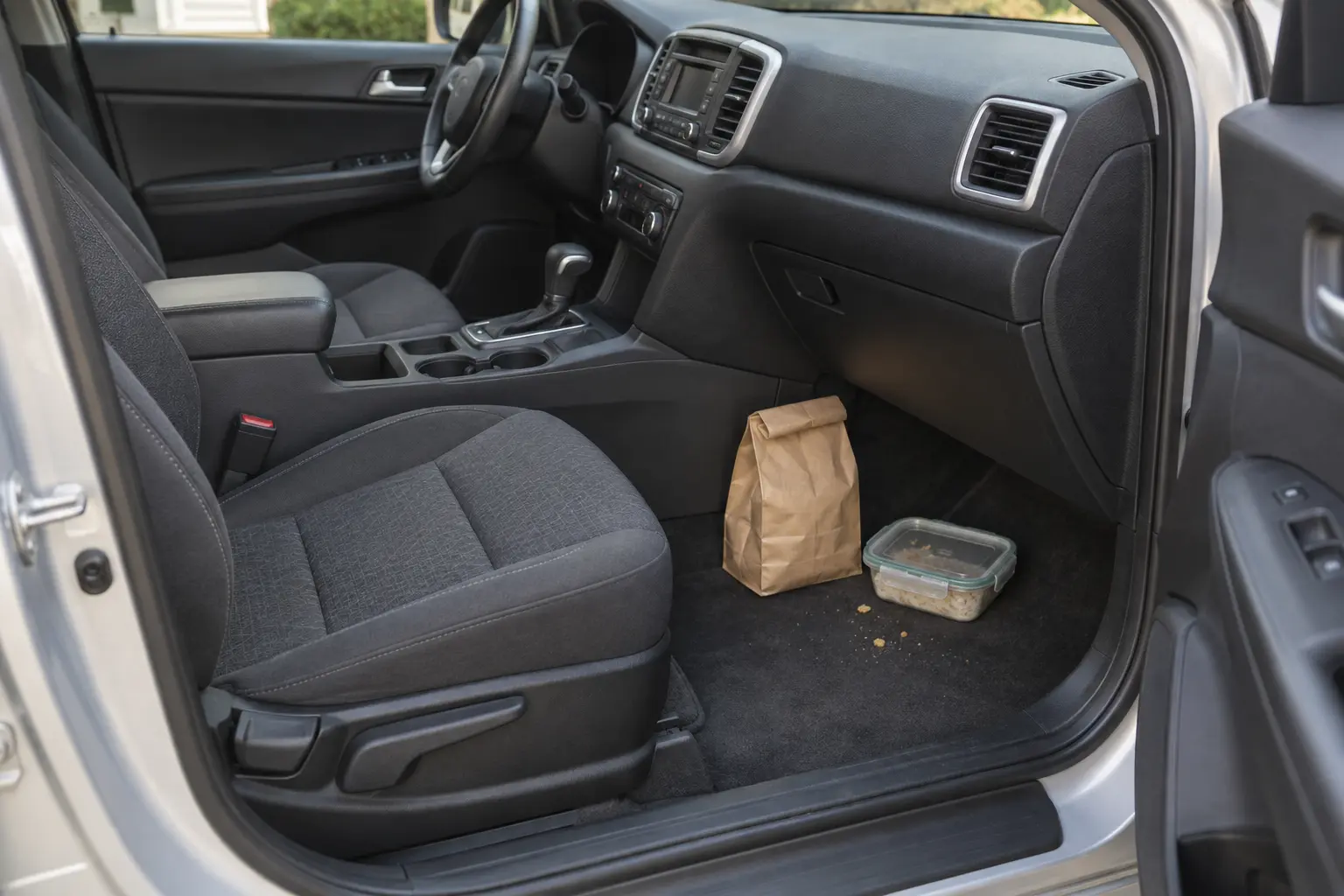
Look first at what you’d normally remove anyway: food containers, wrappers, shopping bags, gym gear, a pet blanket. Toss the trash and clean removable belongings according to their own care instructions. If removing an obvious item solves it and the smell doesn’t come back, routine care may be all you need.
A fresh drink spill into a perforated seat is a different conversation from a forgotten bag in the cargo area; our guide to spills on perforated seats covers that. Pet hair is a separate issue too. Our pet-hair guide explains what removal involves, but getting the hair out won’t settle an odor problem on its own.
Stick to the areas you can normally reach. Don’t pull out seats, trim or wiring hunting for the source. Point out any area you can’t get to and ask whether proper access and cleaning are part of the proposed detail.
What to ask ZNT about odor treatment
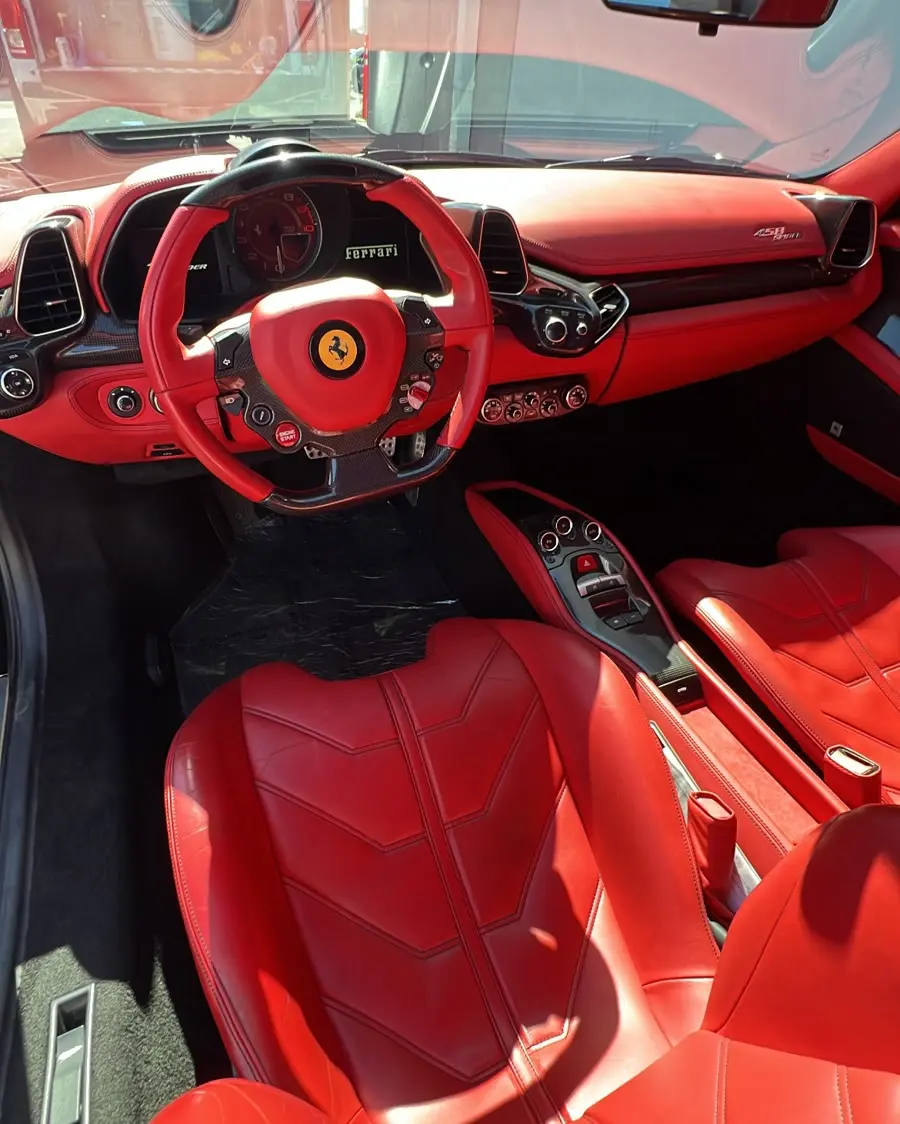
ZNT’s Mobile Detailing Service includes interior vacuuming and surface cleaning. Ask whether any odor treatment is proposed for your car, what it targets and whether it is included in the quote. ZNT’s terms say removal of all odors isn’t guaranteed and estimates can vary with vehicle condition.
Treat that as a starting point for questions. Ask which affected areas can be assessed, what work suits those materials, and what might remain afterward.
If you’d rather have little or no added fragrance, say so up front and ask what options there are. Getting rid of an unwanted smell and adding a scent you like are two separate requests.
If the smell comes back after a detail
Send your notes to the provider who did the work. Describe what improved, when the smell returned and when you notice it now. Say whether it seems like the same smell or whether you’re not sure.
Go back over what you agreed. A receipt, earlier message or condition photo helps if you have one, but you can describe the problem without paperwork. Before paying for another treatment, ask what should be reassessed, including whether an area was outside the original scope or whether a different kind of assessment would help.
When it might be more than a cleaning issue
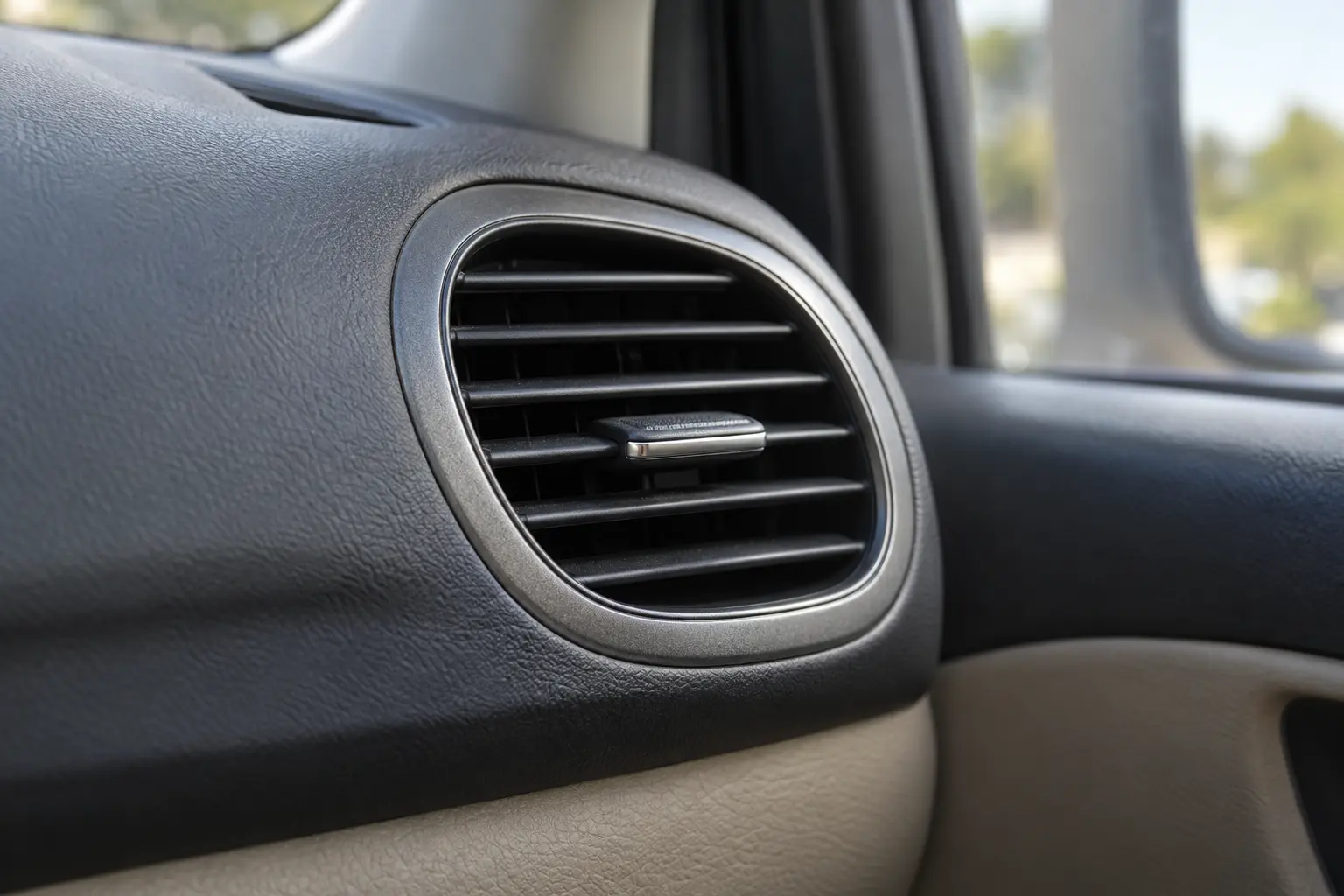
If the smell seems tied to the vents, put that in your notes. The automatic air-conditioning section of the US 2024 Toyota RAV4 manual, for example, explains that odors from inside and outside the vehicle can build up in the system and come out of the vents. It also says air-conditioning repair or replacement should go to a Toyota dealer (Toyota ventilation and air-conditioning guidance).
Mention a persistent vent smell to a vehicle-service professional. Don’t assume a new filter, a spray into the vents or a seat cleaning will fix it.
Dampness that keeps coming back, or that you can’t explain, deserves its own conversation too. Have a vehicle-service professional look at it before treating it as just a cosmetic cleaning job.
Las Vegas heat: useful context, not a diagnosis
The National Weather Service describes Las Vegas as having abundant sunshine and hot summers. If you tend to notice the smell after parking outside, add that and where you parked to your notes.
Heat doesn’t mean hidden material has dried out. If extra wet cleaning is proposed, ask how they’ll check the material and handle drying. Our guide to steam, shampoo and extraction goes into that decision in more detail.
Pick your next step
- You removed an ordinary item and the smell hasn’t come back: routine care may be enough.
- There’s residue you can see and reach: it may fit an interior detail assessment.
- An unexplained smell returned after a detail: talk to the previous provider about the history and what was agreed.
- There’s ongoing dampness or a vehicle-system concern: it may need vehicle service before you choose more detailing.
Choose the next assessment
Ordinary item removed, no recurring concern
Routine care may be enough.
Accessible residue
Ask about an interior-detail assessment; describe the area and material.
Unexplained recurrence after detailing
Contact the previous provider, share the history and review agreed work.
Continuing dampness or vehicle-system concern
Ask about a vehicle-service check before more detailing.
Your inquiry can be simple: “The smell started after this event, seems strongest here and comes back under these conditions. Here’s what’s already been done. Can these areas be assessed as part of an interior detail, and what limits should I expect?” Add your vehicle details, location and any helpful photos.
For the rest of the cabin, run through our interior detail scope checklist, then contact ZNT for a service recommendation and current quote.