An interior detail can tackle pet hair, but “vacuum the car” and “get the hair out of the carpet” are two different jobs. The second takes more focused work, so agree on a few things before the appointment: which areas get attention, how much improvement is realistic, and whether the condition calls for extra work. A floor that looks clean in the middle can still have hair woven into the carpeted seatbacks and along the cargo edges.
ZNT’s Mobile Detailing Service includes interior vacuuming. Its terms note that estimates can vary with condition and that additional charges may apply for pet hair. There’s no fixed pet-hair fee.
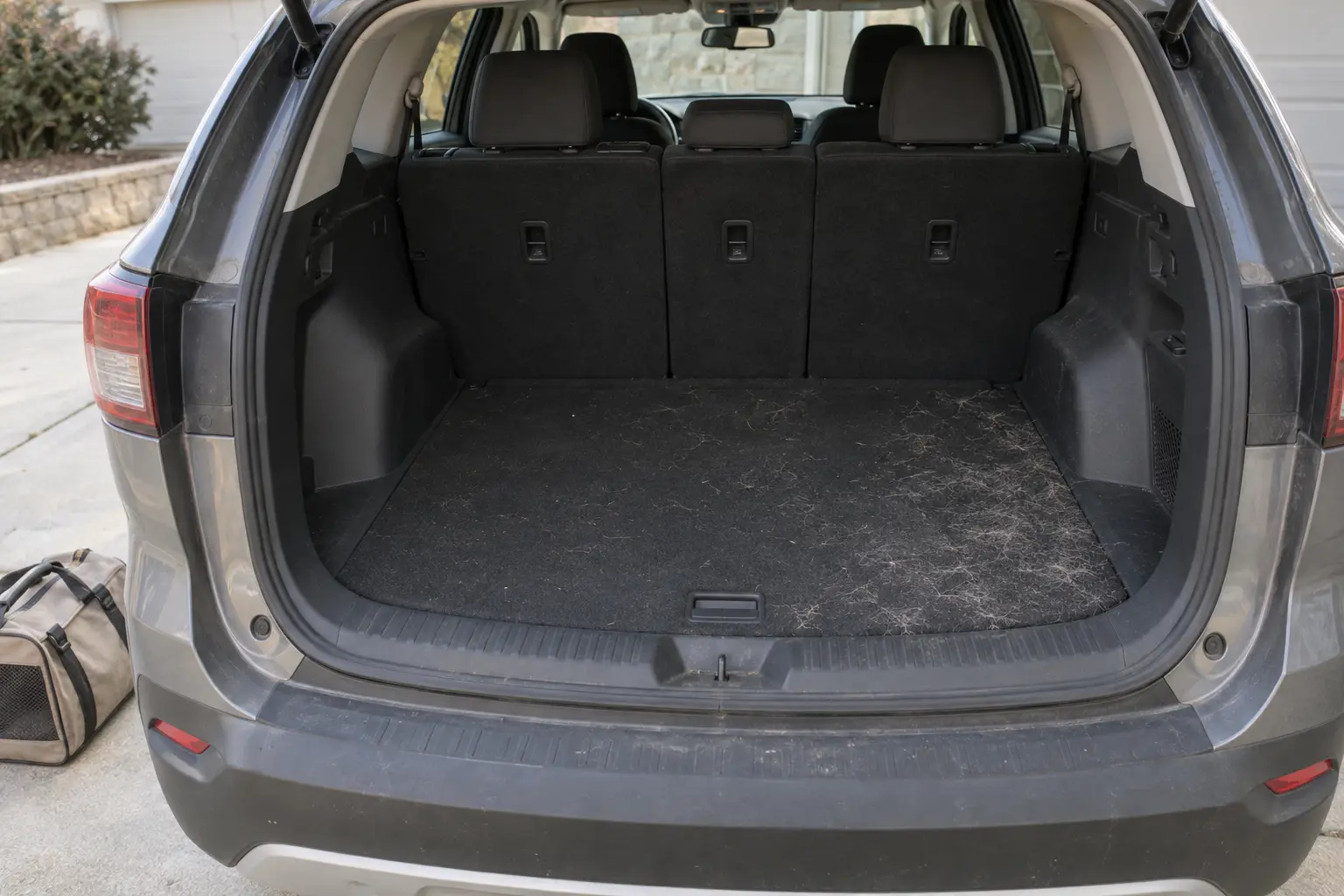
Why one vacuum pass can leave hair behind
Some hair just sits on top of the surface. Other strands work their way in and catch among the carpet fibers. Brush maker Lilly Brush draws that same line in its tool-selection FAQ. That helps explain why a quick pass can look great on one spot and leave obvious hair on another. The answer isn’t one brush for every fabric, or more force.
So think about where the hair is, not just how much there is. Is it loose on a removable mat? Caught in a carpeted seatback? Packed into a cargo seam? Mixed in with everyday floor grit? You don’t need to identify the carpet fibers; just describe what you see.
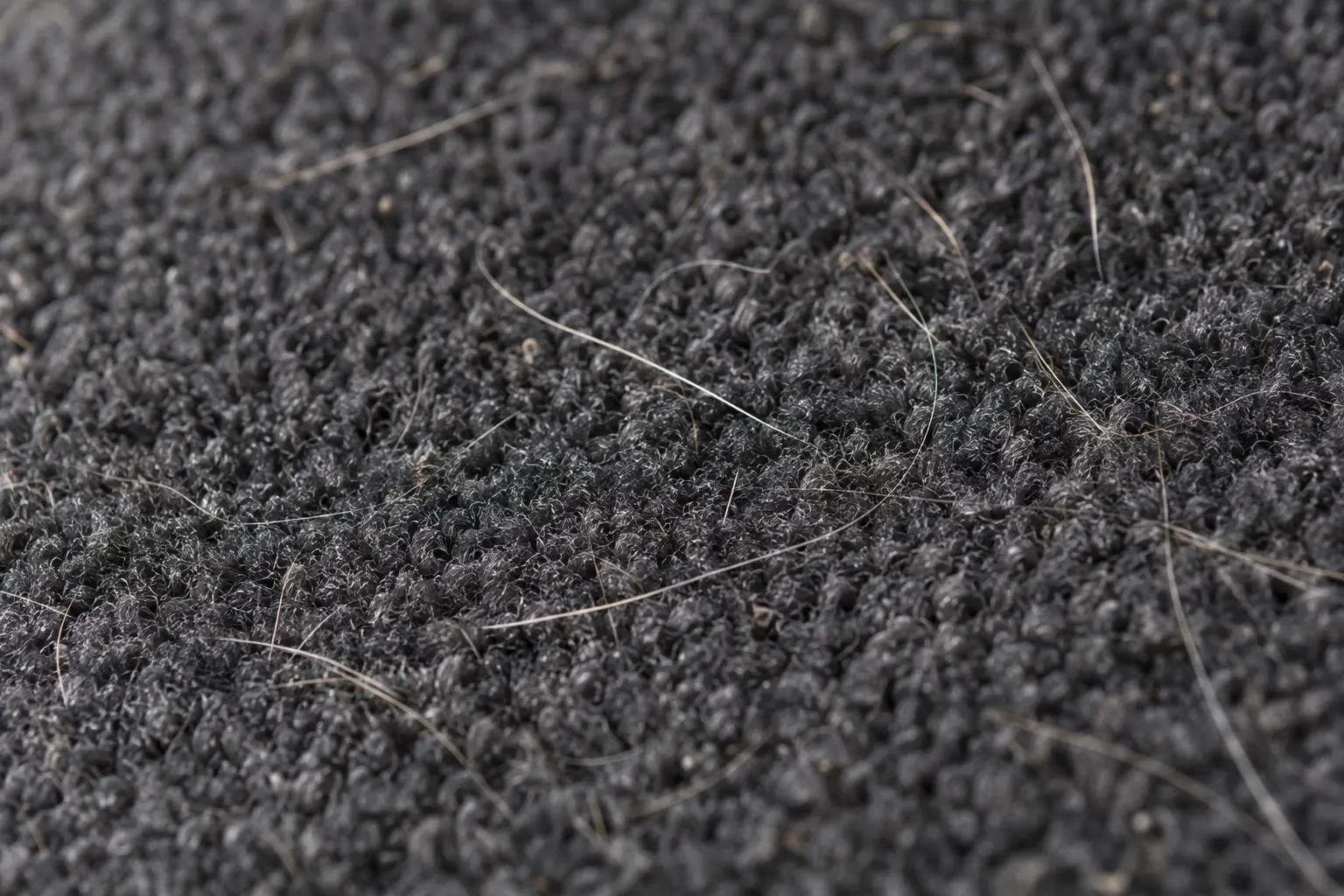
Send good photos before you tackle the hard part
You don’t have to deal with the embedded hair before asking for a quote. Photograph the car as it is: a wide shot that shows where the affected area is, plus a close-up where the strands are visible. If a loose bag or blanket is covering the spot, move it for the photo.
Name each area separately. “Hair on the rear seatbacks and cargo side carpet, plus loose hair on the mats” is a much clearer starting point than “needs a deep clean.” Mention anything you’ve already tried, especially a tool or product that changed the surface. If there’s hair in a narrow gap the camera can’t capture, just say so rather than pulling trim apart.
Before the appointment, take out personal belongings and any loose pet gear you’d normally remove. ZNT’s terms ask owners to remove belongings and mention any known issues.
Prepare the photos and the access
Scroll across to compare all columns.
| With your inquiry | Before the appointment |
|---|---|
| Send a wide view and close detail of the current condition. | Remove loose belongings from agreed areas. |
| Name affected mats, seatbacks, cargo edges and narrow gaps. | Take out loose pet bags, blankets and gear normally removed. |
| Describe tools, products and any surface changes from previous attempts. | Follow the manual for normal mat removal and secure refitting. |
If you take the floor mats out, follow your own owner’s manual for removing and refitting them. As one example, the Canadian English 2021 Volvo XC90 manual has you clean the removable mats and the floor separately, then secure the mats correctly. It also warns against stacking driver mats or letting a mat get in the way of the pedals (Volvo floor and mat guidance).
Leave seats, trim, wiring and restraint attachments where they are. If something blocks access, point it out and agree on how it’ll be handled.
Match the tool to the surface, and know when to stop
If you know what the surface is and its care instructions allow vacuuming, start by vacuuming up the loose dirt and hair. A dedicated pet-hair tool may then help gather what’s left, but follow both the tool’s instructions and your car’s guidance for that material.
Lilly Brush’s directions for its own vehicle kit, for example, start with vacuuming loose dirt, then call for short strokes with light pressure. That’s not a green light for a metal rake, an abrasive stone, a powered brush or a homemade spray on a surface you can’t identify.
Different parts of the same cabin can have different rules, too. In Tesla’s current online US Model 3 manual, the textile-seat section calls for a smooth-surface vacuum head, while the separate carpet section warns against over-wetting (Tesla cleaning guidance).
Stop if fibers start pulling, the surface changes, or you find yourself pressing harder and harder. Note the tool or product you used and ask for advice on that specific material.
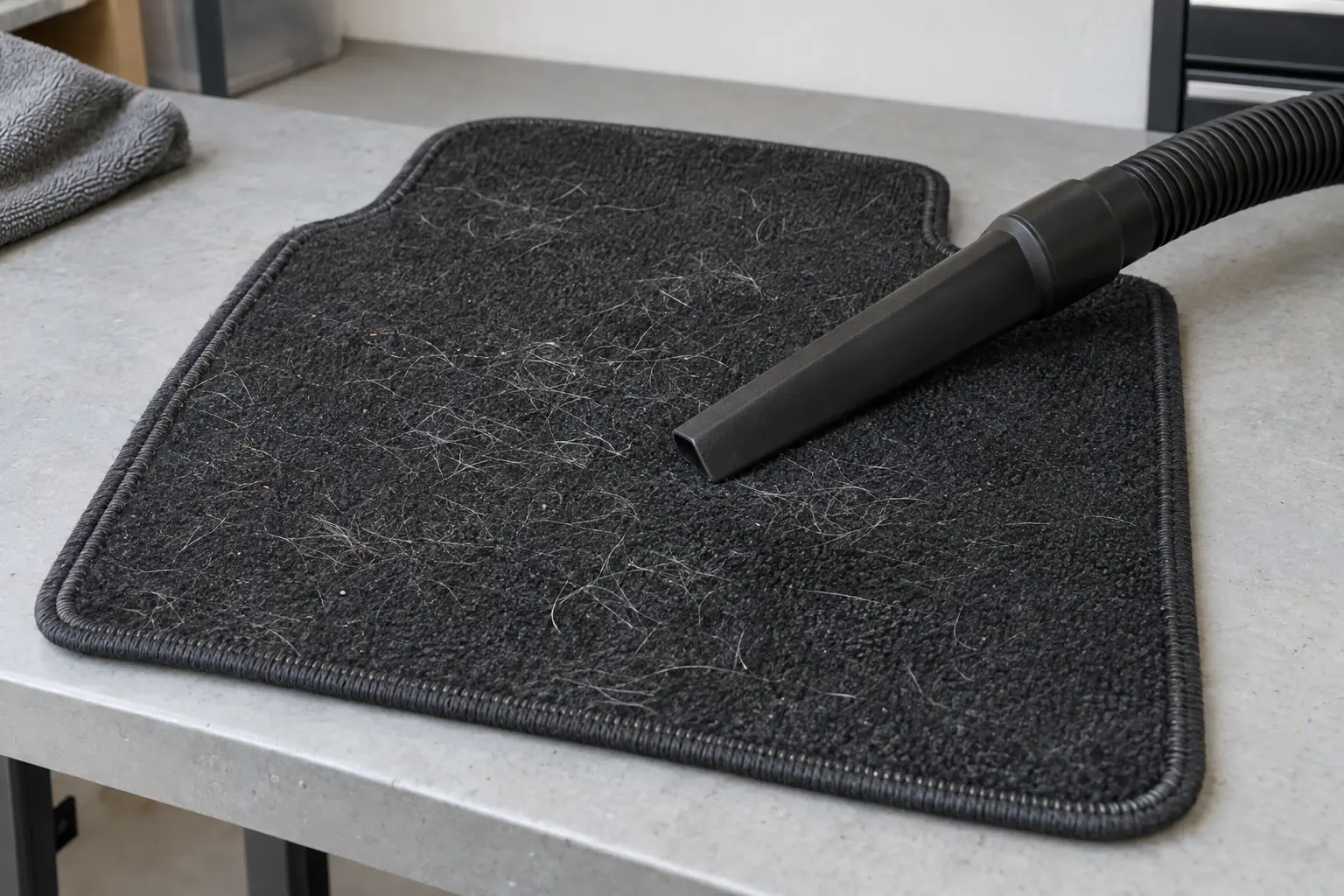
Agree on the areas and what “done” looks like
When you talk about focused hair removal, go area by area:
Scroll to see all columns.
| Area | What to ask |
|---|---|
| Floor and removable mats | Are both the mats and the floor underneath included? |
| Carpeted rear seatbacks | Will the backs get focused attention, not just the seats themselves? |
| Cargo floor, side carpet and edges | Which affected areas can actually be reached? |
| Seams and narrow gaps | What can be reached with a suitable method? |
| Anything behind fixed trim or components | Is it outside the detailing scope? |
Ask the detailer what they expect to improve and where some hair may remain. Ask whether the current quote covers the work they’re proposing, and how they’d bring up a condition-related change before doing extra work.
When the job’s done, look over the agreed areas together. If one looks missed, point it out and talk it through against what you agreed.
Agree three things before pet-hair work
Mention desert dust and any other problems too
Strong winds in the Las Vegas Valley can bring blowing dust and sand (National Weather Service climate summary). If your pet trips also leave gritty floors or cargo areas, show that alongside the hair.
Between visits, check the reachable areas after pet trips and use whatever routine care your car’s materials allow. Clean removable pet gear separately, following its care label. Let what you actually see be your cue.
Removing hair won’t solve every other interior issue, either. If there’s a lingering smell, mention it separately and see our guide to tracking down recurring car odors. If wet cleaning comes up for other dirt or stains, our comparison of steam, shampoo and extraction can help you talk through which materials suit each method and how drying will work.
Make your ZNT request specific
Send your vehicle details, the list of affected areas, wide and close-up photos, anything you’ve already tried and what matters most to you. Then ask: “What pet-hair work fits these surfaces, what might remain, and does the quote cover that?”
For the rest of the cabin, use our interior detail scope checklist, then contact ZNT for an assessment and current quote.