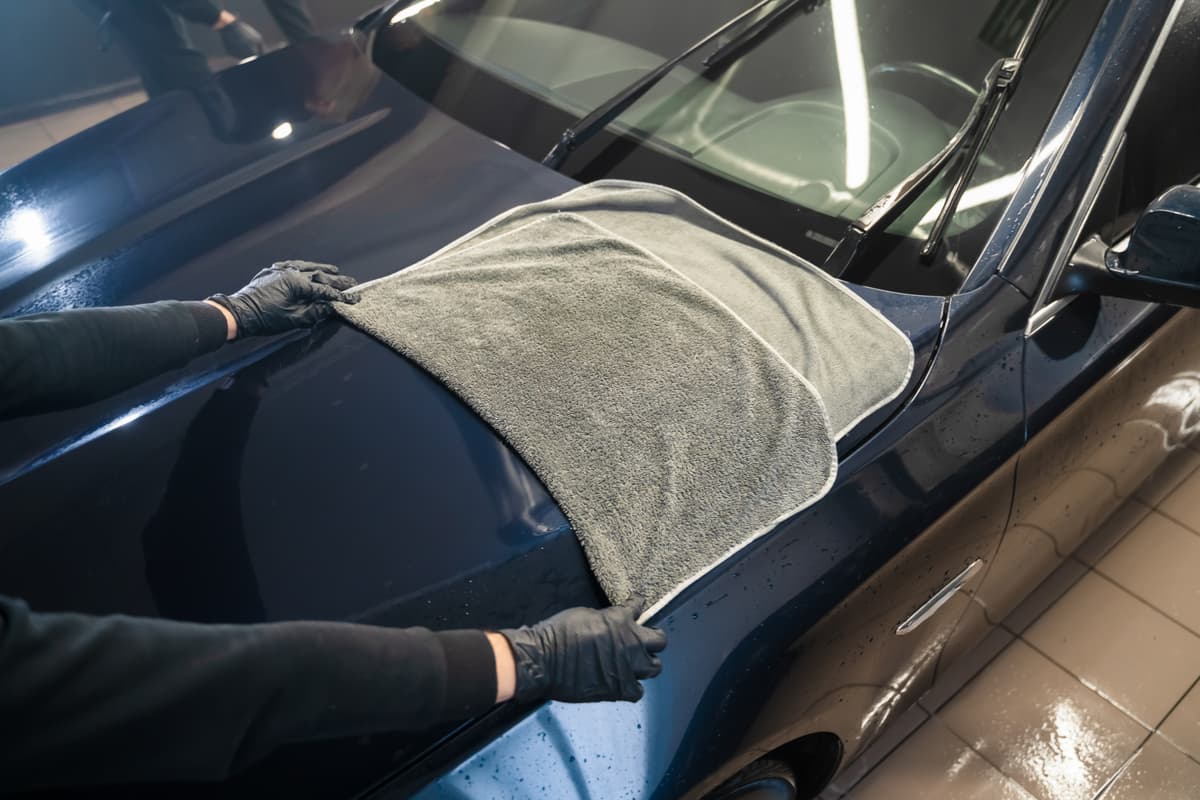
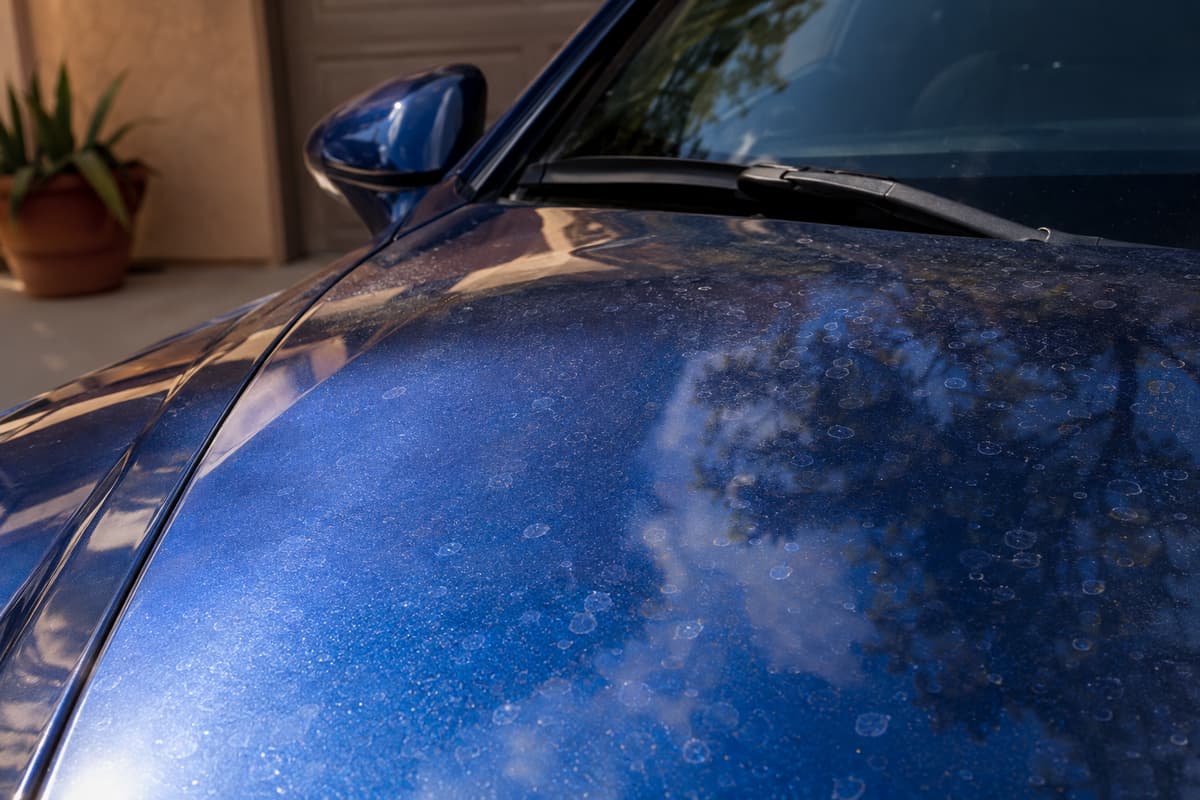
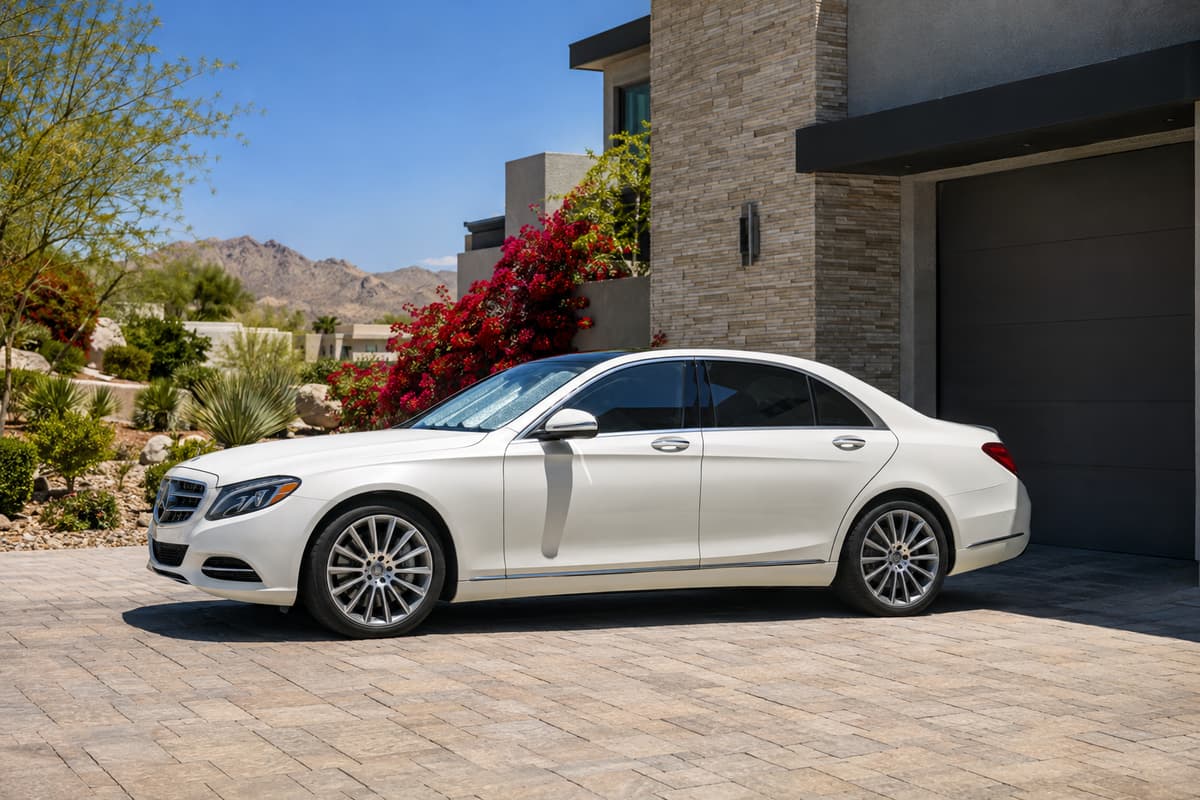
Found a bird dropping on your paint? Plan to get it off soon, using the care directions for your paint and any protection on it. Don’t attack it with a dry napkin, a fingernail or a scouring pad. If the car is hot or you don’t have the right supplies, work toward suitable conditions and a complete cleaning method, or contact the installer or a detailer for quick advice.
Tesla’s Model 3 manual specifically says to remove bird droppings and dead insects right away rather than waiting for the next full wash.
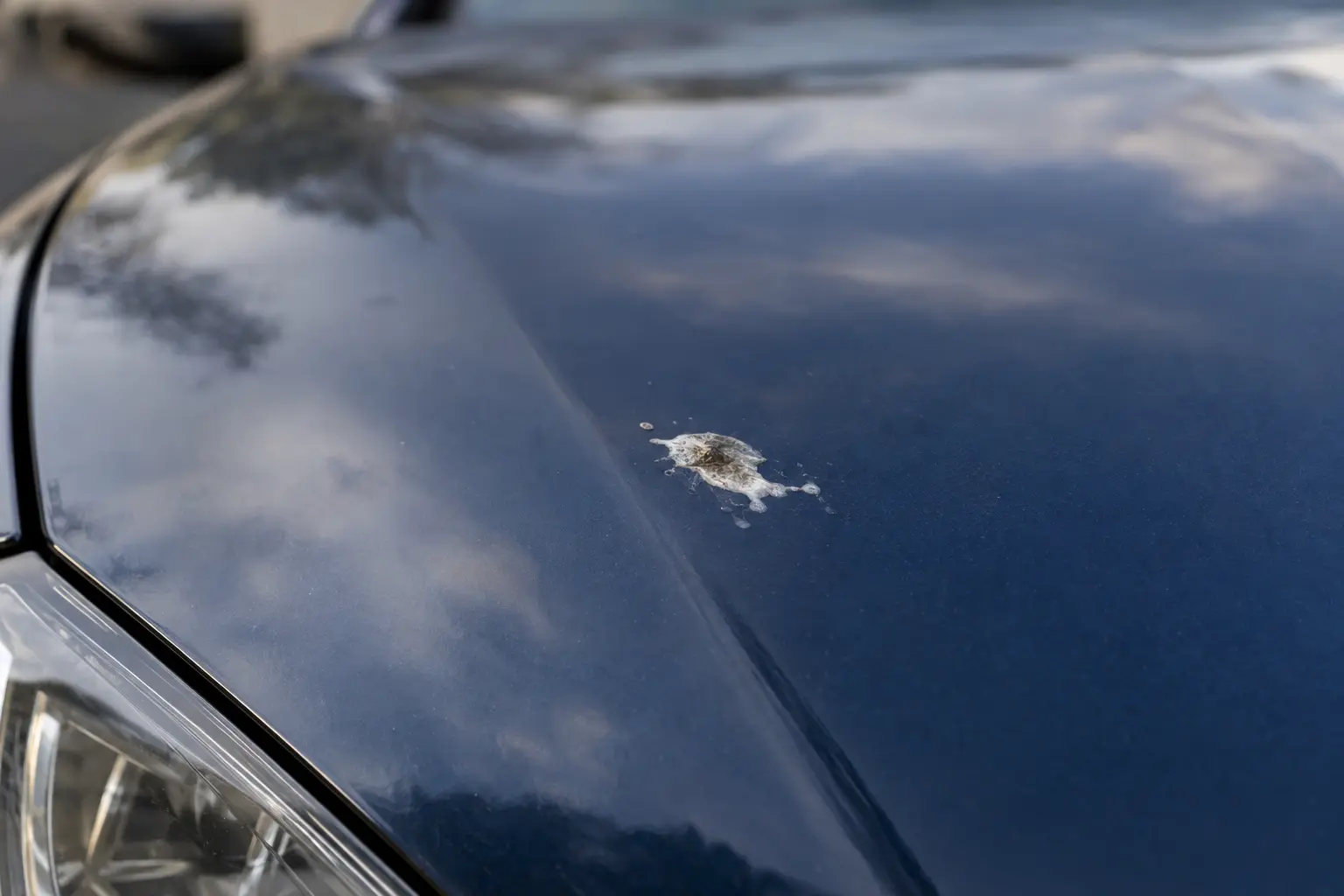
First, check what it’s sitting on
Look up the finish in your vehicle information and any installation paperwork. Gloss paint, factory matte or satin paint, a coating and paint protection film can each need different care, and you can’t tell which you have just by looking. Check nearby trim, lights and cameras too, so you know where a cleaner can and can’t go.
Hyundai’s US exterior-care instructions, for example, call for specific matte-paint products and restrict wax and polish. XPEL’s care page has separate instructions for its films and its FUSION PLUS coating.

If protection was installed recently, check its curing and washing restrictions before you try to remove anything. XPEL’s film guidance includes both an initial no-wash period and a reminder to deal with contaminants promptly. If that leaves you unsure, ask your installer how to handle it.
Handle a single dropping the right way
Las Vegas gets plenty of sunshine and hot summers, as the National Weather Service’s local climate summary notes, so check the conditions at the car itself. Parking in shade doesn’t automatically mean the panel has cooled enough for the product you’re using.
Hyundai’s exterior-care guidance says not to wash in direct sunlight or while the body is warm. Have everything you need to finish before you apply anything. Check the cleaner’s surface restrictions, how to apply and remove it, and whether it needs rinsing and drying.
Picture this: you come back from an errand to a dropping on a warm car, and all you have is a dry napkin. Don’t rub it. If you can, move to shade and get the clean tools and product your method calls for. If that’s not possible, contact a detailer or your protection installer promptly.
Can you finish the whole job now?
If anything is missing, get advice promptly or arrange a proper clean.
Once the conditions and supplies are right, deal with any loose grit before touching the spot. Then soften anything stuck on the way your method says, lift it off gently with a clean, suitable tool, and finish the rinsing (or product removal) and drying.
Fresh droppings still need a careful touch, and dried ones need softening, not harder rubbing. Autoglym’s Bird Dropping Wipes instructions, for example, say to let the deposit soften and warn that rubbing it dry may scratch paint. Hyundai also notes that plain water may not remove every deposit.
If you’ve already put cleaner on and conditions turn against you, stop adding product or starting new areas, and follow the product’s removal directions. If you can’t finish them, get advice quickly from the product maker, the installer or a detailer. Don’t switch to stronger chemicals, more applications or more force, and don’t leave the cleaner to dry on the car while you drive off or wait.
Bugs all over the front? Treat it as a bigger cleaning job
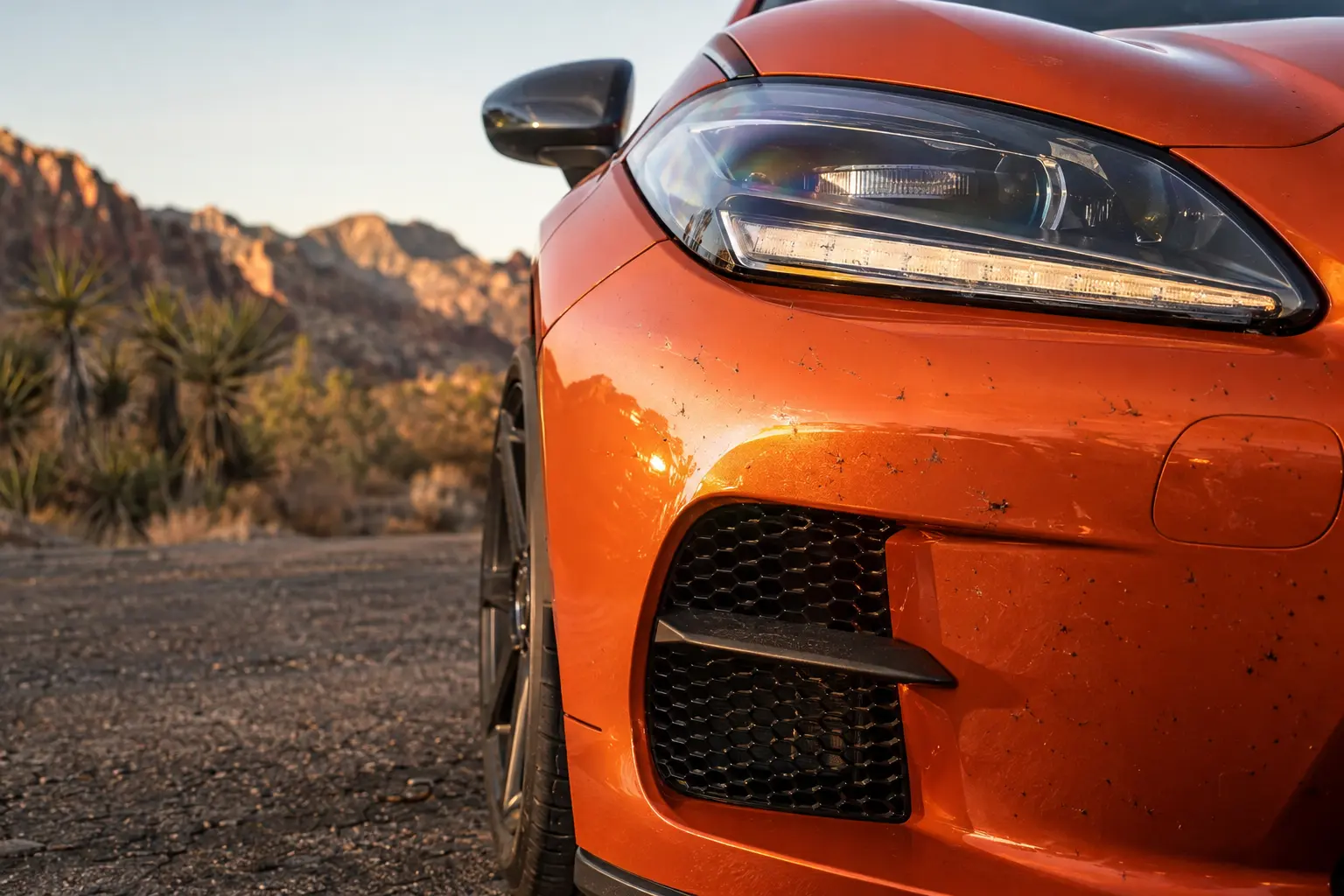
Dried bugs spread across the front of the car deserve a planned clean, especially if there’s road grit too. Spot-wiping the nose over and over takes you across paint, trim, lights and other parts that each have their own care rules.
Autoglym’s Active Insect Remover directions describe softening insect remains and specifically say not to use the product on hot surfaces. Check the product you actually have against your finish or protection; a “bug remover” label on its own isn’t enough.
If you can’t do the whole job at your apartment or wherever you usually park, find a suitable place to clean or book a service. Our wash-and-dry planning guide covers prep and finishing in more detail. A stubborn patch is a reason to rethink the method, not to grab an abrasive sponge or press harder.
When to stop cleaning and get it looked at
After you’ve finished all the cleaning and drying steps, look at what’s left. Residue that’s still there and a mark left behind once it’s gone are different things.
Stop escalating if the mark won’t go away or the paint or film looks different. XPEL’s FUSION PLUS guidance warns against aggressive contamination-removal or polishing products and sends questions to the installer. Matte paint and film aren’t automatically candidates for ordinary paint polishing. Skip the fingernail test, the heat gun and any homemade solvent or abrasive fix.
Give whoever assesses it what you already know: where and when you noticed the residue, the finish and protection, any installation date, what you’ve tried, and what’s left.
If the marks might be from rinse water or sprinklers instead, that’s a different problem; our separate hard-water-spot guide covers it.
Cut down on repeat visits, and ask for the right service
Pay attention to any parking spot that keeps getting hit, and look over the front of the car after highway drives when you can. For bigger-picture parking and protection choices, see our outdoor-care plan.
ZNT’s service overview lists hand washing within Mobile Detailing Service, and Paint Correction as a separate service. Say whether you need a single deposit cleaned, wider bug residue cleaned or a persistent mark assessed. ZNT’s service terms don’t guarantee removal of every contaminant or paint defect.
Tell ZNT about your vehicle, protection, observations and location to ask for a recommendation and a current quote. Ask whether correction suits your actual surface, rather than assuming every remaining mark needs polishing.