If your car lives outside, you don’t need a garage to look after it well. Start with where it sits during the day and what care you can realistically manage there. Use whatever shade you have, put a sunshade in the windshield while you’re parked, deal with droppings and spills promptly, and follow the care instructions for your paint, upholstery and any protection already on the car. Then, if a specific problem is left, choose a product or service for that.
Can’t change where you park, and a car cover isn’t practical? You still have good options. A suitable sunshade, quick attention to deposits and spills, and a workable place to clean and dry the car make a sensible starting plan.
Las Vegas’s National Weather Service climate summary describes plenty of sunshine, hot summers and episodes of blowing dust and sand. That’s why where you park, and where you can clean, matter here.
Start with where the car actually sits
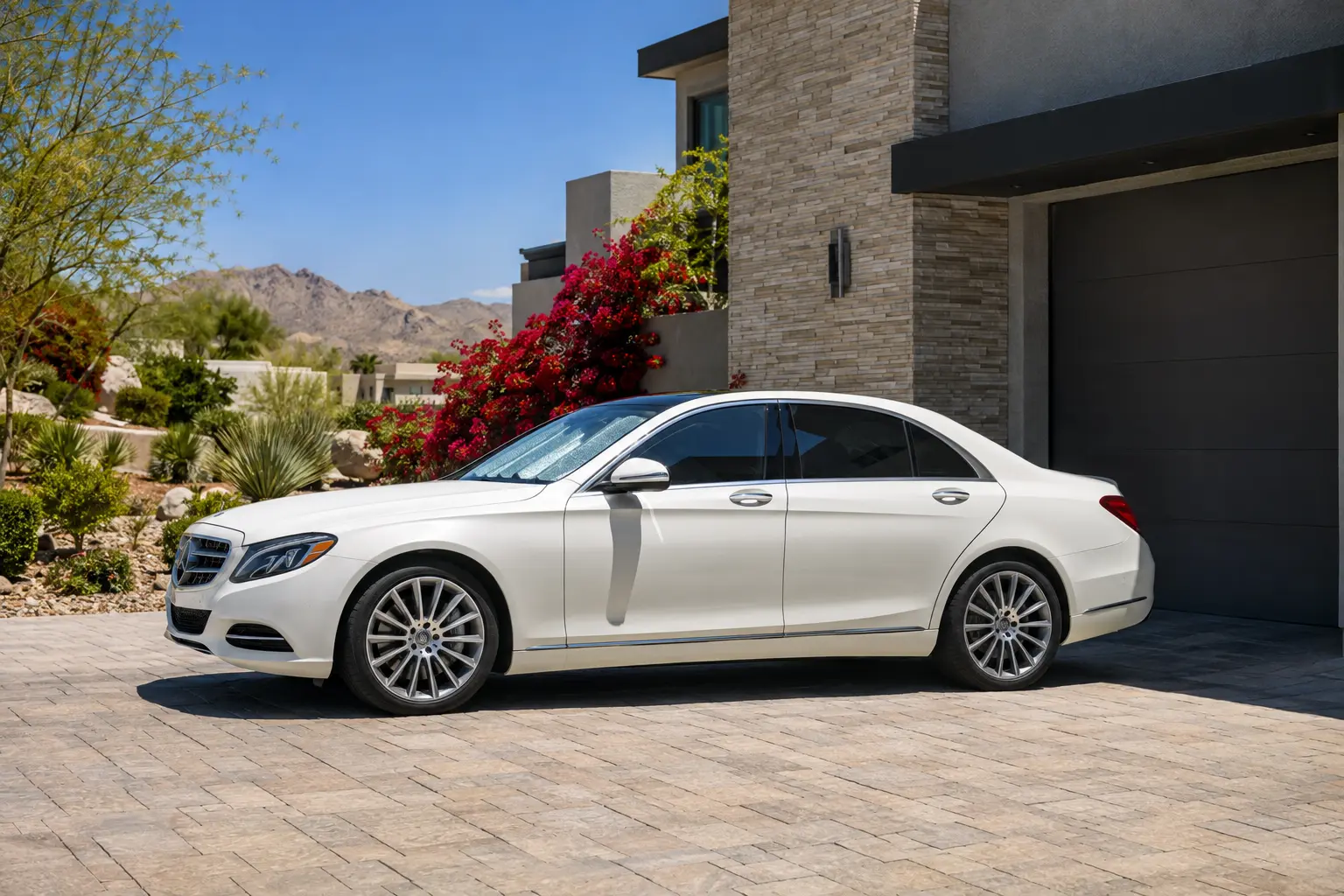
Think about home, work and errands separately. Note how long the car sits there in daylight, how much shade it actually gets during that time, and whether you could clean it there. A spot that’s shaded when you pull in may not be later, so take a second look later in the day. Trust what you see over any rule of thumb about direction or time of day.
Take a hypothetical commuter with covered parking at home and an open lot at work. Their most useful next step might be keeping a sunshade handy for work and finding a practical place to clean the car.
Map the parking you actually use
Shade and sunshades help, within limits
If a shaded space is available, use it. Tesla’s Model 3 hot-weather guidance recommends shade and a sunshade when parking outdoors in the sun. Mazda also recommends sunshades for long stretches of direct-sun parking in the genuine-leather section of its 2025 CX-50 HEV interior-care guidance. Pick a sunshade that suits your vehicle and follow its fitting instructions.
One safety point that has nothing to do with paint: NHTSA warns never to leave a child unattended in a vehicle. Shade or lowered windows don’t make it safe.
A car cover only works if you can keep up with it
A cover can be a poor fit for daily parking if you can’t prep the car, secure the cover or deal with the weather. Read both the vehicle’s and the cover’s instructions before you decide.
Coverking’s installation instructions, for example, call for a clean, dry vehicle, spell out handling and storage, and warn against relying on the elastic hem in wind. Covercraft’s instructions also cover securing the cover, flapping and recently repainted surfaces.
Before you use one, make sure:
- The cover is meant for your vehicle, your finish and outdoor use.
- You can handle the cleaning, drying, fitting and storage it requires.
- You know how to secure it, check on it and take it off when the maker’s weather limits say to.
- Nothing about your car changes the picture, such as a recent repaint, charging or another vehicle-specific rule.
Tesla, for instance, says a plugged-in Model 3 needs a Tesla-approved cover, because an unsuitable one can interfere with battery cooling.
Can a cover fit your routine?
Any “no” or “not sure” means leave the cover off until you can use it properly.
Back to our commuter. If they drive to a dusty work lot and can’t keep up with the cover’s prep, skipping the cover is a perfectly reasonable choice.
Give each care choice one job
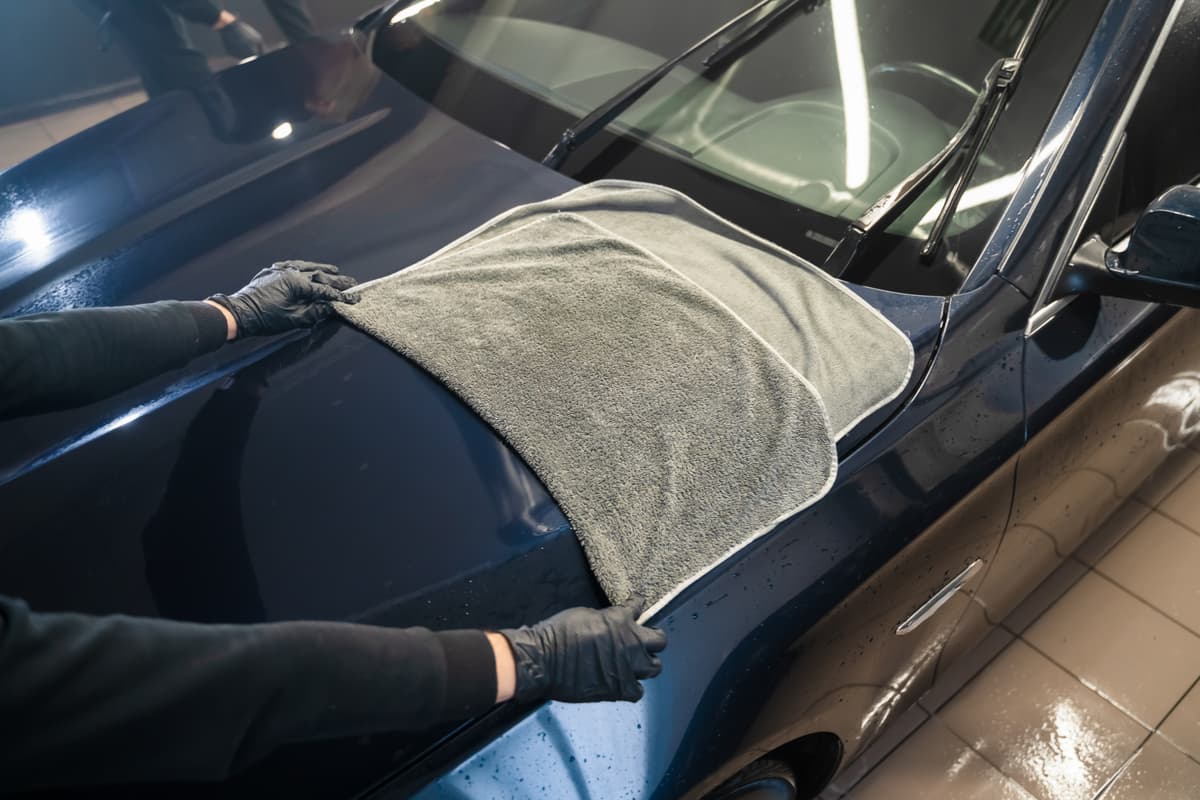
Cleaning deals with contamination. Bird droppings, tree sap, bugs and spills deserve prompt attention, not a wait for the next scheduled wash. Start with your vehicle’s cleaning instructions for that surface. Plan to finish the wash and dry the car properly; our guide to washing with Las Vegas hard water goes into that in detail.
Paint protection still needs care. XPEL’s FUSION PLUS aftercare instructions, for example, call for cleaning and complete drying, and note that tap water left to evaporate can leave mineral deposits. If you’re deciding whether a coating is worth it for you, see our coating-value guide.
Window film is a separate decision about glass. A film’s visible-light, UV and solar-energy numbers describe different things. The 3M Ceramic IR technical sheet, for instance, lists them separately and names the glass used for testing. Ask for the documents for the exact film you’re being offered. Our film-comparison guide covers the questions to ask before you buy.
Give each care choice a specific job
Scroll across to compare all columns.
| Care choice | Purpose and limits |
|---|---|
| Cleaning | Deals with contaminants and spills. Some marks need assessment; cleaning is not repair. |
| Paint protection | Understand the actual product and upkeep. Cleaning and drying still matter; no universal lifespan applies. |
| Window film | Check the actual film and test-glass specifications. A percentage is not a cabin-temperature promise. |
| Interior care | Follow instructions for each material. One product may not suit every cabin surface. |
Interior care depends on the material. A bottle labeled “protectant” isn’t automatically right for every surface in the cabin.
Match interior care to what’s actually in your car
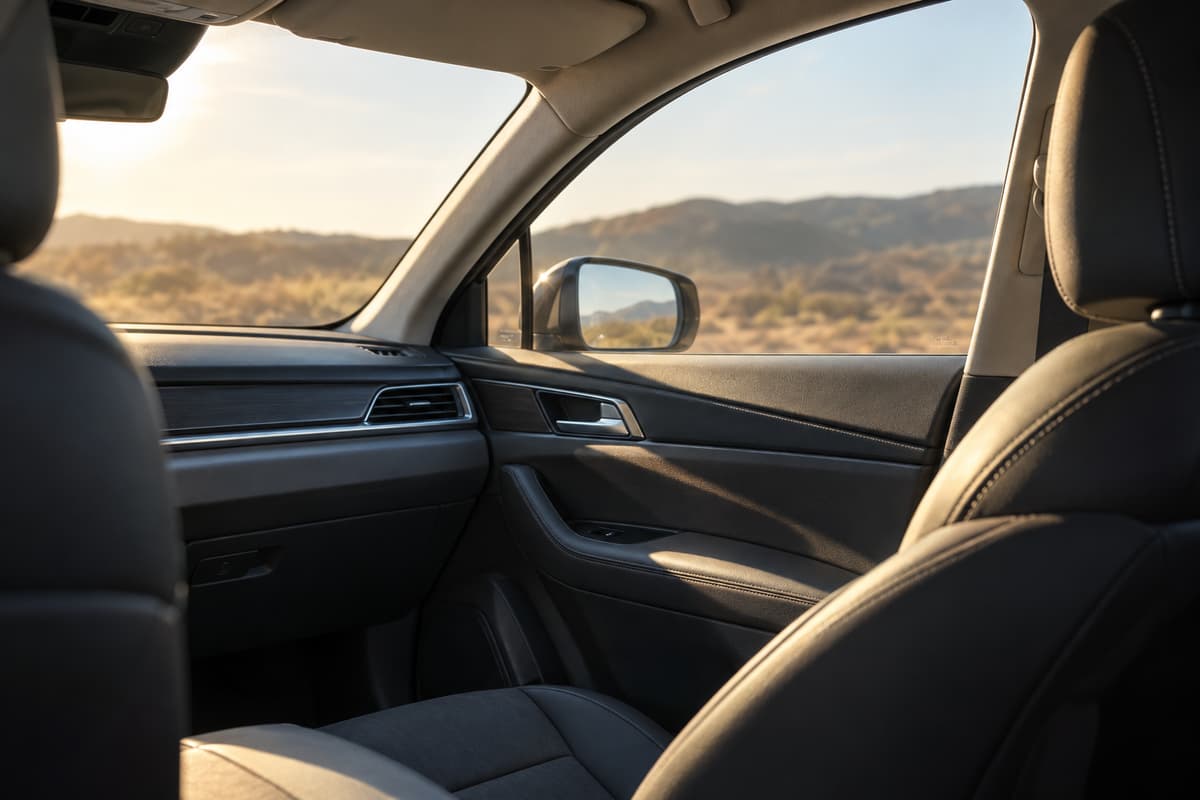
Check the manual or the material’s documentation before you pick cleaners or conditioners. Mazda’s interior guidance treats fabric, synthetic leather, genuine leather, the dashboard and displays separately. Tesla’s cleaning guidance warns against polishing the upper dashboard because reflections can affect your view of the road, and it discourages conditioners or protectants on its specified seat materials.
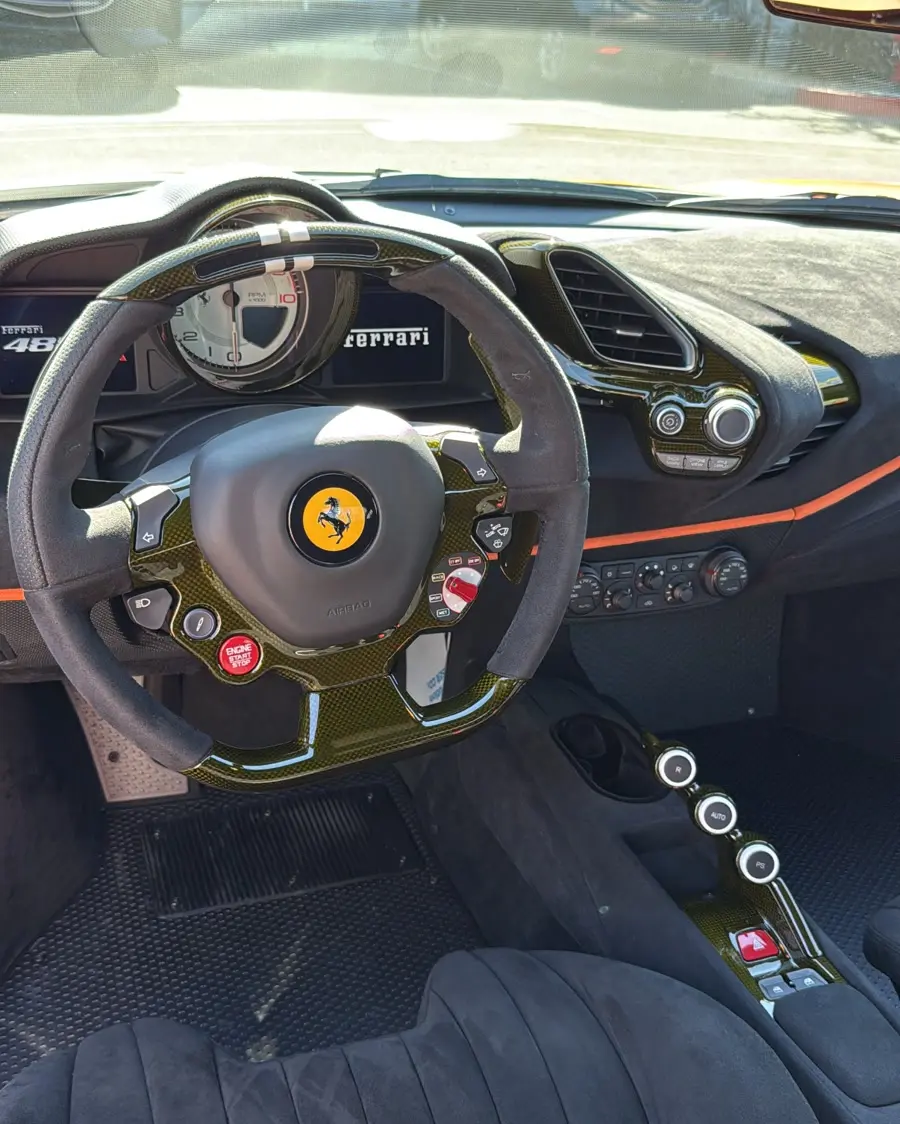
While you’re checking the interior, look for loose dirt, spills and residue, then follow the right instructions for each. Don’t guess the material from its color or shine. If you drive a convertible, check the roof’s instructions too; our soft-top guide covers that separately.
Pick one next step, then get the right help
Back to the commuter one last time. Their first change might be a suitable sunshade and a confirmed place to wash and dry the car. The next question is whether existing contamination or a specific comfort problem calls for professional help. Our maintenance guide helps you set cleaning triggers based on the car’s condition.
Marks that won’t come off may need a closer look at the finish and the cleaning method. Peeling paint or cracked, worn interior materials may need a body shop or an interior repair specialist. A detail, coating or conditioner shouldn’t be sold to you as a repair.
ZNT’s service overview groups interior and exterior care under Mobile Detailing Service, with Ceramic Coating and Window Tinting offered separately. Ask which service and scope, if any, fits the problem you want solved; a car parked outside doesn’t automatically need every service.
Tell ZNT about your vehicle and location, its current condition and protection, and where it sits during the workday. Ask for a service recommendation and a current quote, plus the product and aftercare details you’ll need to keep up with your choice.