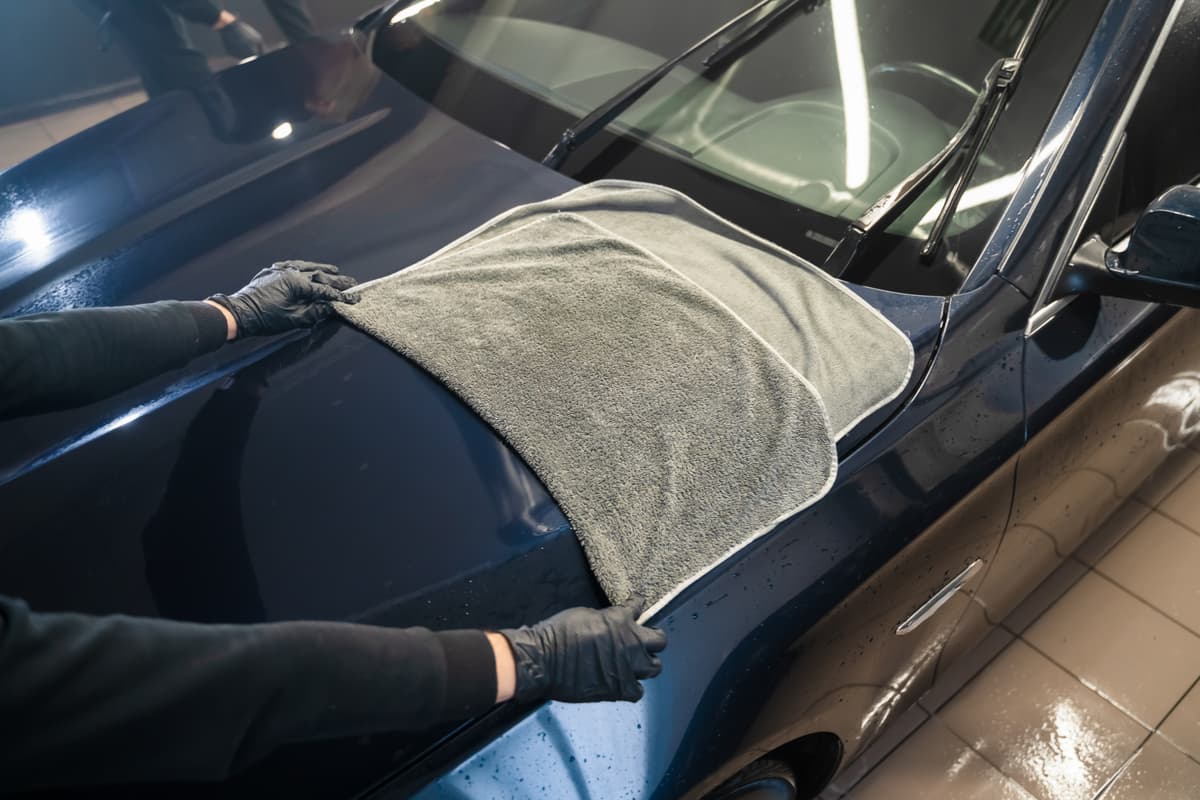
For everyday residue on exterior glass, start with a complete routine: wash off loose grit, clean the glass while it’s cool with clean, suitable materials, and finish the cleaner’s removal and drying steps. Pressing harder or adding more product isn’t the next step for every leftover mark.
If the windshield looks clear when dry but has smeared in the wet before, keep that on the list; looking fine dry doesn’t settle a wet-weather wiping problem. If visibility isn’t good enough, sort that out before driving.
Start by describing what you see
Note which window is affected and whether the mark is on the outside, the inside, or you’re not sure. Then think about when you’ve noticed it:
Scroll to see all columns.
| What you notice | Worth writing down | What it doesn’t tell you |
|---|---|---|
| Streaks after cleaning | The cleaner you used, the towel’s condition, and whether you finished removing and drying it | That you need a stronger cleaner |
| Smears when wet or along the wiper path | Any known blade problems, your washer fluid and any glass treatment applied | Whether the glass, the blades or something else is causing it |
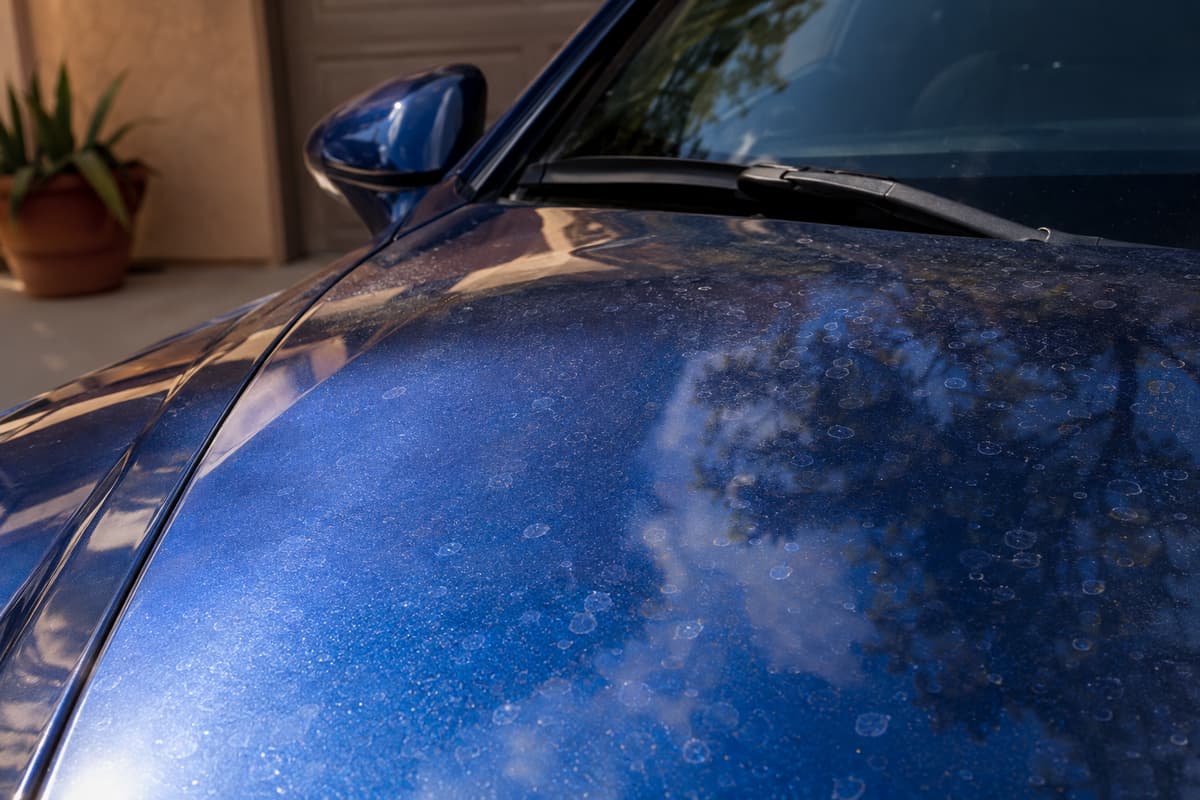
| Spots still there after a proper wash | Sprinkler or wash-water exposure, and earlier treatment attempts | What the deposit is, or whether the glass is damaged |
If you can’t tell which side the mark is on, or what treatment is on the glass, find out before using the exterior routine below.
Local water is worth asking about. The Las Vegas Valley Water District explains that local hard water contains dissolved minerals and can leave residue as it evaporates, so sprinkler overspray and wash water are fair questions.
Know what’s on the glass before you clean it
A windshield may have an exterior coating or protection film, while tint sits on another surface, and you can’t reliably tell what was installed just by looking. Check your vehicle’s instructions and the product’s own care guidance, and ask the manufacturer or installer if you’re unsure.
For example, XPEL’s product-care page gives separate instructions for windshield-protection film and window tint. A cleaner labeled for glass still has to suit whatever’s installed and how it was applied.
Your car may have its own restrictions, too. The current US Model 3 cleaning manual rules out scraping and abrasive glass-cleaning fluids and restricts front-windshield treatments. It has separate guidance for camera lenses and the glass inside the front-camera enclosure. Permission to use glass cleaner on a window doesn’t carry over to exposed camera lenses.
Each part has its own care rules
- Exterior glass
Check vehicle instructions and any film or coating.
- Wiper rubber
Use care that suits the blade rubber.
- Washer reservoir
Use only the washer fluid the vehicle specifies.
- Cameras and enclosures
Follow their separate vehicle instructions.
A complete routine, with clean materials
Las Vegas sunshine, summer heat and windblown dust, all described in the National Weather Service’s local climate overview, make the setup matter. Pick a spot where you’re allowed to work and conditions where the glass can be cleaned as directed.
Once you know what your car and any installed products require:
- Get ready before you apply anything. Park safely, follow your car’s cleaning setup and wiper precautions, and have the permitted product and clean materials on hand. Work on cool glass in suitable conditions. If you can’t finish the removal and drying steps, wait for another chance before you start.
- Get loose dirt off first. Don’t start by dragging a dry finishing cloth through dusty grit. Use the washing prep that suits your car; our wash, rinse and dry planning guide covers that whole-car decision.
- Keep cleaning and finishing cloths separate. Use clean, suitable glass cloths and keep dry finishing material handy. Swap out a dirty or soaked cloth as needed. Autofiber’s towel guide explains these roles, plus the value of working in manageable sections with clean towel faces.
- Follow the product all the way through. Use its application, removal and drying directions, within the limits of your car and any treatment. Invisible Glass’s spray instructions, for example, call for a wet wipe followed by complete drying with fresh material. If conditions change, remove cleaner that’s already on the glass as its directions say, rather than leaving it to dry while you plan.
- Check your work while parked. Look for remaining streaks in ordinary, decent light. Don’t keep rubbing harder at a mark that won’t shift.
When the wipers keep smearing
Look at the windshield and the wiper rubber separately. Tesla’s US Model 3 wiper guidance lists contamination on either one as a reason wipers may not clear well, and it separates compatible cleaning of those surfaces from the washer-fluid requirements. If your blades aren’t working well or are damaged, follow your own car’s maintenance route.
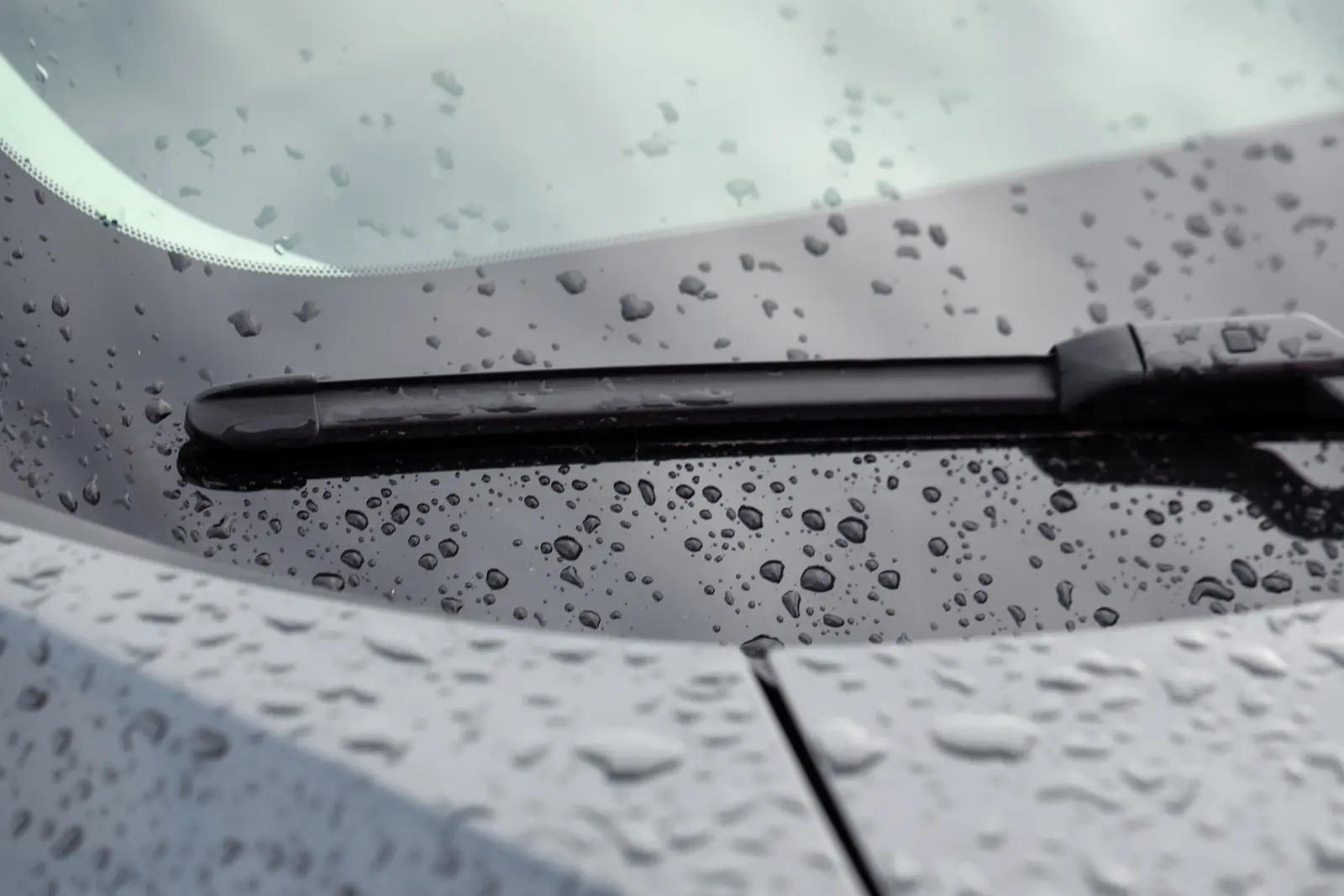
Make a note of any treatment already on the glass before adding something else. Gtechniq’s G1 FAQ discusses wiper streaking and judder with its own coating.
If you’re choosing a wash for the future, ask which extra products it applies and check them against your instructions. Our wash-method comparison explains how to judge the actual process.
When to stop cleaning and get help
Spots that won’t go away need assessing, not an escalation to scrapers, abrasive pads, steel wool, acids, solvents or glass polish. Our guide to water spots and possible etching explains the difference between noticing a mark and deciding what it is.
Glass damage, wipers that keep failing to clear, unidentified protection-film concerns or camera problems may need a glass specialist, the installer or a vehicle-service provider.
For an ordinary cleaning job, look at ZNT’s detailing services and ask whether the proposed work covers the specific exterior window and any known treatment on it. For a recommendation and current quote, send ZNT the details: your vehicle, which glass is affected, when the problem shows up, any known products, what you’ve already tried and your location.