There’s no single full-detail schedule that fits every car in Las Vegas. What works better is a simple routine built on three things: the care instructions for your car and any protection on it, a regular reminder to actually look at the car, and quicker action when a spill or something like bird droppings can’t wait.
If your manual or product instructions set a maintenance or inspection interval, stick to it. Checking the car doesn’t mean you have to book another full detail.
Four different jobs, not one big one
“Detailing” covers a lot. For ongoing care, think in four separate jobs:
- Look: Check the outside and the cabin, notice what’s changed and find any care instructions that apply.
- Clean as needed: Do or arrange suitable cleaning for the areas that need it, and keep any required maintenance dates.
- Deal with events: For a spill, a listed contaminant or a visibility problem, follow the relevant guidance right away instead of waiting for your reminder.
- Get it assessed: For a stubborn mark, an unfamiliar material or a question about your protection, ask before choosing more treatment.
You won’t always need all four, and they aren’t steps in a set order. A look might turn up nothing; the cabin might need a cleanup while the outside is fine; a paint concern may need assessing before anyone can say what would help.
Four tasks. No compulsory sequence.
- Look for changes
Notice the exterior and cabin; record changes and check care instructions.
- Clean where needed
Arrange compatible cleaning while retaining applicable maintenance dates.
- Respond to events
Follow relevant guidance promptly for spills, contaminants or visibility concerns.
- Assess unresolved concerns
Ask about persistent marks, uncertain materials or protection before more treatment.
If you’re deciding what kind of work the car needs right now, see car detailing vs. a car wash. This guide is about when to look again and how to respond over time.
Start with the instructions you already have
Begin with your owner’s manual and the care instructions for your paint, interior materials and any installed protection. Note any stated intervals or inspection requirements separately from your own reminders.
For example, Hyundai’s 2025 Sonata exterior-care guidance says to wash at least monthly and after off-road driving, and to remove certain deposits promptly. It shows how a regular schedule and quicker action can work side by side.
Installed protection can come with its own rules. XPEL’s FUSION PLUS coating instructions include maintenance guidance and an annual inspection by the original certified installer to keep the warranty. An annual product inspection isn’t the same thing as an annual deep detail.
If you don’t know which product is on the car or what its instructions say, ask the installer or manufacturer before choosing a treatment. Time passing, or water beading differently, isn’t by itself a reason to book polishing or replace the coating. Keep the actual instructions with your care record. For the washing side, see how to wash a ceramic-coated car.
Let where you park and drive guide what you check
Your car’s exposure isn’t limited to your driveway. Think about where it sits at work, the routes you drive and what goes on inside it.
The National Weather Service’s Las Vegas climate overview describes hot summers, windy stretches with blowing dust and sand, and monsoon moisture and thunderstorms. Those are good reasons to look at your car’s actual condition.

Keep the check specific. What’s on the outside? What’s happened in the cabin? Has your parking or driving changed since your last care decision? And look without rubbing: Hyundai’s exterior-care guidance warns against wiping dust or dirt off with a dry cloth. For washing methods, see dust-safe washing in Las Vegas.
Some things shouldn’t wait for your next check
Your reminder date isn’t a safe waiting period for every problem. Tesla’s Model 3 cleaning guidance says to remove certain corrosive substances, including bird droppings, without waiting for a full wash. It also calls for frequent interior inspection and cleaning, and for wiping up spills promptly when possible.
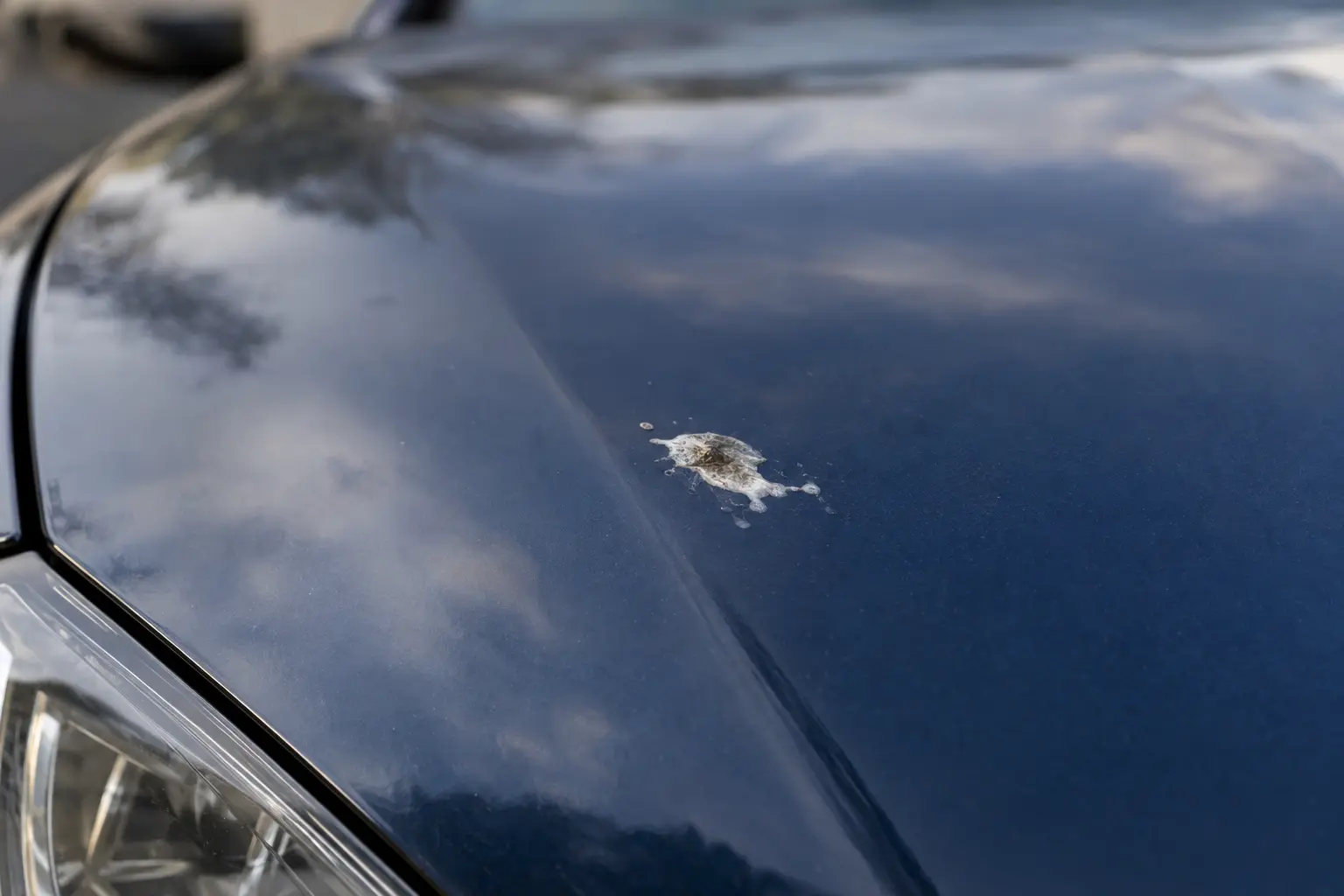
Follow the instructions for your own vehicle and surfaces. If you’re unsure, get proper advice soon rather than saving the question for your next appointment.
Visibility and cameras deserve their own attention. Tesla’s manual covers keeping cameras unobstructed and how to clean them. If your view or a camera is blocked, sort it out following your vehicle’s instructions before you rely on it.
If a mark is still there after the right care, note it and ask for an assessment.
Three sample routines to borrow from
The outdoor commuter. Pick an easy cue, like a quick look once you’re safely parked after your regular commute. Notice deposits and any change in where the car sits at home or work. Arrange suitable cleaning when condition or instructions call for it, and handle urgent issues separately. If ordinary buildup keeps beating your check, move the reminder earlier; a new parking spot is another reason to revisit it.
The garage-kept, occasional driver. Look before and after outings, and keep the actual maintenance dates where you’ll see them. Notice what the drive changed outside and what passengers left inside. If you start driving more often, rethink your reminder.
The car with frequent passengers, pets or messy trips. Use the end of those trips as your cue to check seats, mats and the spots people touch. Deal with spills promptly using the right guidance for the material, and arrange suitable cleaning when cabin grime builds up. Judge the outside on its own. If the cabin keeps outpacing your reminder, adjust that check rather than automatically adding exterior service.
Adapt the observation cue to your use
Scroll across to compare all columns.
| Example routine | What to notice | When to adjust |
|---|---|---|
| Outdoor commuter: while safely parked after a commute | Deposits and exposure at home or work | Revisit the reminder if buildup arrives earlier or parking changes. |
| Garage-kept occasional driver: before and after outings | Exterior changes and what passengers leave inside | More frequent outings may need a different reminder. |
| Frequent cabin use: after passengers, pets or mess | Seats, mats and touch points; exterior needs separately | Adjust if cabin buildup arrives sooner. Handle spills promptly. |
Keep a short care record
Pick a reminder you’ll actually keep, like a regular moment when the car is parked. Then jot down enough to make the next decision easier:
- Instructions for your vehicle, materials or products, and the actual care or inspection dates
- What you noticed inside and out, including anything that happened
- What care was done, and when
- Any open question or lingering concern
- When your next check is, and why you changed it if you did
Keep instructions and reminders separate
If not much changes between checks, you can rethink your own reminder. The point is to make each look useful, not to find a calendar that overrides the car’s needs.
ZNT’s published services include interior and exterior detailing. To talk about ongoing care, send ZNT’s contact team your vehicle, its current condition, any known protection, and where and how you usually park and drive. Ask what scope fits and what still needs an in-person look.