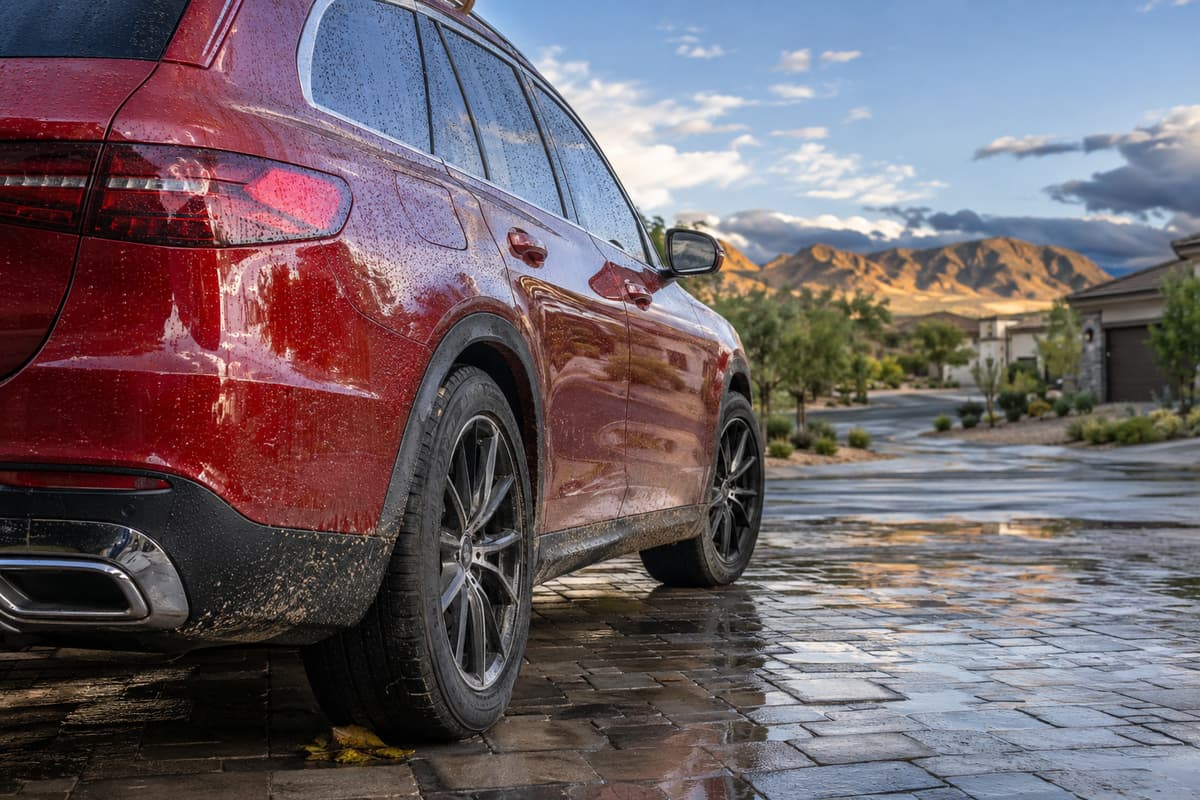
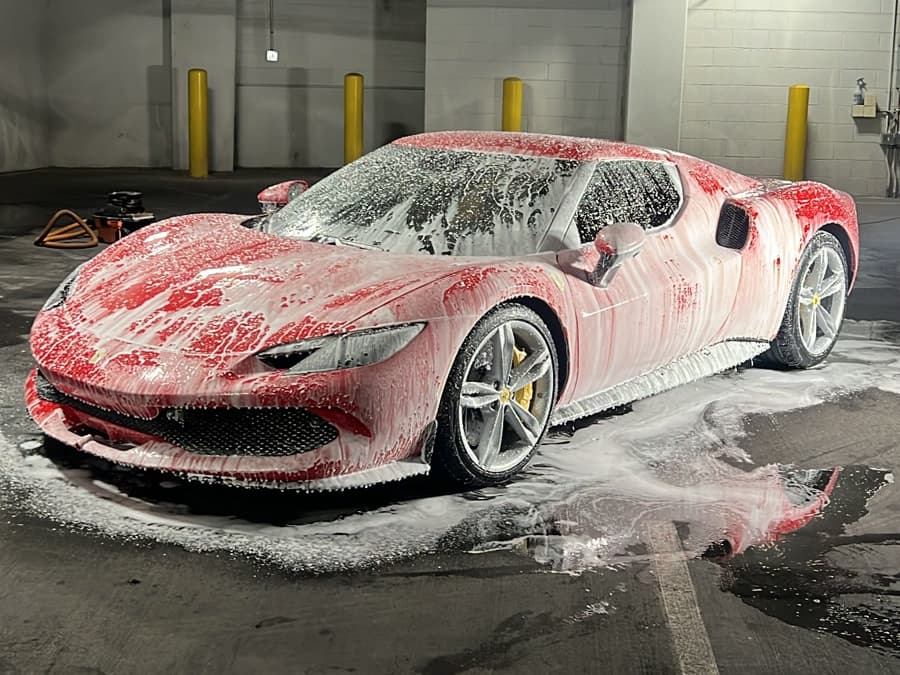
You washed the car yesterday, and today there’s a fine layer of dust on the hood. The urge is to grab a towel and wipe it off. Don’t. Wiping dust off with a dry cloth can scratch the paint.
If it’s just the usual light dust on otherwise clean paint, it’s perfectly reasonable to leave it until you can wash the car properly.
Some things shouldn’t wait, though. Bird droppings, stuck bugs, sticky residue and a dirty window or camera need prompt cleaning, done the way your vehicle’s instructions say. Tesla’s Model 3 cleaning guidance, for example, treats corrosive contaminants and blocked cameras differently from everyday appearance.
Look before you touch
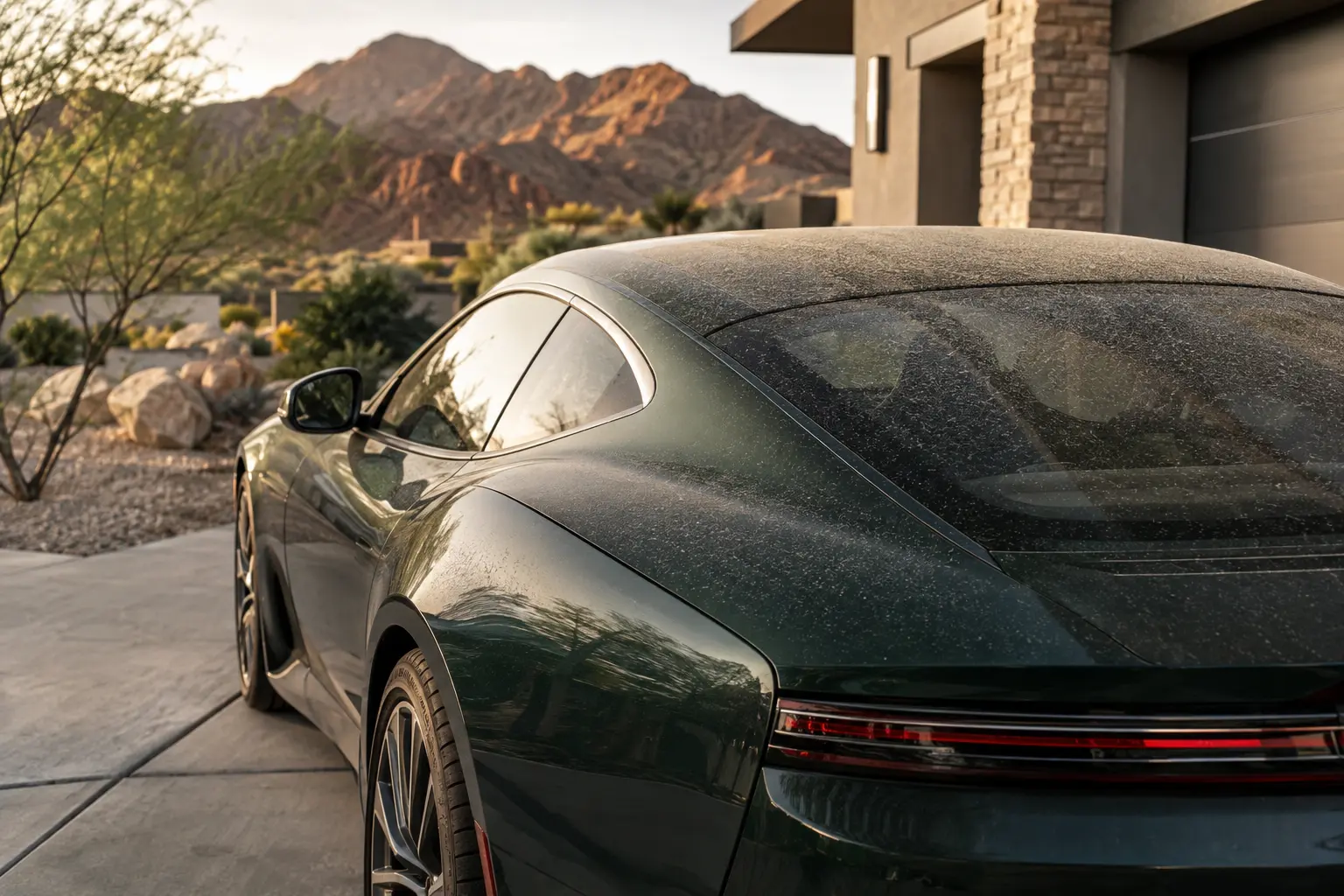
A dusty hood the day after a wash doesn’t mean the paint needs polishing. Start with what happened to the car and what you can see. Don’t run a finger or a dry towel across it to check whether it feels gritty; that’s exactly the rubbing you’re trying to avoid.
Scroll to see all columns.
| What you see | What to do |
|---|---|
| Droppings, bugs, sticky marks, or a spill or fallout you know about | Clean it promptly, following the instructions for that surface. Ask for help if you’re not sure what it is or what finish you have. |
| A window or camera you can’t see through | Clear it first, using that part’s own cleaning instructions. Paint-care shortcuts aren’t camera-cleaning instructions. |
| Grains, clumps, mud, dirty runoff or a powder you don’t recognize | Use a suitable wash or have someone look at it. You can’t tell by eye whether it’s safe to wipe. |
| Just the usual light dust on otherwise clean paint | Wait until conditions suit a proper wash, or use a complete method that’s approved for your finish and for the dirt that’s actually there. |
If the dust came with a big windstorm or dirty rain, start with our storm-cleanup checklist instead.
Look first, then decide
Droppings, bugs, sticky residue or blocked glass/camera
Follow the instructions for that surface or part promptly. Ask for help if you are unsure what it is.
Grit, clumps, mud, dirty runoff or unknown powder
Use a suitable wash or get advice. Appearance alone cannot show whether it is safe to wipe.
Usual light dust, with none of the signs above
Wash when conditions suit or use a complete method approved for the finish.
Why even a soft, dry towel is a bad idea
Dust is a regular visitor here. Las Vegas’s National Weather Service climate summary describes plenty of sunshine, hot summers and episodes of blowing dust and sand. So the dust will keep coming back, and heat and sun limit when you can clean. That still doesn’t mean a daily wipe-down.
“Soft” isn’t enough on its own. Hyundai specifically warns against wiping dust or dirt off the body with a dry cloth in its 2025 Sonata exterior-care instructions. Mazda’s 2023 CX-5 appearance-care guidance also lists dry or dirty cloths, and washing before the dirt has been rinsed away, as ways to scratch the paint.
What matters is the whole process: getting the grit off first and using clean tools. A “microfiber” label doesn’t make a wipe safe, and neither does a car that doesn’t look very dirty.
Rinse, rinseless or waterless?
A regular wash follows your vehicle’s own rinse, wash and dry steps. If your manual says to rinse grit off first, don’t skip that because a product label makes broad safety claims. For a wider comparison of hand, touchless and tunnel washes, see our guide to choosing a wash method.
A rinseless wash still uses a liquid cleaning solution. The Optimum No Rinse Version 6 directions, for example, spell out the dilution, cleaning one section at a time and drying, and heavy mud or caked-on dirt calls for different prep. “No rinse” doesn’t mean wiping a dry car, skipping the drying or guessing at the mix.
A waterless wash has its own instructions and limits. Meguiar’s UK FAQ says its Ultimate Waterless Wash & Wax isn’t for muddy or gritty cars, and it uses separate towels for picking up dirt and for the final buff. A general detailing spray isn’t a stand-in for a proper cleaning method.
Read the current label alongside your vehicle, coating or film instructions, and if they disagree, check with the manufacturer or installer before you start.
Get set up before you touch the paint
Before any between-wash cleanup, check four things:
- Conditions: Work somewhere sheltered, on a surface that has cooled down. Hyundai advises against washing a warm car or washing in direct sun. Go by the actual conditions, not a set time of day.
- Compatibility: Know what finish and protection are on the car. If you’re not sure, ask before trying a new product.
- Tools: Have clean, suitable tools ready and keep used towels separate. Don’t flip a dirty cloth over and call it clean just because you’re in a hurry.
- Time to finish: Make sure you can complete the whole process, drying included. If you can’t follow the instructions properly, put off the cosmetic cleanup or book a proper wash.
Set up before touching the paint
If the result isn’t right, don’t make up for it with more pressure or more scrubbing. Stop if dirt stays put or the surface does something unexpected.
Dark paint and coatings still need a gentle touch
A dark car can make every speck feel like a problem. Mazda notes that scratches are more noticeable on darker finishes. Chasing every bit of dust with a towel just adds more contact.
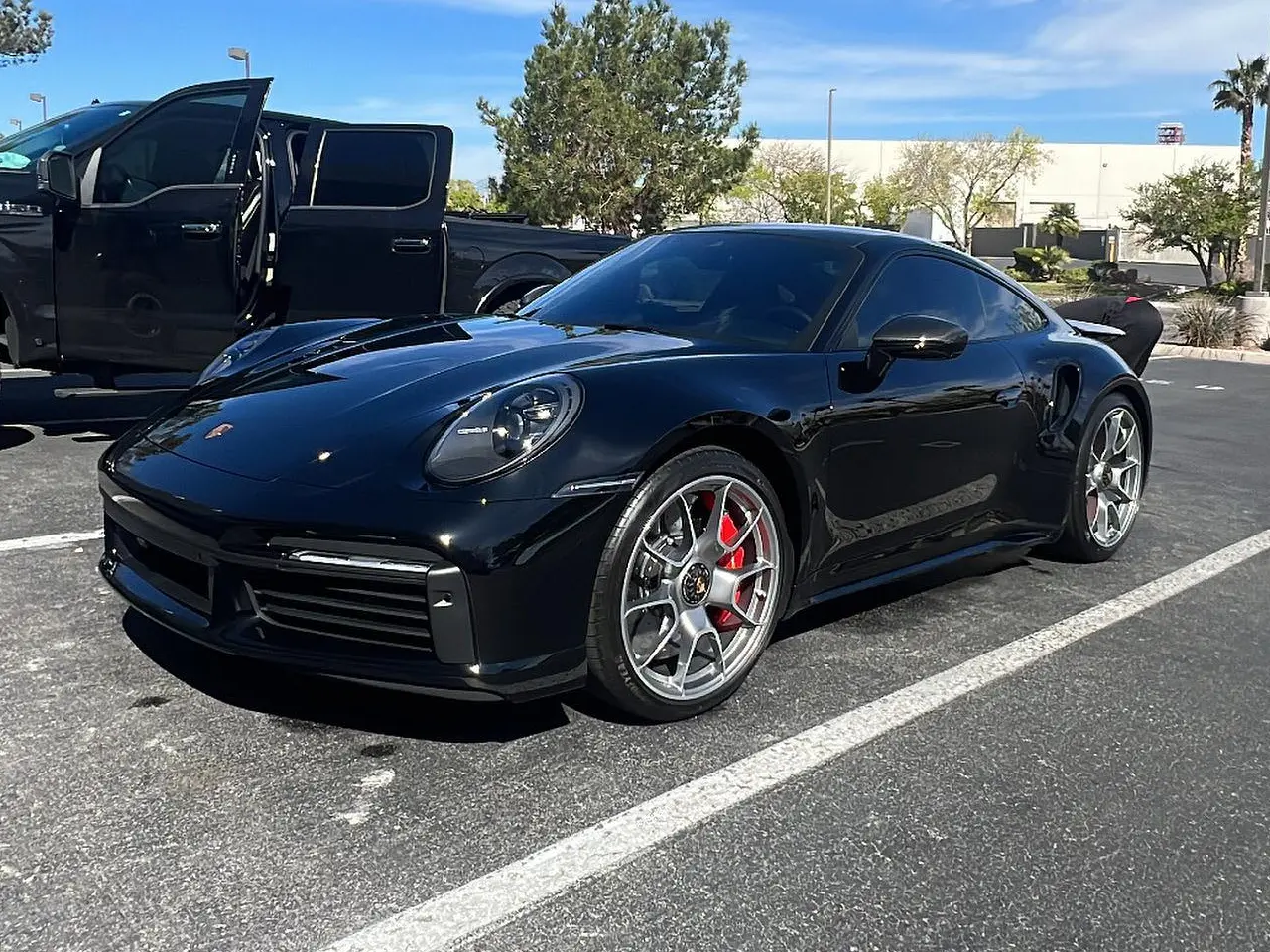
Protection comes with care rules too. XPEL’s FUSION PLUS instructions, for example, include cleaning, drying thoroughly and avoiding aggressive wiping. Follow the instructions for whatever product is actually on your car. A coating isn’t a reason to skip proper maintenance, and it won’t keep a car dust-free forever.
When to call in help
For a longer-term routine, see our condition-based maintenance guide. If marks are still there after a proper cleaning, have them looked at rather than assuming more cleaning or polishing will fix them.
ZNT includes hand washing in its Mobile Detailing Service. If dust keeps coming back, ask what cleaning and between-visit care suits your finish. You don’t have to assume you need paint correction or a coating package.
Tell ZNT about your vehicle and location, what protection it already has, where it’s parked and what you’re seeing now. Clear photos and your care instructions make it easier to get a service recommendation and a current quote.