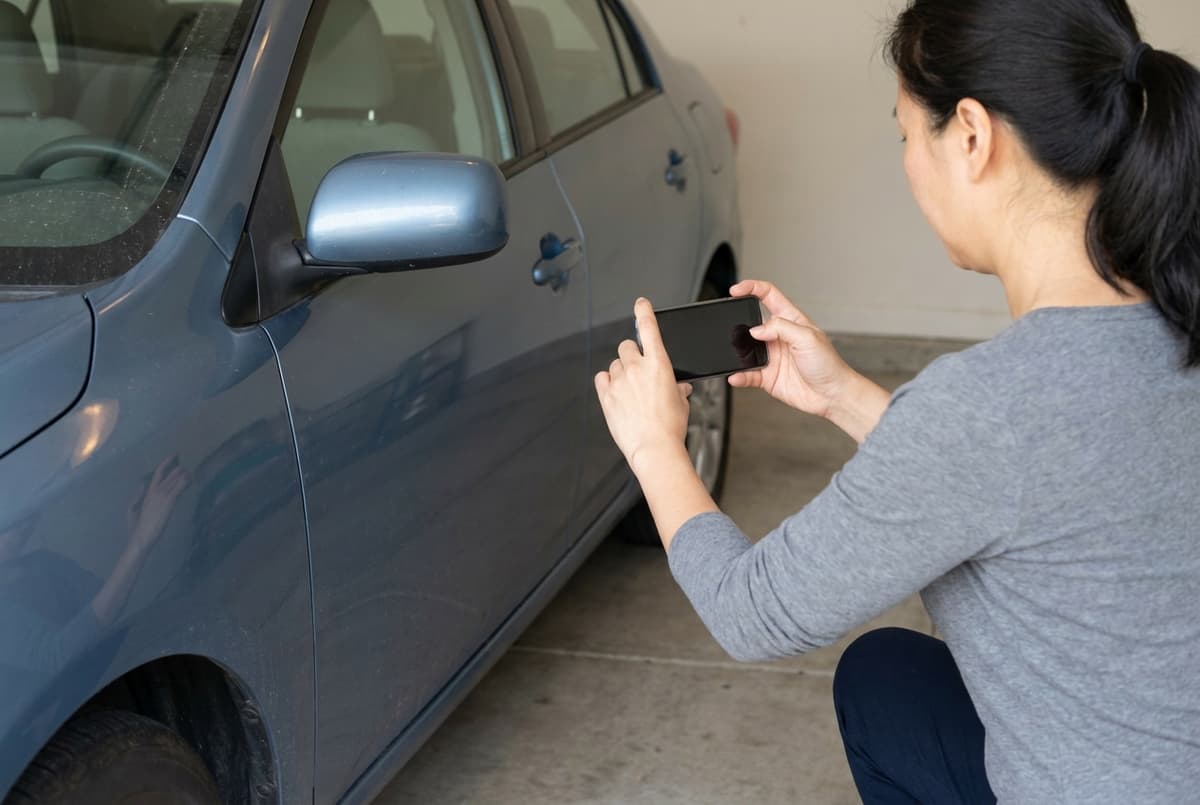
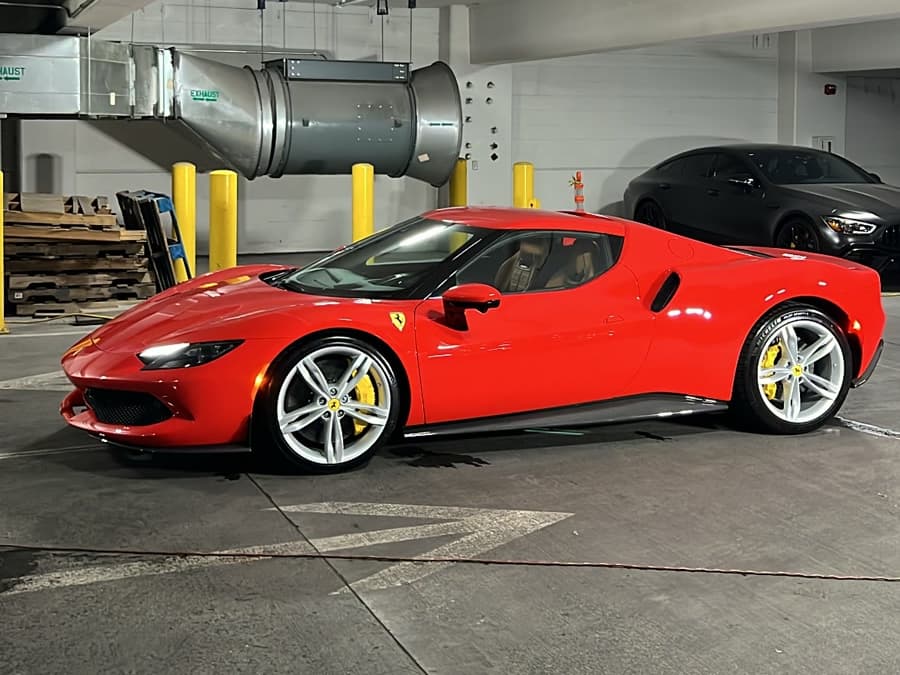
Pick a detailer who can explain how their plan fits your car’s actual finish, materials and condition, and who’s upfront about evidence, limits and communication. A lot full of expensive cars, a premium package name or a great star rating is a reason to ask questions, not an answer to them.
A short conversation can show you a lot: whether they understand your priorities, know what still needs checking and will agree on the work before they start.

Start with the car, not the badge
Tell them the model and year, what you want improved and what you know about past work. Mention any repainting, film, wraps, coatings, repaired trim or a surface you’re worried about. Share installer or care records if you have them. And if you don’t know whether a finish is factory paint or something added later, say so.
Then ask: “What do you need to confirm about this surface before choosing how to care for it?”
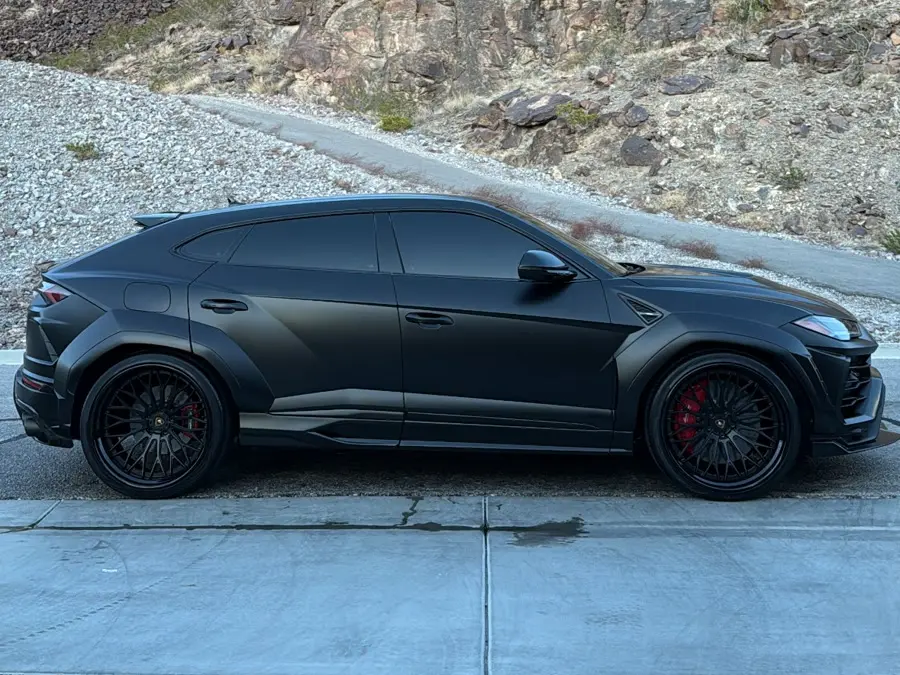
Manufacturer guidance shows why that answer matters. A Hyundai owner’s manual, for example, gives matte-finish precautions separately from its general washing and waxing instructions.
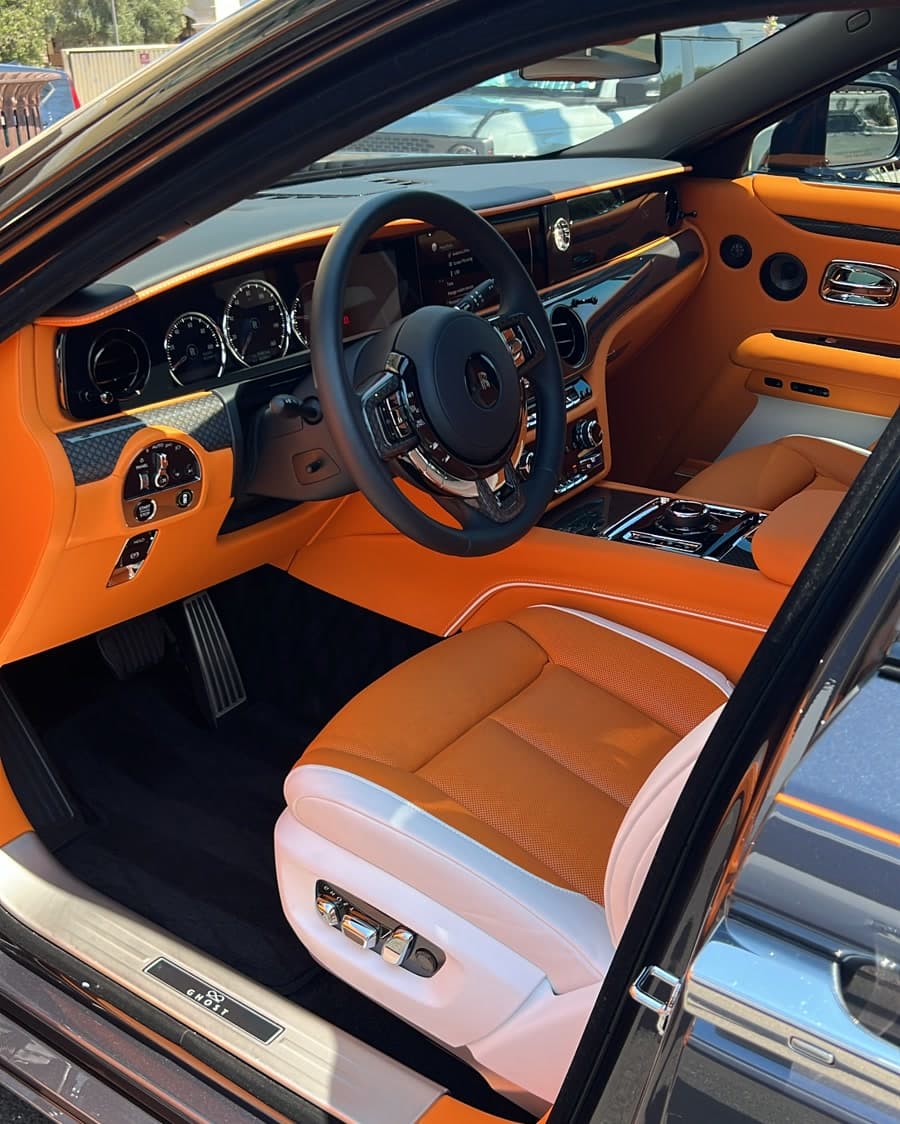
The cabin deserves the same attention. Tesla’s interior guidance gives different precautions for parts like screens, lighting and upholstery, and Alcantara’s own care guidance warns against putting steam directly on its material. So a detailer who explains what suits each surface is more useful than one who promises the most intensive treatment everywhere. (And a suede-like look doesn’t mean it’s Alcantara.)
It’s also fine to ask for plain maintenance. Owning a luxury car doesn’t mean you automatically need correction or a bigger package.
Listen for an explanation you can follow
Ask how they chose the products and methods for the surfaces you’ve discussed. Then ask how they keep tools matched to the right areas, and what happens if a towel or tool gets contaminated mid-job. You’re listening for an explanation that makes sense, not a certain number of buckets or a list of brand names.
A few hypothetical exchanges:
Scroll to see all columns.
| What you might hear | A good follow-up |
|---|---|
| “Our products work on everything.” | “Which instructions say they’re OK for my finish and interior materials?” |
| “We need the film or coating record before choosing that treatment.” | Share the record if you have it. If it’s still unknown, agree to clarify or pause that treatment. |
| “We keep tools assigned to different areas.” | “How do you store them, and what do you do if one gets dirty mid-job?” |
| “We can improve the appearance, but some marks may remain.” | “Which concerns need a closer look, and what result can we reasonably agree on?” |
A detailer who asks for missing information may be giving you a careful answer. On the flip side, an equipment demo doesn’t tell you whether that equipment is right for your car. If a concern isn’t resolved, narrow the work you approve or wait until it’s cleared up.
Clarify the surface before the work
Share what you know
Finish, materials, prior work, product and installer records.
Check the care instructions
Use the vehicle manual and applicable product instructions.
If the care is clear
Agree on the work and its limits before authorizing it.
If it is still unclear
Supply missing records, narrow the work or pause the uncertain treatment.
Agree on how condition and results will be handled
Before you hand over the keys, ask how existing marks, sensitive areas and known past work will be recorded and reviewed with you. A walk-around together and some good photos help everyone point to the same thing.
Also ask what happens if the detailer finds a problem after starting. Who contacts you, and what extra work needs your OK?
Ask what might remain when they’re done. ZNT’s published terms set out limits on stain, odor and contaminant removal, and say paint correction can’t fix every imperfection. If you’re wondering what polishing might actually improve, see our guide to swirls, scratches and paint damage.
Finally, agree on how you’ll review the finished work against what you asked for, and who to contact if something isn’t right.
Look for relevant proof in portfolios and reviews
A good portfolio example comes with an explanation. Ask what work was actually done, who did it, what condition or material was involved and what limitations remained. An example that matches your goal tells you more than one more photo of a rare car. For a before-and-after, ask whether it’s the same car and the same area, and how the lighting and setup differ.
Ask what a portfolio example shows
With reviews, look past the overall score. Read what people say about the kind of work you want, how the appointment was communicated and how problems were handled. Check more than one site; the FTC’s consumer tips on online reviews suggest looking for credible opinions across different websites.
If a provider mentions a qualification, ask for its exact name, who issued it, who holds it and how you can check it’s current. Then ask who’ll actually work on your car and how that qualification applies to them.
Check the Las Vegas appointment, not just the pitch
Ask the provider to look at the actual spot you have in mind and explain what could change the plan. Are you allowed to have the work done there? What access, utilities and working conditions does it need? And what will they do if conditions don’t suit the care instructions?
For a mobile ZNT appointment, ZNT’s terms call for safe, authorized access and enough space. ZNT brings its own spot-free water, power and equipment and does not use your water or electricity. Confirm that your spot can accommodate the work. Our guide to mobile detailing versus a shop goes deeper on choosing the setting.
Confirm an arrival window, a contact person and how they’ll tell you about a delay or change of plan. Ask for current insurance information and a contact who can confirm it applies to your vehicle, the proposed work and the location.
Turn the answers into a decision
Before you approve any work, you should be able to sum up six things: the surfaces and history that matter, the proposed care, the evidence behind any claims you care about, the expected result and its limits, any records still needed, and the appointment details.
Six things to make clear
Go ahead when the scope, your questions and the practical arrangements are clear enough for you to make an informed choice. If you’re still unsure whether some part of the care is suitable, pause that part and get clarification or another provider’s opinion.
Once you’ve found a good fit, our guide to comparing mobile detailing quotes helps you compare written scopes for the same goal.
To talk with ZNT about its published detailing services, send your vehicle details, any known finish or protection history, the result you want and where the car will be. Contact ZNT to find out what information and assessment your car needs.