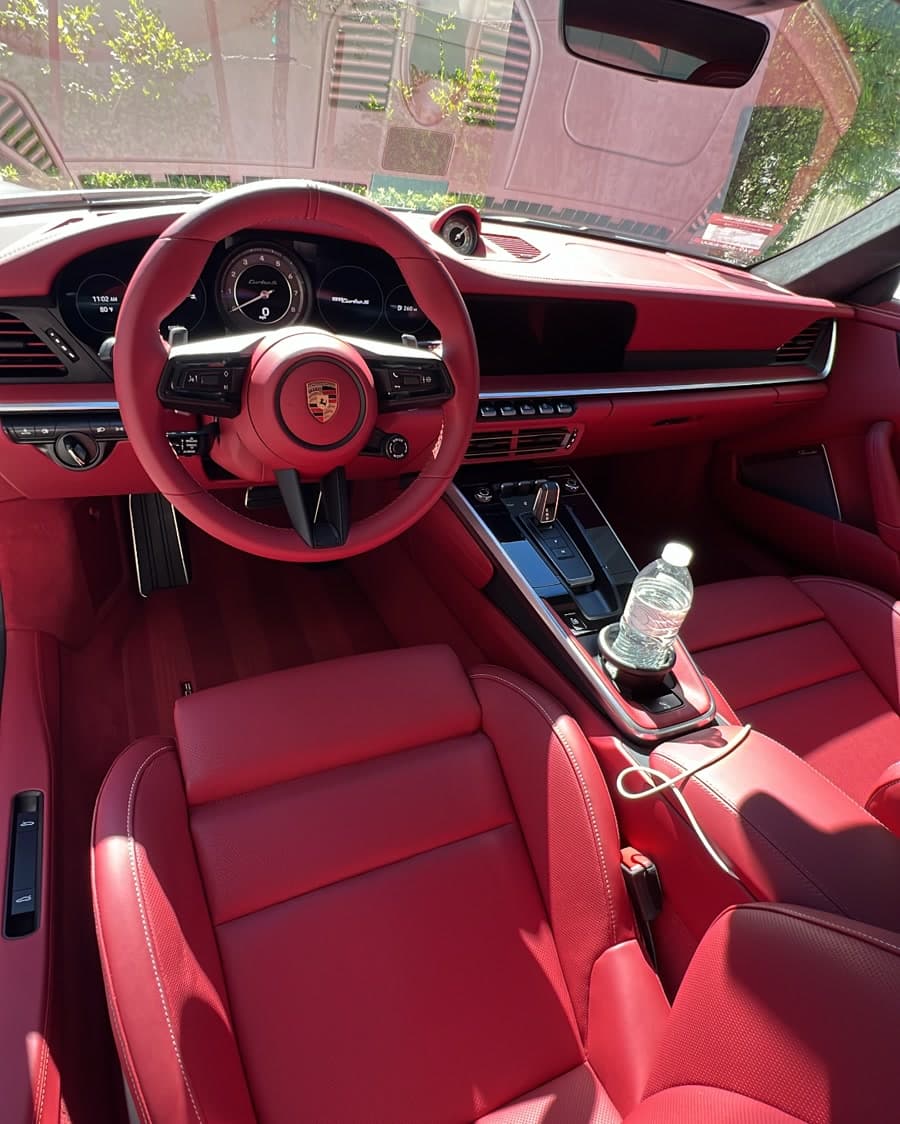
Before you book polishing or a fresh coating for your new-to-you car, work out what it actually needs, what’s already been done and what you don’t know yet. Bring whatever care history you have, find out what the surfaces are and agree on the work before anyone starts. If the car is already clean and you’re happy with it, your first step might simply be noting its condition and keeping up sensible care.
Think of it as the starting record for your ownership. A missing coating receipt doesn’t mean the car is unprotected, and an expensive badge doesn’t tell anyone how its seats should be cleaned.
Get mechanical questions checked separately
Keep cosmetic concerns apart from any mechanical, collision or safety questions you still have. The FTC’s used-car buying guidance treats an independent mechanical inspection and a safety inspection as different things, and notes that a vehicle-history report is no substitute for an independent inspection. The detailing conversation can then stick to what you can see, what’s safe for the surfaces and how you’d like the car to look.
Gather what you know (and what you don’t)
You don’t need to reconstruct every wash the car has ever had. A short history note is more useful. Collect what you can on:
- The owner’s manual for your car and its interior specification, including any replacement upholstery or trim you know about.
- Repainted or repaired areas, plus any care instructions that came with that work.
- Coatings, protective film or window tint: product name, covered areas, install date and instructions, if you have them.
- Recent cleaning or polishing, and what problem was still there afterward.
Keep what you have on paper separate from what the seller told you. “Seller says it’s coated; product and date unknown” is a useful note. “Ceramic coated throughout” hides the very uncertainty the next detailer needs to know about.
Ask which work can be chosen now and which treatment needs more information first; a gap in one area doesn’t have to hold up sensible work elsewhere.
What you know, and how you know it
For each area, record the material, product or past work, where the information came from and its date. Then distinguish how certain it is.
Let the actual materials decide the care
“Luxury interior” covers a lot of different surfaces. The useful question isn’t whether a package sounds thorough; it’s what’s actually installed in your car and which instructions apply to it. Two examples:
- Tesla’s current US Model 3 cleaning manual discourages conditioners and protectants for the vegan-leather and textile seats it covers.
- For genuine Alcantara, the material maker’s cleaning guide recommends gentle routine care and warns against vigorous rubbing and steam machines. Looking like suede doesn’t make a surface Alcantara.
Ask how the proposed care handles your actual seats, screens, trim and existing treatments. Don’t approve one conditioner, cleaner or deep-clean method for the whole cabin just because the materials look alike, and if nobody’s sure what a surface is, hold off on treating it.
Make a quick condition record
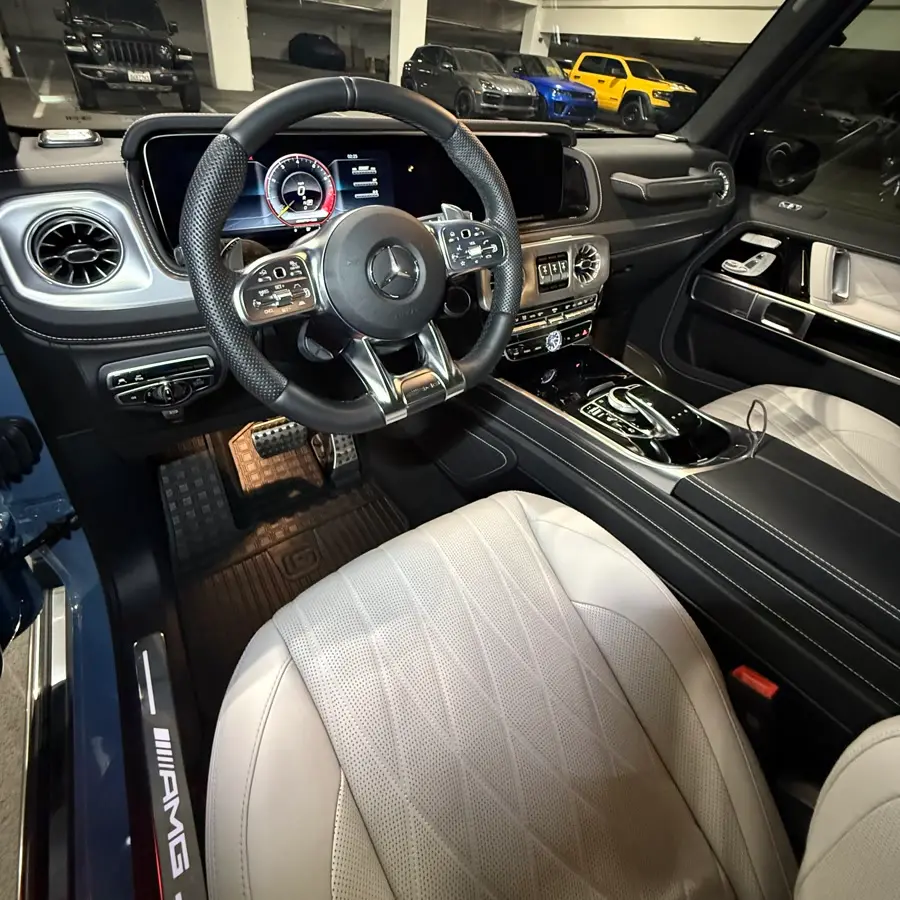
Before you agree to any work, photograph each concern twice: once in context, then up close. The wide shot shows where it is; the close-up shows what you want looked at.
Scroll to see all columns.
| Area | What to note | What to ask |
|---|---|---|
| Paint and exterior trim | Where a visible mark, dull patch or known repair is | Is cleaning likely to help, or does this need a different kind of assessment? |
| Cabin | Where a mark, worn-looking spot or recurring smell is, and anything already tried | What can realistically improve, and what might stay or need another kind of service? |
| Existing treatments | Any product records, covered areas, and visible edges or concerns | What should the new work protect, and what needs identifying first? |
Describe things plainly. “Mark on the passenger seat” is a better start than declaring it dye damage from a photo.
Decide what still needs work
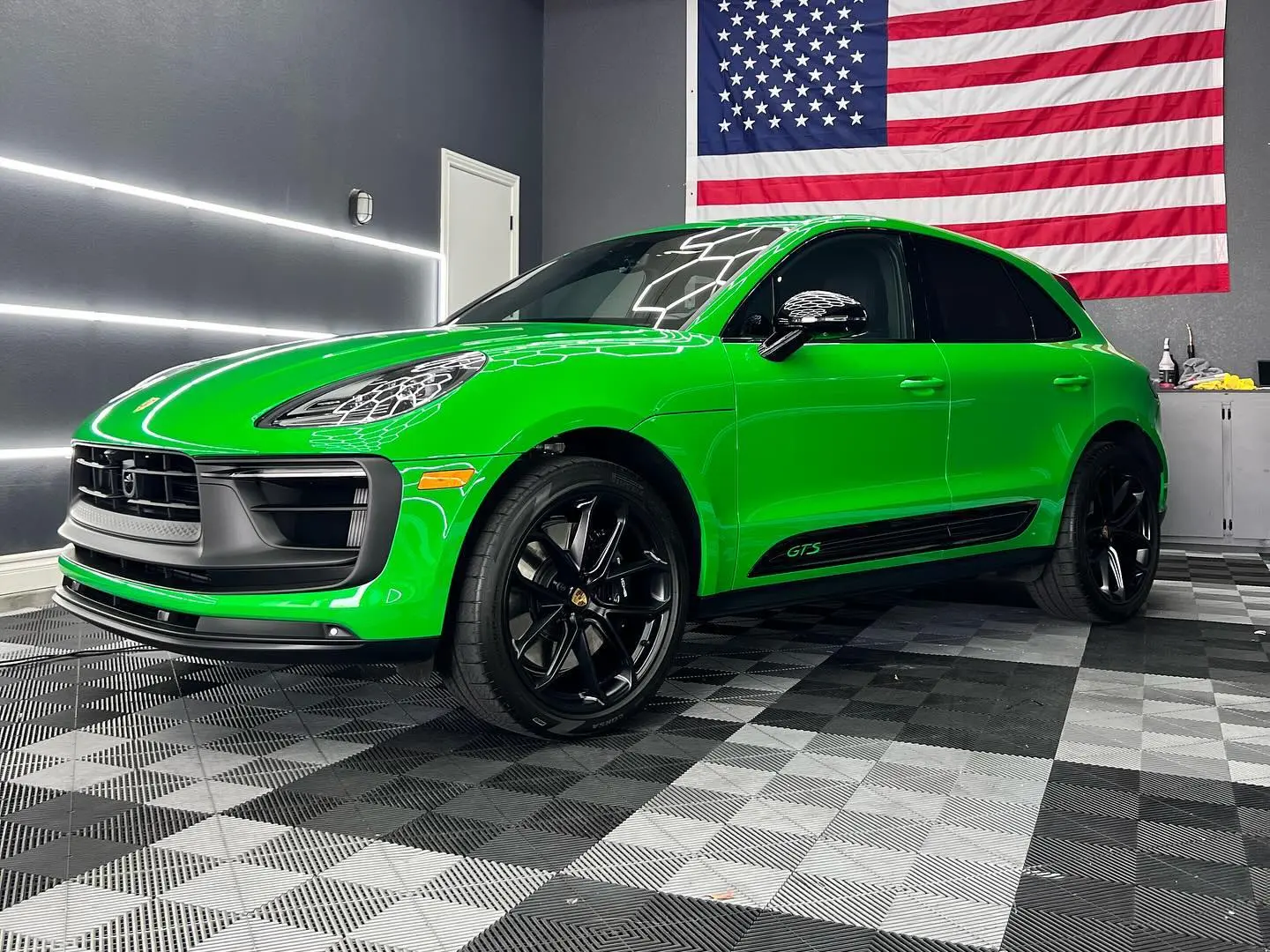
What makes sense on the first visit depends on what you find:
- It already looks right: note its condition and the care instructions that apply.
- A problem is still there after a recent cleaning: have that specific issue assessed before paying for the same service again.
- It needs cleaning and you know what’s safe for the surfaces: agree on the cleaning and what it can’t fix, then take another look afterward.
- You’re unsure about a treatment: hold off on that one until the surface or existing product is identified. Other areas may still be fine to work on.
Once the car has been assessed or cleaned, decide whether that’s enough. If you want more, ask which marks can reasonably be improved and which are better left alone. Gtechniq’s paint-correction guidance warns that overdoing correction can compromise the clear coat, so it pays to set limits rather than chase some target percentage of defect removal.
A coating is a separate decision. The preparation and layering Gtechniq describes for its EXO and Crystal Serum Light system show why knowing the exact product matters. Gtechniq also points out in its coating comparison that a coating isn’t stone-chip or impact protection.
If you’re weighing a coating, read our guide to whether ceramic coating is worth it for a garaged or outdoor-parked car.
Pick the route that fits
Start with the car’s present condition and what you know. Extra cleaning is not a prerequisite.
Already looks right
Note the condition and care instructions. Keep up normal care; no extra cleaning is needed.
A problem remains after recent cleaning
Have that problem assessed before paying for the same service again.
Needs cleaning, with known surfaces
Agree on the cleaning and its limits, then take another look afterward.
A surface or product is uncertain
Hold off on that treatment and identify it first. Other areas may still go ahead.
After assessment or cleaning
If you are happy with the result, keep up normal care. Discuss any additional work before proceeding.
Plan around how you’ll use it in Las Vegas
The National Weather Service’s Las Vegas climate summary describes hot, sunny summers and spells of wind-blown dust, so where you’ll park and how you’ll realistically keep the car clean are worth thinking about now.
Tell your detailer whether the car will mostly be garaged or parked outside, and how you plan to look after it. Ask for care instructions that match its actual materials and treatments. Then keep a simple record of what you learned, work done or turned down, product names and areas when known, open questions and the instructions that apply. That’s what you take into the next visit. For access and scheduling, see our guide to preparing for a mobile detailing appointment.
Your care record going forward
Identify the vehicle and date, then note what you learned and what remains open.
Ask ZNT for a sensible first visit
ZNT’s website lists interior and exterior detailing, paint correction and ceramic coating. Rather than assume there’s a special used-car package, ask which of those services fits your car.
When you contact ZNT, something like this works:
I recently bought a [year/model]. My main concerns are [specific concerns]. I have [care records], but [history/material/treatment] is unknown. It will usually be parked [garage/outside]. Can you help me plan a sensible first visit, what should be checked before any treatment, and what can be left as it is? I’d like to talk through any correction or protection before approving it.